










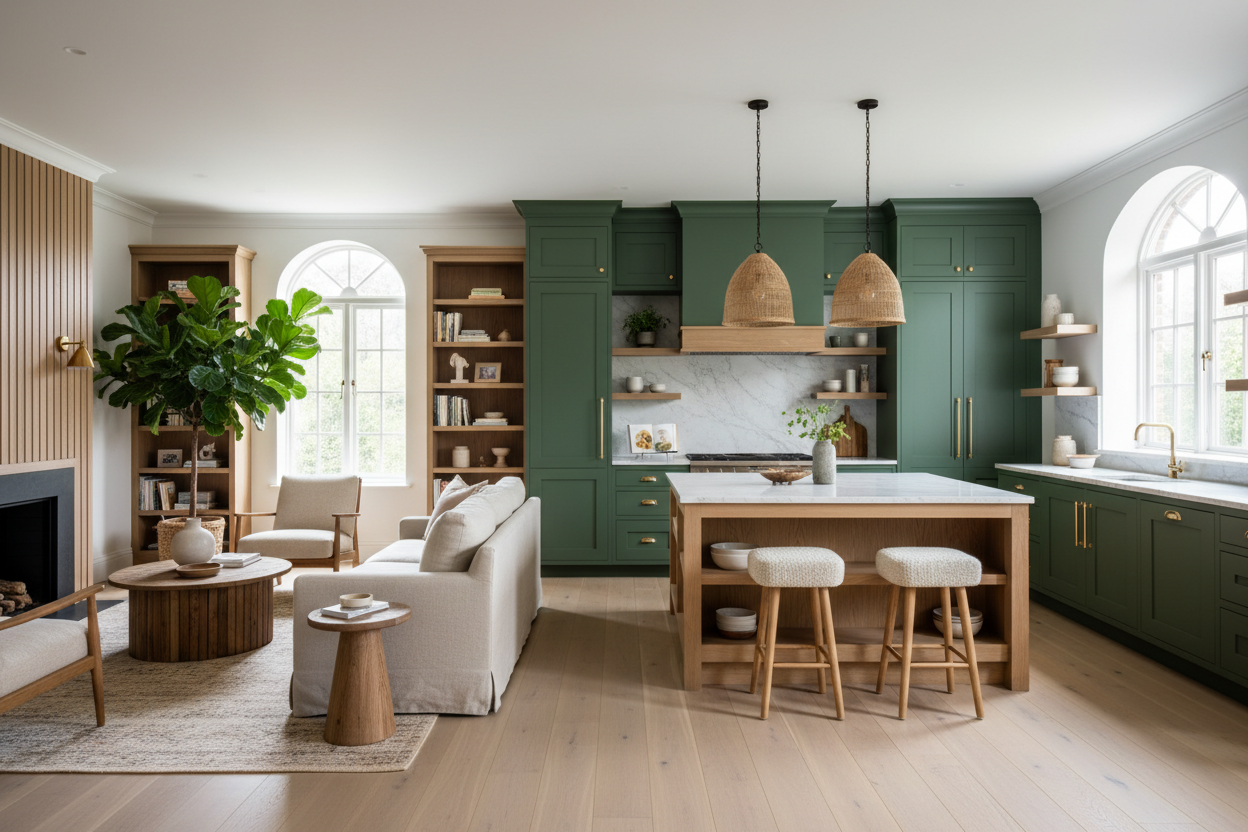
I remember walking into a client's kitchen last year—they'd just moved into a 1950s ranch and were staring at those flat, builder-grade cabinets. 'It feels sterile,' she said. 'Like a hotel.' That's the exact moment we started talking about kitchen cabinets furniture. It's not just storage; it's about pieces that have presence, that tell a story the moment you walk in.
Quick Takeaways
- Furniture-style cabinets sit on legs, often with detailed toe kicks, giving them a standalone feel unlike built-ins.
- Look for solid wood frames (like maple or oak) with mortise-and-tenon joinery—they'll last decades in a busy kitchen.
- Maintain 42 inches of clearance between an island with furniture cabinets and other counters for comfortable movement.
- Use a satin or matte finish on wood; high-gloss shows every fingerprint and requires constant wiping.
- Balance one statement furniture piece (like a 60-inch pantry cabinet) with simpler surrounding cabinetry to avoid visual overload.
Why Furniture-Style Cabinets Feel Different From Standard Built-Ins
Standard cabinets are installed flush to the floor and walls—they become part of the architecture. Furniture-style cabinets stand apart. Literally. They have legs, often with a 4- to 6-inch toe kick recess, creating a shadow line that makes them look like they could be moved (even though they're typically secured). This gives them weight and individuality. Emotionally, they feel inherited rather than installed. Aesthetically, the craftsmanship is more visible: raised panel doors, applied moldings, and substantial hardware all contribute to a piece that commands attention. Where built-ins blend, furniture cabinets integrate while maintaining their own identity—think of a beautiful 84-inch sideboard in your dining room, but designed for pots and pans.
The 4 Key Elements That Make Cabinets Feel Like Furniture
First, legs. Bun feet, tapered legs, or simple block feet elevate the cabinet off the floor. This isn't just visual; it makes cleaning underneath easier. Second, the toe kick. Instead of a flat board, furniture cabinets use a recessed kick—sometimes with detailed molding—that's set back 3 to 4 inches. Third, panel details. Frame-and-panel construction, where the center panel floats inside a solid wood frame, shows craftsmanship. Beadboard or fluted details add texture. Finally, hardware. Substantial pulls or knobs, often in a contrasting finish like oil-rubbed bronze on white oak, act like jewelry. For display-oriented pieces, like a hutch for your good china, consider glass-front doors. China Cabinets Furniture How To Choose offers great advice on balancing display and storage in these statement pieces.
Material Choices: What Actually Lasts in a Busy Kitchen
In my 200+ projects, I've seen what holds up. For frames, kiln-dried hardwoods like maple, cherry, or quarter-sawn oak resist warping. Avoid softer woods like pine for base cabinets—they dent. For doors, solid wood is ideal, but high-quality plywood with a real wood veneer (at least 1/16-inch thick) can be more stable in humid kitchens. Finishes matter: conversion varnish or catalyzed lacquer are tougher than polyurethane for a busy household. They resist heat, moisture, and cleaning chemicals better. For a family with young kids, I often recommend a medium-tone stain or painted finish in a satin sheen—it hides smudges better than dark stains or high-gloss paints.
Solid Wood vs. Engineered: The Durability Debate
Solid wood furniture cabinets are beautiful and can be refinished multiple times. A solid maple frame with dovetail drawer boxes might last 50 years. But solid wood moves with humidity changes—you might see seasonal gaps. Engineered options (like plywood or MDF cores with wood veneers) are more dimensionally stable. They won't warp as easily near the dishwasher. The trade-off: you can't sand and refinish them as deeply. For most clients, I recommend a hybrid: solid wood frames and doors for the visual pieces (like the island), and engineered boxes for perimeter cabinets that get less scrutiny but need stability.
How to Integrate Furniture Cabinets Without Overwhelming Your Space
Start with one anchor piece. In a 10x12 kitchen, a 48-inch wide furniture-style base cabinet as the island makes a statement without crowding. Keep surrounding cabinets simpler—shaker-style doors in the same finish create cohesion. Maintain clear walkways: 36 inches minimum between cabinets, 42 inches if multiple people cook. Use furniture cabinets for specific functions: a baking center with flour bins, or a coffee station with built-in grinders. Remember, furniture pieces in a home should serve a purpose. Cat Furniture Collection is a clever example—even pet furniture integrates function with design, much like a well-planned kitchen cabinet.
Maintenance Realities: What Designers Actually Know About Upkeep
Clients often worry that beautiful means high-maintenance. Not necessarily. For wood cabinets, dust weekly with a microfiber cloth. Clean spills immediately with a damp cloth—don't let water sit on seams. Every few months, use a wood cleaner specifically formulated for your finish type. Avoid abrasive pads or harsh chemicals. The biggest tip: choose a finish that matches your lifestyle. A distressed or medium-tone finish will show less wear than a dark, glossy one. For hardware, tighten screws annually as they can loosen with frequent use.
Personal Experience
In my own kitchen, I installed furniture-style cabinets with bun feet about eight years ago. The upside: they still feel special every day—guests always comment on them. The downside: the recessed toe kicks do collect crumbs and dust more than flush kicks. I use a slim vacuum attachment weekly. Also, the legs made installing the dishwasher slightly trickier, requiring a custom panel. Was it worth it? Absolutely. The character they add outweighs the minor cleaning hassle.
FAQ
Can I add furniture-style elements to my existing cabinets? Yes, to some extent. You can replace toe kicks with recessed panels, add legs (if cabinets are freestanding), and upgrade hardware. Full transformation usually requires new cabinet boxes.
Are furniture-style cabinets more expensive? Typically, yes—by about 15-30%. The craftsmanship in details like raised panels and custom legs adds cost. But they often increase home value proportionally.
Do they work in modern kitchens? Absolutely. Choose sleek, tapered legs, flat-panel doors in a light wood like ash, and minimalist hardware for a contemporary furniture feel.
How do I protect the finish near the stove? Install a proper backsplash that extends at least 6 inches above the counter. Use a range hood that vents outside to minimize grease and moisture exposure.


Leave a comment
This site is protected by hCaptcha and the hCaptcha Privacy Policy and Terms of Service apply.