










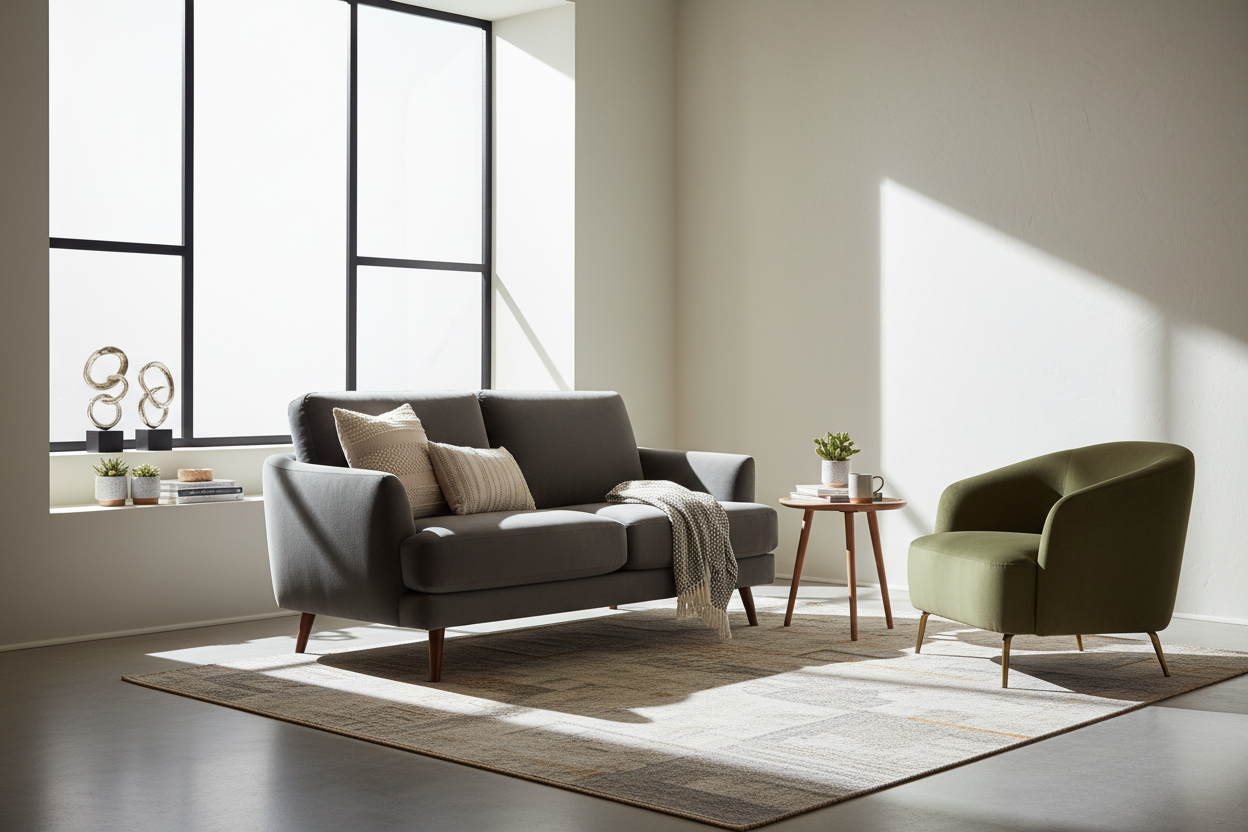
In the world of interior design, few pieces are as versatile yet misunderstood as the humble two-seater. Often bridging the gap between a solitary armchair and a sprawling sectional, love sofas offer a unique solution for spatial dilemmas. Whether you are furnishing a compact urban apartment or creating a secondary conversation zone in a grand living room, the challenge lies not just in finding a piece that fits, but in finding one that anchors the room without overwhelming it.
Quick Decision Guide: Key Features to Look For
If you are browsing showrooms or online catalogs right now, keep these critical specifications in mind to ensure you make a lasting investment:
- Suspension System: Look for "8-way hand-tied" springs for luxury longevity, or heavy-gauge sinuous springs for a durable mid-range option. Avoid pure webbing or mesh.
- Frame Construction: Kiln-dried hardwood (like oak or maple) prevents warping. Avoid particleboard or stapled plywood frames.
- Seat Depth: Standard depth is 21-24 inches. If you prefer curling up, look for 25+ inches; for upright sitting, stick to 20-22 inches.
- Martindale Rub Count: For family homes, ensure the fabric has a rub count of at least 25,000 to resist abrasion.
Mastering Scale and Proportion
The most common error homeowners make is misjudging the visual weight of the furniture. A love sofa might physically fit into a niche, but if the silhouette is too bulky, it will make the room feel claustrophobic. For tighter spaces, I always recommend looking for legs that are exposed. Being able to see the floor beneath the sofa creates an illusion of more space, maintaining the room's "breathability."
The Ergonomics of Intimacy
While the name implies closeness, comfort is subjective. If two adults will be using this daily, pay close attention to the interior seating width—excluding the arms. A standard love sofa ranges from 52 to 71 inches. If you want to be able to say "I love my sofa" six months from now, ensure you have at least 24 inches of seating width per person. Anything less often results in awkward shoulder rubbing that feels cramped rather than cozy.
Selecting the Right Upholstery
Your fabric choice dictates the mood. Velvet introduces immediate glamour and softens the acoustics of a room, but it requires maintenance. Linen offers a relaxed, organic texture that breathes well, though it is prone to wrinkling.
As designers, we love sofas upholstered in high-performance blends (like Crypton or solution-dyed acrylics) for high-traffic areas. These modern textiles mimic the hand-feel of natural fibers but repel stains and resist fading. It allows you to have that pale cream aesthetic without the anxiety of ruining it with a spilled espresso.
Visual Balance and Placement
Don't just push the piece against a wall. Love sofas are excellent for "floating" in a room to define zones. Placing one at the foot of a king-sized bed creates a high-end hotel suite vibe. In an open-plan living area, use two facing each other perpendicular to a fireplace. This creates a dedicated conversation pit that feels intentional and sophisticated.
Lessons from My Own Projects: The "Diagonal Depth" Trap
I want to share a specific headache from a project I managed in a pre-war apartment building, so you don't make the same mistake. I once specified a stunning, deep-seated Italian leather love sofa. We measured the hallway width and the door height, and everything looked fine on paper.
However, we failed to account for the diagonal depth of the sofa—the measurement from the top back corner to the bottom front leg. Because the legs were integrated into the frame (not screw-off), the piece physically could not pivot into the living room doorway. We ended up having to hire a furniture medic to partially dismantle the arm on-site and re-upholster it.
Now, when a client tells me "I love sofa shopping," I remind them that the delivery logistics are just as important as the aesthetic. Always check if the legs are removable and measure the diagonal clearance of your tightest entryway.
Conclusion
Selecting the right seating is a balance of engineering and art. By focusing on solid joinery, appropriate scale, and performance fabrics, you elevate your home from a mere dwelling to a curated space. Take your time, measure twice, and invest in quality that sustains your comfort for years to come.
Frequently Asked Questions
What is the standard length of a love sofa?
While sizes vary by style, most love sofas range between 52 and 71 inches in length. "Apartment sofas" usually sit at the upper end of this range, while true loveseats are more compact.
Can I mix a love sofa with a full-sized couch?
Absolutely. In fact, this is a classic design layout. To maintain visual interest, try matching the frame style but varying the upholstery fabric—perhaps a solid color for the large sofa and a subtle texture or pattern for the love sofa.
How do I fix sagging cushions on my love sofa?
If the cushions have zippers, you can replace the internal foam core with high-density foam wrapped in Dacron batting. If the suspension itself is sagging (the springs), professional repair or restringing is usually required.


Leave a comment
This site is protected by hCaptcha and the hCaptcha Privacy Policy and Terms of Service apply.