










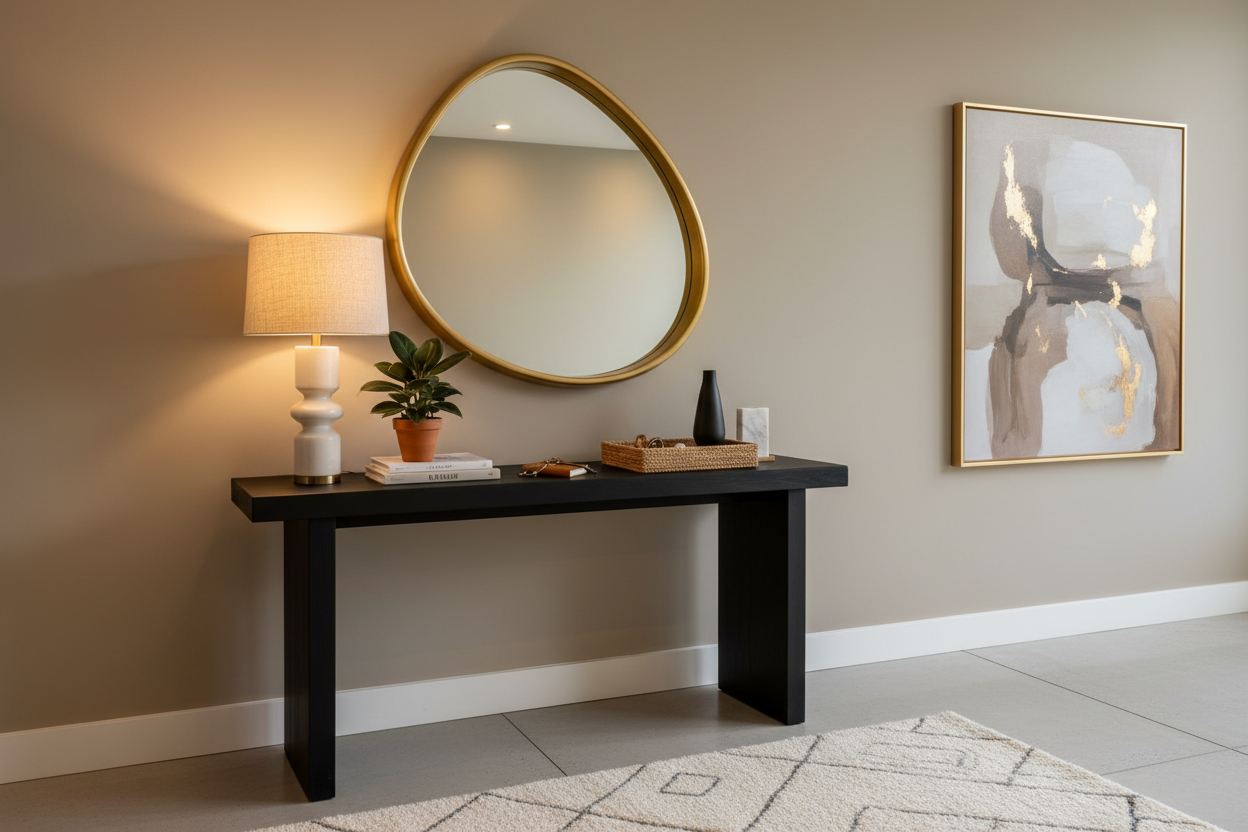
Walking through your front door should feel like a breath of fresh air, not a collision course with clutter. For many of us living in apartments or older homes, the foyer is often an afterthought or, worse, non-existent. You might be working with a narrow corridor or just a patch of wall behind the door. This is where the right small entryway table becomes not just furniture, but a sanity saver. It anchors the space, provides a critical landing strip for your daily carry, and sets the tone for the rest of your home.
Finding the perfect piece requires balancing dimensions with function. A small table for entryway setups doesn't need to be grand to be effective. In fact, a small entrance table often looks more sophisticated when it is scaled correctly to the room, rather than a bulky piece forcing its way into a tight squeeze. whether you call it a small entrance way table or a small entry way table, the goal remains the same: creating a functional pause point without blocking traffic.
Defining the Drop Zone
The primary job of any entrance table small or large is to catch the things you shed the moment you walk in. If you don't have a designated spot, keys end up on the kitchen counter and mail piles up on the dining table. A small entry table for keys acts as a dedicated boundary. By placing a ceramic bowl or a tray on a small key table, you train yourself to drop essentials in the same place every time.
For those who still receive physical bills and letters, a small mail table is indispensable. You don't need a massive surface area; a small table for keys and mail only requires enough depth for a standard envelope and a set of car keys. If horizontal space is at an absolute premium, look for a small entry stand with vertical tiers. This allows you to separate outgoing mail from incoming junk without eating up floor space.
Choosing the Right Shape for Your Layout
Space planning is critical when selecting a console table for small entryway areas. Rectangular consoles are the standard, but they aren't always the best fit. If you have a weird nook or a corner that stays empty, a small square entryway table might utilize that dead space better than a long, narrow table could. These are particularly useful as a small accent table for entryway corners where the door swing might hit a longer piece.
For the classic narrow hall, a small console table for foyer use should be shallow—typically 10 to 12 inches deep. A small entry table console with a demilune (half-moon) shape is excellent for high-traffic zones because the rounded edges prevent painful hip-checks when you're rushing out the door. A small entry console table with open legs can also make a tiny entryway table feel less heavy, keeping the visual line of the floor unbroken which tricks the eye into seeing more space.
Storage vs. Minimalism
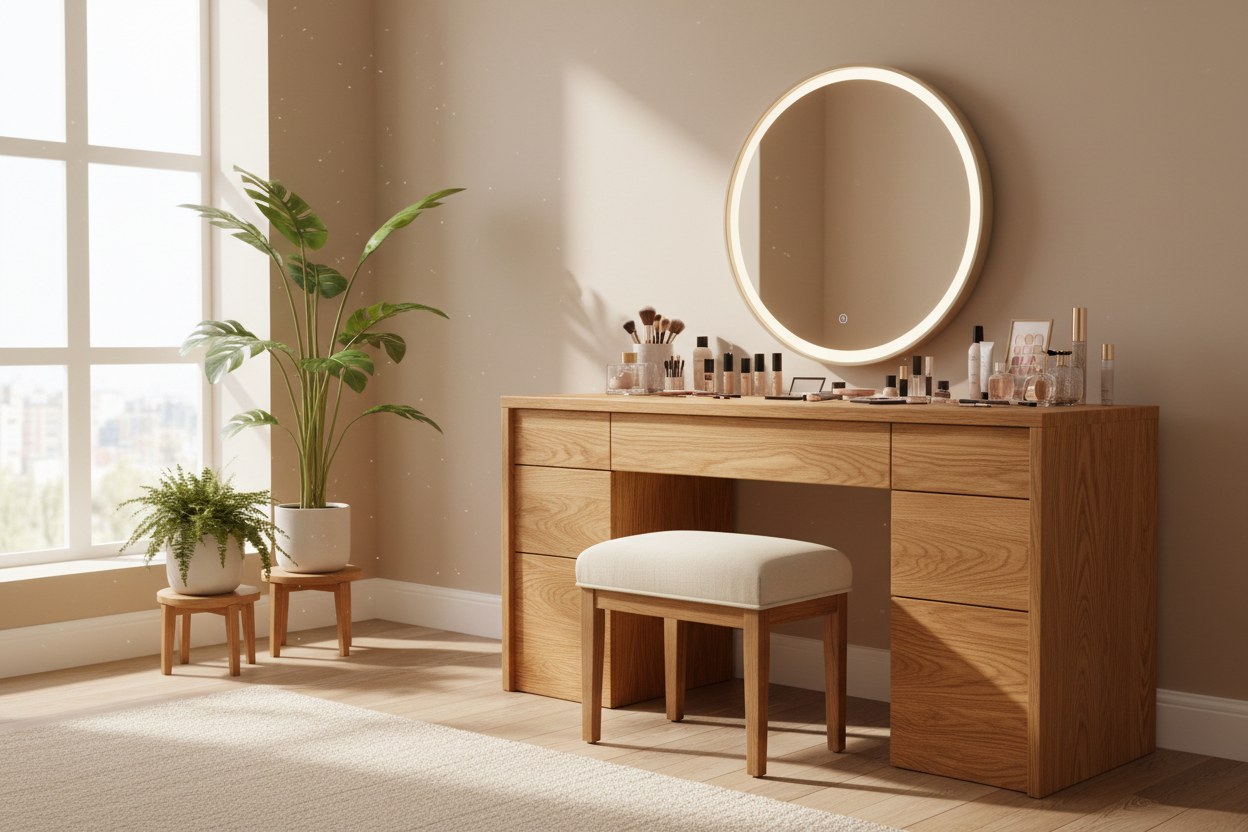
Minimalism is great, but sometimes you need to hide the dog leash. A small entryway table with storage is the answer for keeping visual clutter down. Drawers are your best friend here. A small entry way table with storage allows you to tuck away sunglasses, wallets, and loose change. If you need a workspace that doubles as a foyer piece, a small entryway desk can serve two masters. During the day, it’s a laptop station; at night, it’s a styled small foyer table.
For homes with zero floor space, a small table for foyer setups might actually be a floating shelf. This acts as a very small entryway table, providing a surface without a footprint. It’s a favorite trick for a small front door table situation where the door opens directly against a wall.
A Lesson from a Narrow Hallway
I once lived in a row house where the "foyer" was essentially a three-foot-wide tunnel. I tried to force a standard cabinet into the space, and it was a disaster. I was constantly bumping into it, and it made the entrance feel claustrophobic. I eventually swapped it for a mini entryway table—specifically a small doorway table that was only eight inches deep. It was barely wider than a book.
The transformation was immediate. I styled this small hallway entry table with a tall, slender mirror above it and a single tiny lamp. Suddenly, that dark tunnel felt like a deliberate room. It taught me that a small front entryway table doesn't need to hold much to be effective; it just needs to hold the essentials. That little entryway table completely changed how I felt walking into my home.
Material and Style Considerations
Because the furniture is small, the material makes a loud statement. A small wood entryway table brings warmth and texture, which is welcoming for guests. If your space is dark, opt for a light oak or a painted wood small entryway table to brighten the corner. Conversely, a glass or acrylic small entryway console can disappear into the room, which is perfect for an entry table for small spaces where you want to avoid a heavy look.
If you want to inject personality, look for unique small entryway tables. Vintage plant stands, repurposed sewing machine bases, or sculptural metal pieces can serve as a small entryway accent table. A small console for entryway styling doesn't have to be boring just because it is compact.
Solutions for the Tiniest Spaces
When you are dealing with a small space entryway table requirement, you have to get creative with height and width. A low entryway table can sit under a window or coat rack, utilizing vertical wall space for hooks while the table holds shoes or bags. Alternatively, a small door table that is tall and skinny can fit in the sliver of wall between two door frames.
The entryway table small space dilemma is often solved by looking at furniture meant for other rooms. A nightstand can function as a small entry hall table. A plant pedestal works as an entryway table for keys. Don't limit your search to just "consoles." An entryway table for small space constraints is whatever fits the measurements and holds your keys.
Ultimately, the best small space entryway table is one that clears the path. Whether you choose a small console for entryway elegance or a rugged small entry stand for utility, ensure it serves your lifestyle. Measure your clearance, account for the door swing, and choose a piece that welcomes you home.
Frequently Asked Questions
How deep should a table be for a narrow hallway?
For narrow hallways, aim for a table depth between 8 and 12 inches. Anything deeper than 12 inches can impede traffic flow and make the space feel cramped. If your hallway is extremely tight, consider a floating shelf or a semi-circle console to eliminate sharp corners.
Can I use a nightstand as an entryway table?
Yes, a nightstand is an excellent alternative for small entryways. They are typically compact, offer drawer storage for keys and mail, and fit well in tight corners. Look for taller nightstand models so you don't have to bend down too far to reach your items.
How do I style a small entry table without cluttering it?
Follow the rule of three: a lamp (or light source), a catch-all tray for keys, and one decorative object like a plant or photo frame. Utilize vertical space by hanging a mirror or art above the table to draw the eye up, keeping the surface clear for daily essentials.


Leave a comment
This site is protected by hCaptcha and the hCaptcha Privacy Policy and Terms of Service apply.