










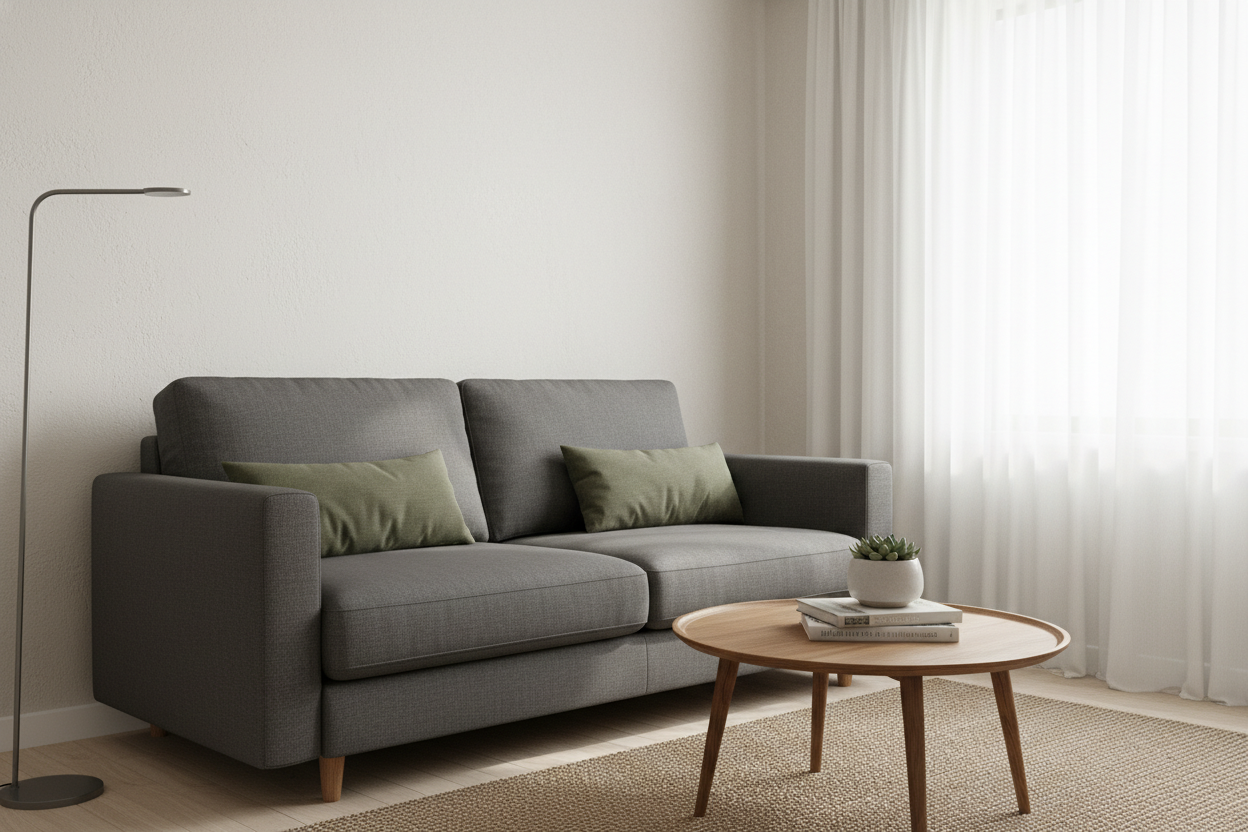
As an interior designer, I am frequently asked to work miracles with budgets that seem impossible. One of the most common requests from students, renters, and first-time homeowners is finding a stylish, durable centerpiece for their living room on a shoestring budget. The search for a **200 sofa** is fraught with potential pitfalls, but also hidden opportunities if you know exactly what to look for. It is a balancing act between aesthetic ambition and manufacturing reality.
Quick Decision Guide: What to Expect
Before you commit to a purchase in this price bracket, scan this checklist to ensure you are prioritizing the right features over mere appearance:
- Frame Construction: Look for metal frames or kiln-dried hardwood rather than particleboard, which is common in 200 couches but prone to warping.
- Upholstery Type: In this tier, polyester or microfiber blends are superior to cheap bonded leather, which will peel within a year.
- Functionality: A convertible "click-clack" mechanism often offers better value than a standard fixed-frame sofa for 200 dollars.
- Assembly: Be prepared for flat-pack delivery; check if the legs are stored inside a zippered compartment in the base (a common panic point for buyers).
Analyzing Build Quality in Budget Furniture
When we discuss a sofa for 200, we are generally looking at pieces designed for compact living or temporary setups. The silhouette is often streamlined—not just for style, but to reduce shipping costs. From a design perspective, you must understand that the suspension system will likely be webbing rather than hand-tied springs.
To ensure longevity, avoid designs with long, unsupported spans. A sofa couch 200 option with a center support leg is non-negotiable. Without it, the middle of the seat will inevitably sag, creating what we call the "hammock effect" after a few months of daily use.
Elevating the Look: Styling Hacks
The secret to making couches 200 dollars and under look like investment pieces lies in distraction and elevation. The stock legs on these sofas are often plastic or generic wood. I always advise clients to swap these out immediately for tapered mid-century wooden legs or brass feet (easily found at hardware stores). This simple hardware hack changes the visual weight of the piece instantly.
Textural Layering
Budget fabrics can sometimes look flat under harsh lighting. To counteract this, rely on aggressive layering. Drape a chunky knit throw over the arm or back to break up the visual continuity of the fabric. Replace the standard-issue scatter cushions—which are usually under-filled—with down-filled inserts and textured covers (velvet or linen) to add a tactile dimension that screams luxury.
Space Planning and Scale
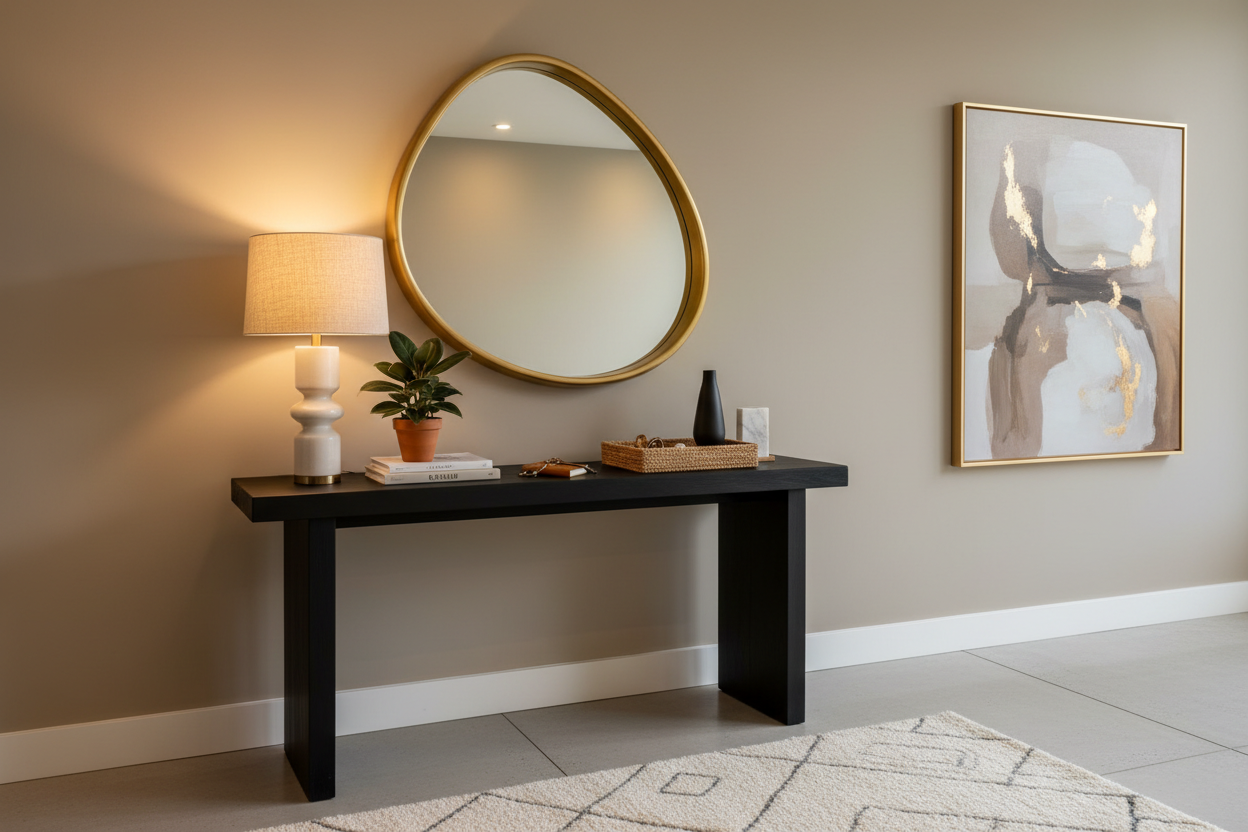
Most 200 couches are technically loveseats or apartment-sized sofas. In a large room, these can look lost. If you are placing this in an open-plan space, anchor it with a rug that is slightly larger than the sofa width to ground the furniture. If the back of the sofa is visible, place a console table behind it; this hides the often unfinished-looking back panel common in budget furniture.
Lessons from My Own Projects
I remember staging a micro-apartment in the city where the budget was virtually non-existent. We sourced a convertible futon that fit the "200 sofa" criteria perfectly. On camera, it looked sleek and modern. However, during the install, I realized something the photos didn't show: the weight distribution was incredibly light.
Every time someone sat down with force, the whole piece shifted on the hardwood floor. My fix? I bought heavy-duty rubber grip pads for the feet and actually placed a few heavy books inside the zippered storage compartment under the seat to give it more mass. Another detail was the "new furniture smell"—these synthetic materials off-gas more than natural fibers. I had to air that room out for 48 hours before the client walked in. It’s a reminder that with budget pieces, you often have to put in a little extra work to refine the user experience.
Conclusion
Buying a sofa at this price point doesn't mean you have to sacrifice your home's dignity. It requires a discerning eye for materials and a willingness to customize. By focusing on simple lines, durable synthetic fabrics, and upgrading the accessories around it, you can integrate a budget-friendly sofa into a space that feels curated and welcoming.
Frequently Asked Questions
How long can I expect a $200 sofa to last?
Realistically, with daily use, a sofa in this price range has a lifespan of 1 to 3 years before the cushioning loses significant resilience or the fabric shows wear. They are ideal for transitional phases, dorms, or guest rooms.
Are these sofas comfortable for sleeping?
Many are designed as convertibles. While they work for occasional guests, the foam density is usually firm. I highly recommend using a thick mattress topper if you plan to use it for sleeping more than one night in a row.
What is the best color to choose for a budget sofa?
Stick to darker neutrals like charcoal, navy, or slate grey. Inexpensive light fabrics (like beige or white) often lack stain resistance and can show the weave quality more clearly than darker tones.

Leave a comment
This site is protected by hCaptcha and the hCaptcha Privacy Policy and Terms of Service apply.