










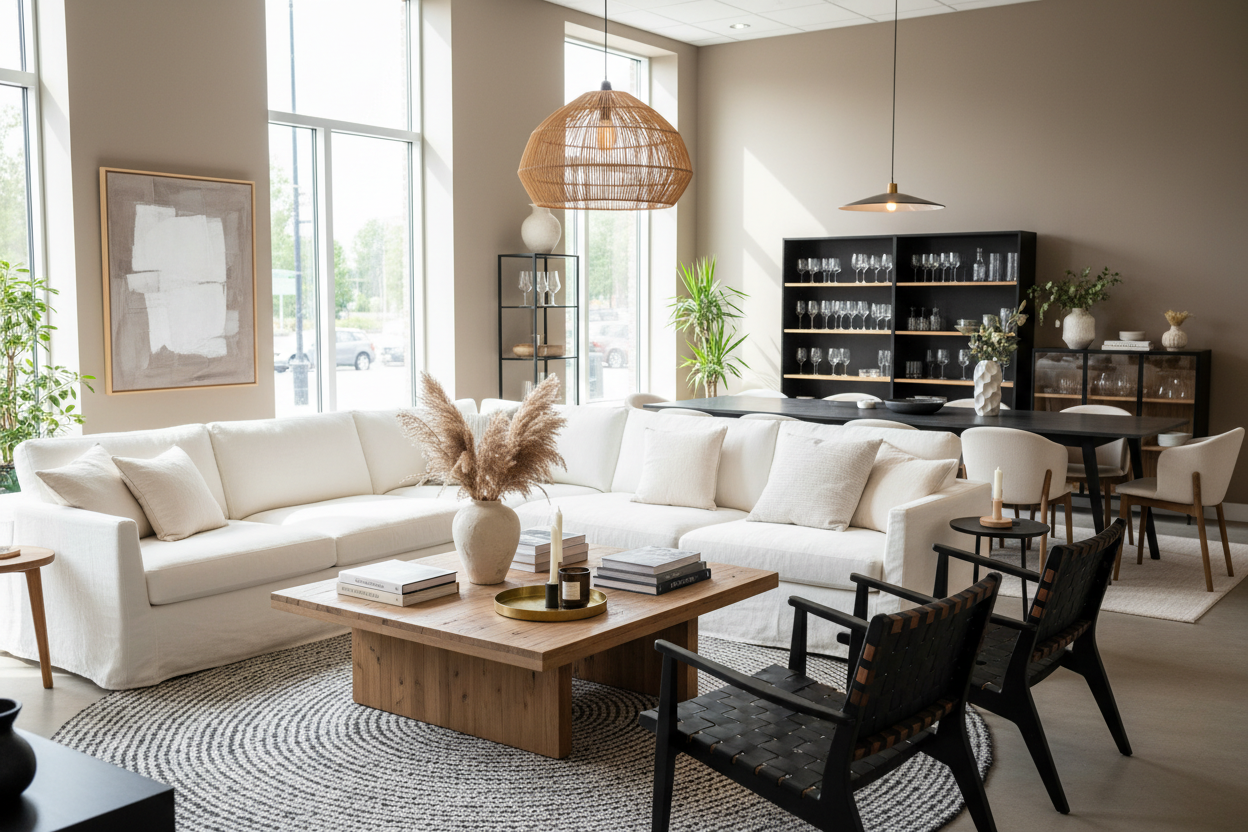
Walking into a massive furniture showroom often feels like navigating a labyrinth of endless possibilities. As an interior designer, I often see clients arrive with a phone full of screenshots, expecting their living room to instantly mimic the perfectly lit vignettes they saw online. However, translating the inspiration found in ikea home furnishings stoughton photos into a functional, cohesive reality requires a discerning eye and a strategic approach to material selection.
Key Features to Look For
Before committing to a purchase based on visual appeal alone, assess these critical factors to ensure longevity and aesthetic harmony:
- Material Composition: Distinguish between solid pine, wood veneer, and melamine foil; the aging process varies significantly between them.
- Scale and Proportions: Showroom ceilings are higher than residential ones, often making sofas and wardrobes appear smaller than they are.
- Modularity: Prioritize systems (like PAX or BESTA) that allow for future expansion or reconfiguration.
- Tactile Quality: Test drawer glides, hinge resistance, and fabric rub counts (Martindale cycles) in person.
Decoding the Showroom Vignettes
When analyzing the layout of the Stoughton showroom, it is crucial to look past the propping. The designers there are masters of lighting and "lifestyle styling." When viewing the actual furniture, strip away the accessories in your mind. Focus on the silhouette of the piece. Does the sofa have a clean line that fits a modern aesthetic, or are the rolled arms too bulky for your specific floor plan? The goal is to identify pieces with timeless structures that can evolve with your style.
Assessing Materiality and Texture
One of the most frequent discussions I have regarding ikea home furnishings stoughton products is the balance between cost and finish quality. In design, texture is paramount. A flat-pack piece can look high-end if the finish mimics the grain and warmth of natural wood convincing.
Veneer vs. Foil Finishes
For high-traffic areas like dining rooms or entryways, I always advise clients to lean toward wood veneers over foil finishes. Veneers interact with light more naturally, providing depth that flat foil lacks. If you are looking at storage solutions, check the edging. A tell-tale sign of lower quality is a visible seam where the edge banding meets the surface. In the Stoughton showroom, run your hand along these edges; if it feels sharp or plastic-like, it will likely chip within a year.
Space Planning and Visual Weight
Ergonomics and visual weight are just as important as physical dimensions. A dark, heavy media unit might fit physically on your wall, but it could visually suffocate a narrow room. When you are on the floor, step back. Observe how the piece sits on its legs. Furniture with raised legs (showing the floor underneath) creates a sense of airiness, which is essential for smaller New England homes or apartments where square footage is at a premium.
Lessons from My Own Projects
I want to share a specific observation from a recent sourcing trip to the Stoughton location. I was looking for a sectional for a client in Quincy who wanted a "cloud-like" comfort. We tested the FINNALA series. While it looked pristine in the photos, sitting on it revealed a specific nuance: the seat depth is fantastic, but the back cushions in the showroom had already started to compress significantly just from foot traffic.
I also noticed that the showroom lighting in the Stoughton warehouse section is incredibly cool-toned compared to the warmer residential lighting in the showroom vignettes. I once bought a set of beige curtains that looked greige in the warehouse aisle, only to realize they skewed distinctively yellow in my client's living room. My advice? Always take a fabric swatch or a small component to a window or the exit doors to see it in natural daylight before loading up your cart. It saves you the return trip.
Designing with Intent
Creating a beautiful home isn't about buying a matching set off the floor; it is about curation. By looking critically at materials and understanding how scale translates from a warehouse to your living room, you can leverage these furnishings to build a space that feels custom, comfortable, and distinctly yours.
Frequently Asked Questions
How do I ensure the furniture fits my room accurately?
Never rely solely on the eye test. Measure your space, including doorways and stairwells. Use painter's tape to outline the dimensions of the furniture on your floor to understand the traffic flow before purchasing.
Are the display models different from the boxed products?
Generally, no. However, display models have been "broken in." Soft furnishings like sofas and mattresses may feel softer on the floor than the brand-new, firmer product you unbox at home. Allow a few weeks for break-in.
What is the best way to make flat-pack furniture look custom?
Upgrade the hardware. Swapping out standard knobs and pulls for heavy brass or matte black hardware from a specialty retailer instantly elevates the look of wardrobes and dressers.


Leave a comment
This site is protected by hCaptcha and the hCaptcha Privacy Policy and Terms of Service apply.