










You love the flexibility of working from home, but you likely despise the permanent visual clutter of a monitor dominating your dining table or the scramble to clear space when guests arrive. The design dilemma isn't just about finding a place to sit; it is about integrating a workspace that respects your home's aesthetic while remaining functional. The solution lies in curating specific portable home office ideas that prioritize mobility without sacrificing style.
Key Features to Look For
Before investing in new pieces, consider this checklist to ensure your setup is truly functional and adaptable:
- Weight Distribution: Look for lightweight materials (like hollow-core wood or aluminum frames) that are easy to move but heavy enough to remain stable while typing.
- Mobility Hardware: High-quality, locking casters are non-negotiable. Soft rubber wheels are preferred over hard plastic to protect hardwood floors.
- Vertical Footprint: Select designs that utilize height rather than floor width, such as ladder desks or secretary units with fold-down surfaces.
- Integrated Cable Management: A true portable station must have a way to secure cords so they don't drag or tangle during relocation.
Defining the "Pop-Up" Zone
The success of a portable office relies heavily on spatial planning. Unlike a dedicated study, a portable setup must exist harmoniously within a multi-purpose room. We need to look for "dead zones"—corners, alcoves, or the space behind a sofa.
The Console Table Conversion
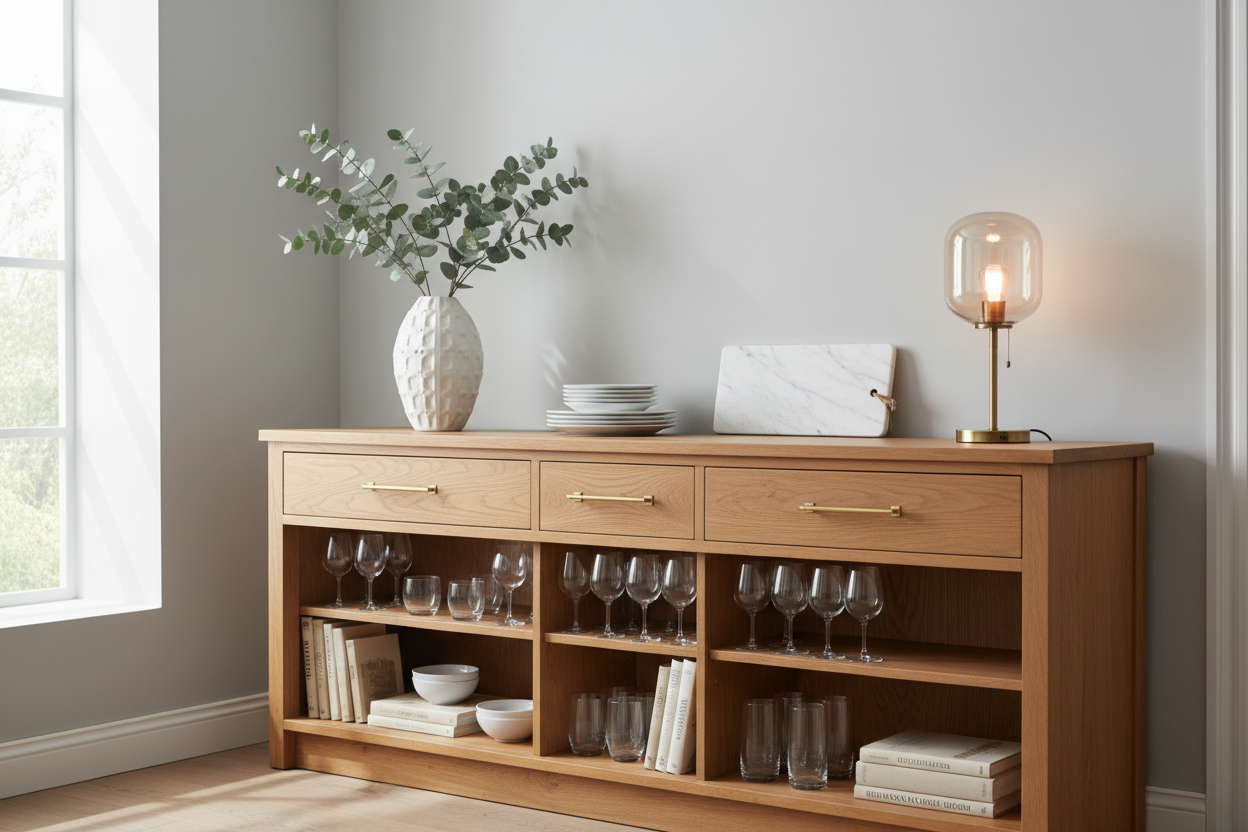
One of the most sophisticated approaches is utilizing a console table with a hidden leaf or pull-out drawer. When closed, it serves as a foyer or living room display surface for vases and books. When open, it offers the depth required for a laptop. This approach maintains the visual balance of your living area, ensuring the "office" aspect disappears the moment you log off.
Materiality and Durability
When selecting furniture for portable office ideas, the intersection of durability and weight is critical. Solid oak or walnut offers a stunning, luxurious texture, but the weight often makes true portability a myth.
For a high-end look that remains mobile, I recommend engineered wood with a high-quality veneer. This gives you the grain and warmth of timber without the back-breaking heft. Alternatively, matte-finish powder-coated steel provides a modern, industrial silhouette that is incredibly durable against the dings and scratches that occur when moving furniture between rooms.
Ergonomics in Motion
A portable setup often fails because the seating is an afterthought. Dragging a dining chair over for eight hours of work is a recipe for back pain. However, a bulky ergonomic executive chair ruins the aesthetic of a living room.
The compromise lies in the "mid-century modern" style task chair. Look for low-profile designs with upholstered seats and 360-degree swivels. Many luxury brands now offer office chairs that mimic the look of a lounge chair—using fabrics like boucle or velvet—concealing the hydraulic lift mechanism to maintain a residential feel.
My Personal Take on portable home office ideas
I learned a hard lesson about portability during a project for a client in a Brooklyn brownstone. We selected a stunning, industrial-style rolling desk made of reclaimed wood and iron. It looked incredible in the showroom. However, once we got it into the apartment, we realized a critical flaw: the casters.
The desk came with vintage-style metal wheels. Within a week, the client called me to say the wheels were carving grooves into their original parquet flooring every time they shifted the desk. Furthermore, because the desk lacked a "modesty panel" or cable tray, the power strip dragged across the floor like a tail. We had to retrofit the piece with soft polyurethane caster wheels and attach a magnetic cable spine to the leg. It was a reminder that in portable design, the hardware (wheels, hinges, cable clips) is just as important as the wood finish.
Conclusion
Designing a portable workspace doesn't mean settling for a folding card table. By focusing on materials that balance weight with durability, and choosing silhouettes that complement your existing furniture, you can create a workspace that works for you—not against your home's design. It is about creating a space that appears permanent when in use, and vanishes when the workday is done.
Frequently Asked Questions
What is the best way to hide cables in a portable setup?
Since you cannot drill into walls or use permanent ducts, use Velcro ties to bundle cables to the leg of the desk. I also recommend a portable "tech pouch" or cable box that sits on the desk surface, housing your power strip and chargers, so you only have one main cord running to the wall outlet.
Can a portable office really be ergonomic?
Yes, but you must be intentional. Ensure your desk height is standard (approx. 29-30 inches) and invest in a separate laptop stand and external keyboard. This allows you to raise the screen to eye level, which is the biggest ergonomic failure in most mobile setups.
How do I protect my rugs when using a rolling chair or desk?
If you are working over a high-pile rug, standard casters will struggle. Upgrade to "rollerblade style" wheels, which are larger and smoother. Alternatively, use a transparent, tempered glass chair mat. Unlike cheap plastic mats that crack and yellow, glass mats are elegant and allow the rug pattern to show through clearly.


Leave a comment
This site is protected by hCaptcha and the hCaptcha Privacy Policy and Terms of Service apply.