










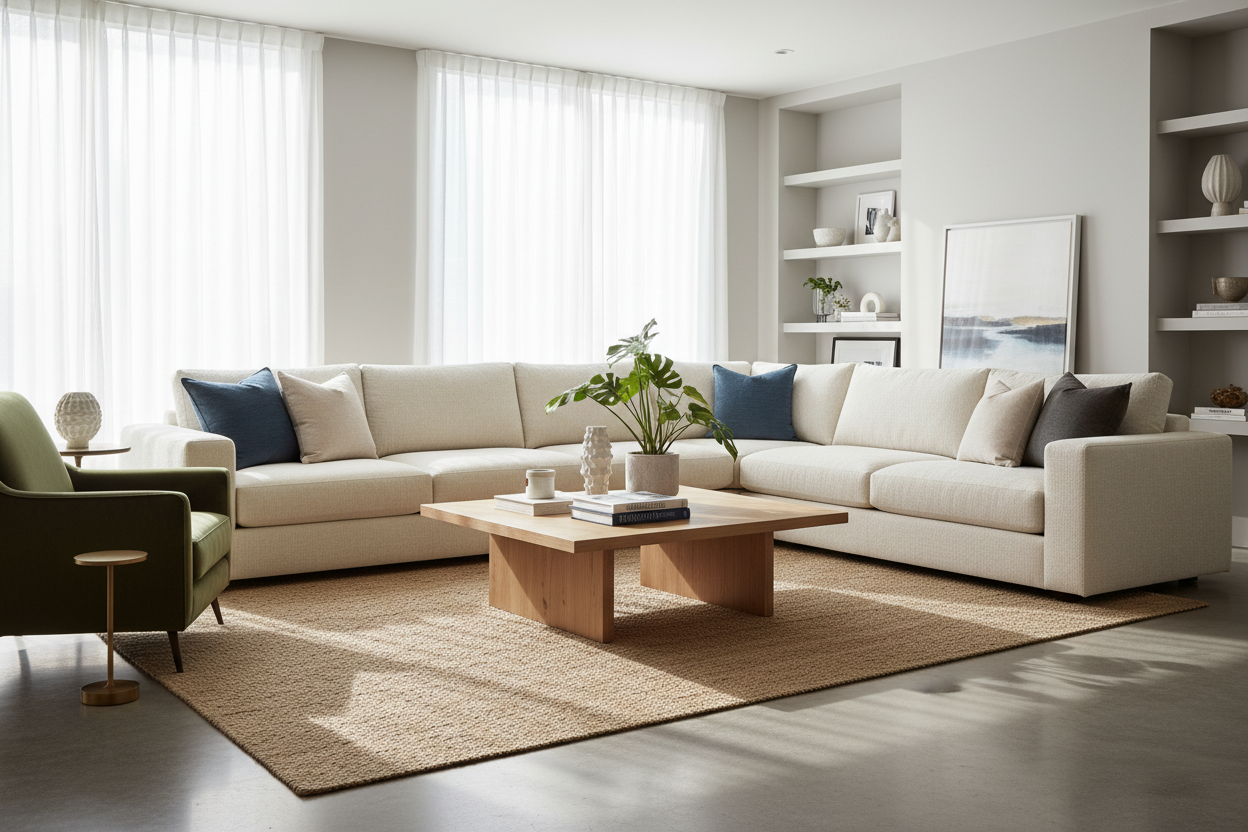
There is a specific heartbreak reserved for homeowners who invest in a centerpiece for their living room, only to watch it crack, peel, or sag within two years. When selecting leather couches, the stakes are high. This isn't just a place to sit; it is the visual anchor of your space and, arguably, the most tactile element in your home. Before you commit to a purchase, you need to look past the glossy showroom lighting and understand exactly what lies beneath the upholstery.
Quick Decision Guide: Key Features to Look For
If you are standing in a store or browsing online right now, use this checklist to filter out low-quality options immediately:
- Grain Quality: Always prioritize Full-Grain or Top-Grain. Avoid "Bonded" or "Genuine" leather if you want longevity.
- Suspension System: Look for 8-way hand-tied springs or high-gauge sinuous springs. Avoid webbing alone.
- Frame Construction: Kiln-dried hardwood is the industry standard for preventing warping.
- Cushion Fill: High-density foam wrapped in down provides the best balance of structure and the "sink-in" feel of a soft leather sofa.
Decoding the Hide: Material Matters
The term "leather" is used loosely in marketing. Whether you are looking for a simple leather sofa or a fancy leather couch, the durability lies in the processing. A top quality leather sofa utilizes aniline or semi-aniline dyes. These penetrate the hide, allowing the leather to breathe and develop a rich patina over time.
Conversely, many leather like sofas or "faux" options (often searched as leather fabric sofas) are polyurethane on a fabric backing. While these leather look couches are budget-friendly and easy to clean, they lack the thermal adaptability of real hide. They won't warm up to your body temperature, often feeling cold in winter and sticky in summer.
The Silhouette: Balancing Visual Weight
Leather is a visually heavy material. To prevent your room from feeling crowded, pay attention to the form.
Legs and Lift
If you have a smaller apartment, avoid overstuffed leather furniture that sits directly on the floor. Instead, opt for a leather sofa on legs. Seeing the floor beneath the piece tricks the eye into perceiving more space. A light leather couch in tan or cream can also reduce that heavy visual footprint compared to traditional espresso or black tones.
Modern vs. Traditional
For a contemporary aesthetic, look for a cool leather sofa with clean lines and track arms—often described as a leather style sofa with a low profile. For a more classic library feel, leather settee sofas with Chesterfield tufting or overstuffed leather sofas offer timeless appeal, though they require more physical square footage.
Comfort and Ergonomics
A beautiful leather sofa is useless if it hurts your back. The leather couch seat depth is critical. A standard depth is around 21 to 24 inches. If you prefer a lounge couch leather style for napping, aim for deeper seating.
Testing is vital. When you sit, do you slide forward? This is a common issue with performance leather sofa finishes that are over-sealed. You want a texture that offers a slight grip. Furthermore, consider the firm leather sofa versus the soft leather sofas for sale. A firmer seat holds its shape better and is easier to stand up from, which is crucial for formal sitting rooms.
Sourcing: Where to Buy Leather Couches
Finding the right piece involves more than typing "leather couch nearby" into a search bar. While local leather sofa stores allow you to sit-test, don't discount online leather couches if the retailer offers detailed specifications and fabric swatches.
If you are searching for leather lounge furniture or a single leather sofa to complete a reading nook, check for leather sofa buy online policies that include white-glove delivery. Leather is heavy; you do not want to be wrestling a full leather furniture piece up a flight of stairs alone.
Lessons from My Own Projects: The "Sliding" Factor
I once specified a stunning, sleek Italian leather lounge sofa for a high-end bachelor pad. It was aesthetically perfect—a cool leather couch in a deep cognac. However, I made a miscalculation on the finish. We chose a heavily protected, pigmented leather because the client wanted it to look "new" forever.
The problem? It was too slick. When guests sat down in suit pants or silk dresses, they would slowly slide into a slouch. It lacked the natural friction of a semi-aniline hide. Now, when I advise clients looking for leather and upholstery couch options, I always make them do the "slide test." Real luxury is about friction and warmth, not just a shiny surface. Also, be wary of coloured leather sofa options in bright reds or blues; unless the dye quality is exceptional, these tend to fade unevenly near windows, leaving you with a tie-dye effect you didn't ask for.
Conclusion
Whether you choose a simple leather couch for a minimalist den or elegant leather sofa for a formal living room, treat it as a long-term relationship. Prioritize the frame and the grain over the initial price tag. The right piece will not just survive daily use; it will tell the story of your home through every crease and patina mark it gains.
Frequently Asked Questions
How do I maintain a light leather couch?
Light leather requires diligence. Use a specialized leather conditioner every 6-12 months to prevent cracking. Avoid placing light leather couches in direct sunlight to prevent yellowing, and wipe up spills immediately to avoid staining the porous hide.
What is the difference between a leather sofa and a leather look sofa?
A real leather sofa is made from animal hide, offering durability and breathability. A leather look sofa (or leather like sofas) is typically vinyl or polyurethane. While the latter is cheaper and easier to clean, it often peels over time and lacks the comfort of genuine leather.
Is a leather couch good for pets?
Yes, but choose the right grain. Full leather couches with a distressed look hide scratches well. Avoid smooth, pristine aniline leathers if you have dogs, as their claws will mark the surface instantly. Many homeowners find durable leather sofas easier to clean than fabric because hair doesn't weave into the fibers.



Leave a comment
This site is protected by hCaptcha and the hCaptcha Privacy Policy and Terms of Service apply.