










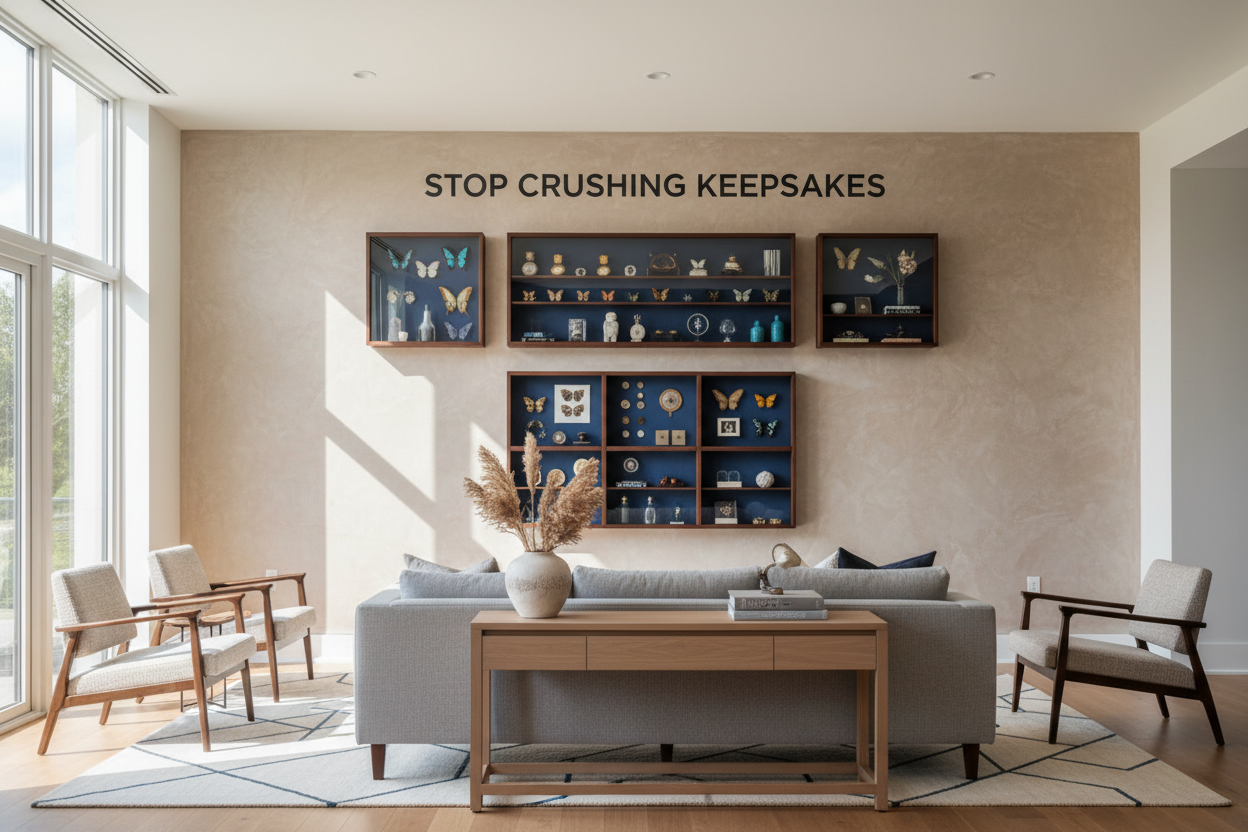
I still remember the sound of the glass snapping. I was trying to force my dried wedding bouquet into a supposedly 'deep' frame I bought at a big-box craft store. It wasn't actually deep; it was a lie. The glass pressed against the fragile roses, the pressure mounted, and crack. I nearly sliced my thumb open, and half my bouquet turned into dust on the carpet.
That was the day I realized most frames are designed for flat paper and the occasional ticket stub, not the real, bulky artifacts of a life lived. If you have something with actual volume—a vintage camera, a thick seashell, or a baseball glove—you need a shadow box extra deep. Anything less is just a slow-motion trash compactor for your memories.
Quick Takeaways
- Standard 2-inch frames are for photos, not 3D objects.
- A true 6 deep shadow box is necessary for items like bridal bouquets or sports memorabilia.
- Extra depth prevents 'glass-to-object' contact, which causes mold and structural damage over time.
- Always use toggle bolts for mounting deep boxes; the leverage on the wall is higher than flat frames.
The Day I Heard the Frame Glass Crack
We’ve all been there, staring at a pile of memorabilia and trying to play Tetris with a frame that just won't close. I spent years trying to 'make it work' with shallow boxes, usually ending up with a finished product that looked squashed and sad. When you try to force a 3D object into a 2-inch space, you lose the texture and the shadows that make the item interesting in the first place.
Upgrading to a shadow box extra deep changed how I look at my walls. Suddenly, my grandfather’s old Nikon wasn't sitting in a drawer gathering dust; it was a piece of art. The extra breathing room inside the frame allows the object to exist in its natural state, without the glass acting like a heavy weight on top of it. It’s the difference between a cramped closet and a gallery display.
What Actually Counts as 'Extra Deep' Anyway?
In the framing world, 'deep' is a relative term that manufacturers love to throw around. Most 'deep' frames you find at the mall are barely 1.5 to 2 inches. That’s fine for a few layers of cardstock, but it’s useless for a real deep display case. If you want to house something substantial, you should be looking for a 6 deep shadow box or larger.
I’ve spent a lot of time debating whether a box display shelf actually better than a frame. Usually, the enclosed box wins because it protects the items from dust and curious cats. A 6-inch depth gives you enough clearance to mount objects with their own stands inside the box, creating a professional, museum-quality look that shallow frames can't touch.
The Perks of an Extra Deep Shadow Box Display Case
An extra deep shadow box display case isn't just about the physical fit; it's about preservation. When an object touches the glass, moisture can trap itself against the material, leading to mold or 'foxing' on vintage items. The extra air gap provides circulation that keeps your keepsakes dry and stable.
Plus, the depth allows for creative layering. You can mount a photo on the back panel, place a physical object in the middle ground, and even add a vinyl decal to the front glass. This creates a 3D parallax effect that makes people actually stop and look at your decor instead of just walking past it.
4 Bulky Items That Deserve the Extra Space
Not everything belongs in a deep box, but these four items are non-negotiable for me:
- Dried Bridal Bouquets: These are notorious for being 5-7 inches thick. Don't even try to put them in a standard frame unless you want a flat pancake of petals.
- Sports Memorabilia: A baseball glove, a thick championship ring box, or even a pair of baby’s first cleats need that 6-inch clearance.
- Seashells and Coral: If you picked up a conch or a thick piece of driftwood on vacation, a shallow box will just look cluttered. The depth lets the organic shapes shine.
- Vintage Tech: Old GameBoys, rotary phones, or cameras have a wonderful industrial aesthetic that needs depth to be appreciated from the side.
If your collection of 3D objects starts to take over every wall in the house, you might eventually need to graduate to a corner display case. Some things are just too heavy or too numerous to hang on drywall without a lot of anxiety.
How to Style It So It Doesn't Look Like a Medicine Cabinet
The biggest risk with a deep wall box is that it can look like a bulky medicine cabinet if you aren't careful. My trick? Skip the cheap paper backing. I use linen or velvet fabric wrapped over foam board. It looks expensive, and it hides the pinholes if you decide to move things around later.
Don't just center one item and call it a day. Use the 'Rule of Three.' Place your main heavy object slightly off-center and balance it with two smaller items—like a ticket stub and a small decorative pin. This creates a visual path for the eye to follow. And please, for the love of your walls, use heavy-duty anchors. A 6-inch deep box acts like a lever on your wall screws; it’s pulling 'out' as much as it’s pulling 'down.'
When to Graduate from Wall Boxes to Furniture
There comes a point where even the sturdiest wall can't handle your hobby. I hit that point when I tried to mount a collection of vintage brass transit tokens and the weight started bowing the backboard of my frame. If you find yourself wanting to display twenty different deep boxes, your wall is going to start looking like a cluttered mess.
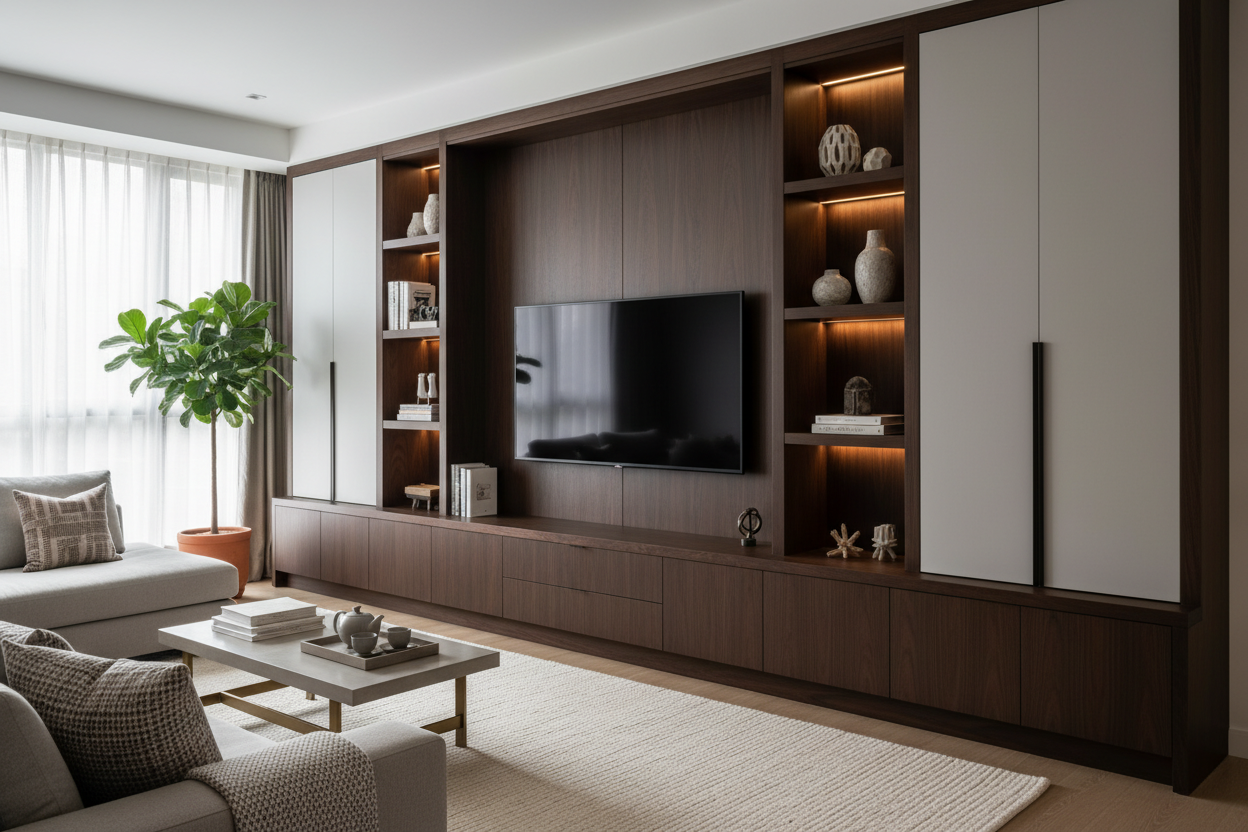
That is the moment you look for a glass door display case with led. It takes the weight off your drywall and gives you built-in lighting that makes everything look ten times more professional. It’s the logical next step for a serious collector who has run out of wall studs to drill into.
FAQ
How do I mount heavy objects inside a deep shadow box?
Forget glue; it fails over time. Use clear jewelry wire or 'T-pins' driven into a foam-core backing. For very heavy items, I’ve even used small, discreet zip ties threaded through holes poked in the backboard.
What is the best way to clean the inside of the glass?
Use a microfiber cloth and ammonia-free cleaner. Do this before you seal the box. Nothing is more annoying than hanging a 10-pound box only to realize there is a giant fingerprint on the inside of the glass.
Should I use UV-protective glass?
If the box is near a window, yes. Extra deep boxes have more internal surface area for light to bounce around, which can accelerate fading on fabrics and photos.


Leave a comment
This site is protected by hCaptcha and the hCaptcha Privacy Policy and Terms of Service apply.