











I spent three years carefully curating a collection of vintage cameras and designer vinyl figures, only to realize I couldn't actually see half of them. My bookshelf looked less like a gallery and more like a cluttered junk drawer that happened to be upright. I’d buy a rare find, shove it in the back, and it would basically cease to exist until I did a deep clean six months later.
Everything changed when I finally caved and bought my first tiered display case. It’s the difference between a crowd standing on a flat sidewalk and a stadium where everyone has a front-row seat. Suddenly, the $80 figure I bought in Tokyo wasn't blocked by a stack of books.
- Flat shelves hide 40% of your items behind the front row.
- Acrylic tiers create vertical depth without adding visual weight.
- Stadium seating prevents 'clutter fatigue' by organizing items by height.
- Tiered inserts can be used inside larger glass cabinets for a pro look.
The Back-Row Graveyard: Why Flat Bookshelves Fail Us
Standard flat bookshelves are great for novels, but they are the natural enemy of the small collectible. Unless you’re lining everything up in one single, lonely row at the very edge of the shelf, you’re losing visibility. I used to try the 'zigzag' method, placing smaller items between larger ones. It never worked. The eye doesn't know where to land, and the items in the back just look like shadows.
What actually happens is the 'Graveyard Effect.' You put your tallest piece in the back, but then you realize your medium-sized pieces still obscure the base of the taller one. Before you know it, you’ve got a 12-inch depth shelf where only the first 3 inches are doing any heavy lifting. It’s a massive waste of real estate that makes even the most expensive collection look like a clearance bin at a thrift store. I've seen people try to use shoeboxes as makeshift risers, but that just looks messy.
Why a Tiered Display Case Instantly Fixes the Layout
A tiered display case solves the depth problem by forcing your eyes to move vertically. It’s basic geometry that most of us ignore when we’re decorating. By lifting the back row just three or four inches, you reveal the entire silhouette of every object. This creates a sense of rhythm in the display that a flat surface simply can't provide.
This setup creates a curated vignette. Instead of a chaotic pile, you have a structured display that looks intentional. I’ve found that using tiers makes me more selective about what I display, too. When you have a dedicated 'podium' for your items, you stop treating them like clutter and start treating them like art. It also makes dusting significantly easier because you aren't moving twenty tiny objects just to reach the back of the shelf.
The Undeniable Magic of a 3-Tier Acrylic Display Case
If you’re just starting to organize, a 3-tier acrylic display case is the gold standard. I prefer acrylic over wood for small tabletop displays because it’s virtually invisible. It doesn't cast heavy shadows on the items below it, and it doesn't fight with the color of your desk or dresser. It’s the closest thing to having your items float in mid-air.
I use a 12-inch wide version on my office desk for my mechanical keyboard artisans. The clear steps let the light hit the resin from all angles. If I used a solid wood riser, the bottom row would be in total darkness. Acrylic is lightweight, but good 4mm thick plates won't bow under the weight of heavier die-cast cars or glass paperweights. It’s the ultimate low-profile solution for high-profile items.
Material Matters: Figuring Out What Material Fits Your Vibe
Choosing between plastic and glass isn't just about price; it's about the 'energy' of the room. Acrylic is my go-to for high-traffic areas or anywhere I might accidentally knock things over. It’s durable, easy to wipe down, and if it falls, it doesn't turn into a thousand shards of danger. It’s also much lighter, which matters if you’re putting these tiers on a glass-topped desk or a wall-mounted shelf with a weight limit.
However, I often find myself in the glass vs. acrylic: which collectible display case is better? debate when styling a formal living room. Glass has a weight and a 'clink' to it that feels more permanent and high-end. If you’re displaying antique porcelain or heavy brass, glass is the way to go because it won't scratch as easily as acrylic. But for toys, tech, and modern decor? Stick with the acrylic. It’s cheaper, clearer, and much more versatile for a growing collection.
Going Big: When Small Tiers Need to Live Inside a Larger Cabinet
Once your collection outgrow a single tabletop riser, you need to think about putting tiers inside a bigger cabinet. This is the pro move. It keeps the dust off your stuff while maintaining that stadium-style visibility. If you have a massive collection of Funko Pops or Warhammer minis, tabletop tiers alone will start to look like a stadium parking lot.
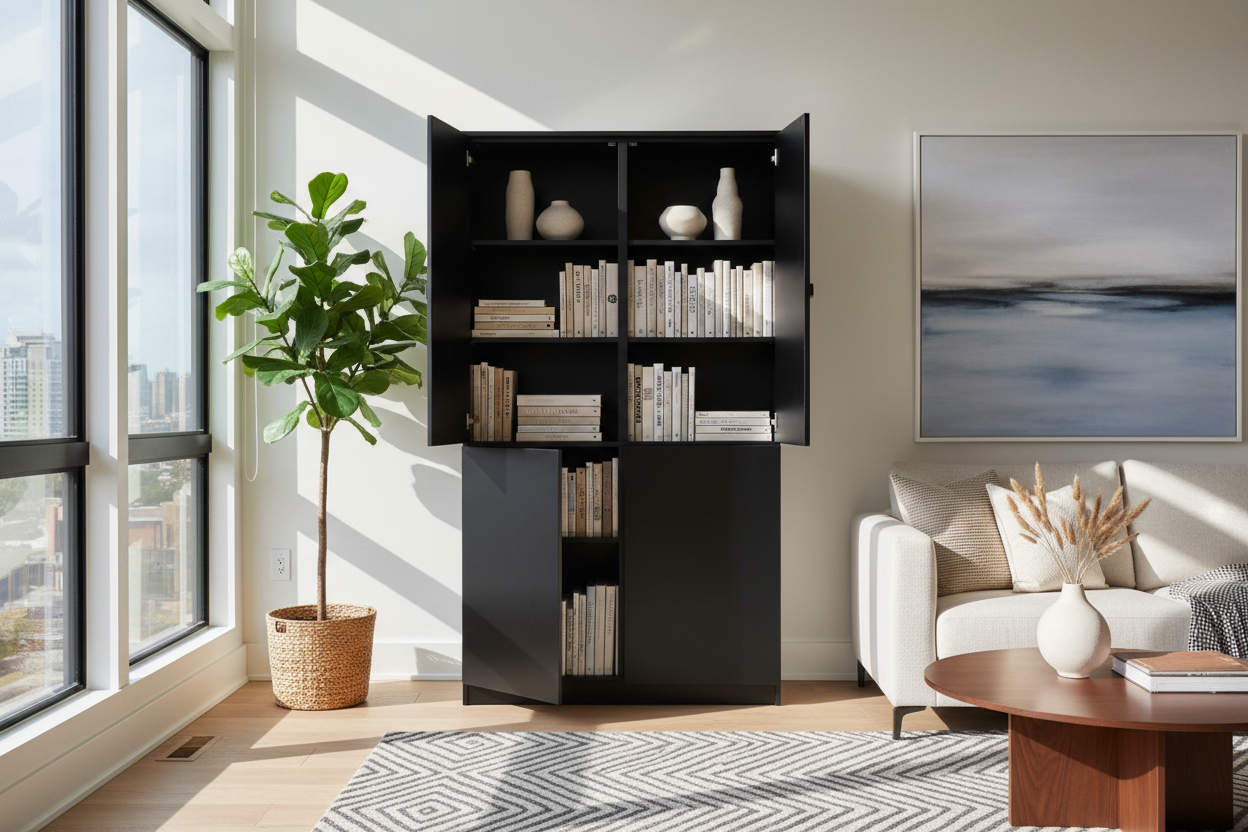
For a serious setup, I love using a 4 Layer Glass Door Display Case With Led Light. The built-in lighting combined with acrylic tiered inserts inside means every single item is illuminated and visible from across the room. The LED strips catch the edges of the acrylic tiers, making the whole thing glow. If your room feels a bit dark or cramped, a White Display Case With Glass Doors can help brighten things up. The white frame acts as a neutral border, making the colors of your collection pop without feeling like a heavy piece of furniture is eating the room.
Personal Experience: The 'Lego' Disaster
I once tried to display a series of mini-figures on a deep floating shelf without tiers. I spent two hours posing them perfectly. Three days later, I reached for a book, bumped the shelf, and watched a domino effect knock every single figure into a pile at the back. I couldn't even see half of them to put them back. That was the day I bought my first tiered riser. Now, even if I bump the shelf, the 'steps' act as a barrier, and I can actually see what I'm doing when I reset them. It saved my sanity and my collection.
FAQ
How do I clean acrylic tiers without scratching them?
Never use Windex or anything with ammonia. It will cloud the plastic over time. Use a microfiber cloth and a dedicated plastic cleaner, or just a tiny drop of dish soap in warm water. Avoid paper towels, as they can actually be abrasive enough to leave swirl marks.
Are tiered cases only for small items?
Not at all. While they are famous for figurines, I've seen people use large wooden tiers for potted succulents or even spice jars in a pantry. The logic is the same: if you can't see it, you won't use it. If it's taller than 6 inches, just look for wider 'stadium' steps.
Will the tiers block the light for the bottom row?
If you use solid materials like wood or metal, yes. That's why I almost always recommend acrylic or glass tiers. They let light pass through to the very bottom, keeping the whole display bright. If you have a solid riser, you'll likely need to add puck lights to the underside of the shelf above it.

Leave a comment
This site is protected by hCaptcha and the hCaptcha Privacy Policy and Terms of Service apply.