










There is a pervasive myth in interior design that you must choose between the high-end aesthetic of a structured sofa and the supreme comfort of motion furniture. Many homeowners fear that introducing a leather couch and loveseat recliner into their living room will instantly downgrade the vibe from 'curated home' to 'casual man cave.' I am here to tell you that with the right silhouette and leather grade, this is simply not true.
You can achieve a sophisticated, cohesive look without sacrificing the ability to kick your feet up after a long day. This guide explores how to select pieces that balance ergonomic function with visual elegance, ensuring your investment serves both your back and your décor style.
Key Features to Look For
Before committing to a purchase, review this checklist to ensure you are buying furniture that lasts longer than a few seasons.
- Leather Grade: Prioritize Top Grain or Full Grain leather for durability and patina; avoid Bonded leather which peels over time.
- Mechanism Type: Choose 'Wall-Hugger' designs for tight spaces or 'Power Recline' for infinite positioning.
- Suspension System: Look for 8-way hand-tied springs or heavy-gauge sinuous springs for long-term seat support.
- Frame Construction: Kiln-dried hardwood frames prevent warping and creaking compared to plywood or particleboard.
Decoding Leather Quality and Texture
The terminology surrounding leather can be intentionally vague in retail settings. When shopping for a leather recliner sofa loveseat, the most critical factor is the hide itself. For a luxury finish that ages well, you want Top Grain leather. It has had the outermost layer sanded to remove imperfections, resulting in a uniform, durable surface that resists stains better than Full Grain, making it ideal for families.
Be wary of anything labeled 'Genuine Leather' without further specification, as this is often a lower-tier split hide. Furthermore, consider the tactile experience. A semi-aniline dye allows the leather to breathe and adjust to body temperature, preventing that sticky feeling often associated with lower-quality, heavily pigmented leathers found on a budget leather reclining couch loveseat.
Space Planning and Layout Strategy
Motion furniture requires more operational space than static upholstery. A common error is failing to account for the 'pitch'—the distance the backrest moves when fully reclined. If you are placing your leather reclining sofa and loveseat near a wall, you must opt for a 'zero-wall' or 'wall-hugger' mechanism. These designs slide the seat forward as the back tilts, requiring only 2-4 inches of rear clearance.
Managing Visual Weight
Recliners are inherently bulky. To counteract this 'heaviness,' look for models with high legs (stiletto or block wood feet) rather than skirts that go all the way to the floor. Seeing the floor beneath the furniture tricks the eye into perceiving the room as more spacious. Additionally, avoid overstuffed, 'puffy' armrests. A track arm or a slender rolled arm offers a cleaner, more tailored silhouette that integrates better with modern décor.
Color Coordination and Ambient Styling
Leather is a heavy material visually. If you choose a dark espresso or charcoal leather couch loveseat recliner set, you need to balance it with lighter, softer elements. I always advise clients to layer textures. Pair the sleek, cool touch of leather with a chunky wool throw or velvet accent pillows. This contrast softens the industrial edge of the leather and makes the space feel inviting rather than sterile.
My Personal Take on Leather Recliner Sets
I learned a hard lesson about motion furniture during a project in a high-rise downtown condo. We selected a stunning, Italian-made power reclining set that was meant to 'float' in the center of the room, facing a floor-to-ceiling window. It looked magnificent on the floor plan.
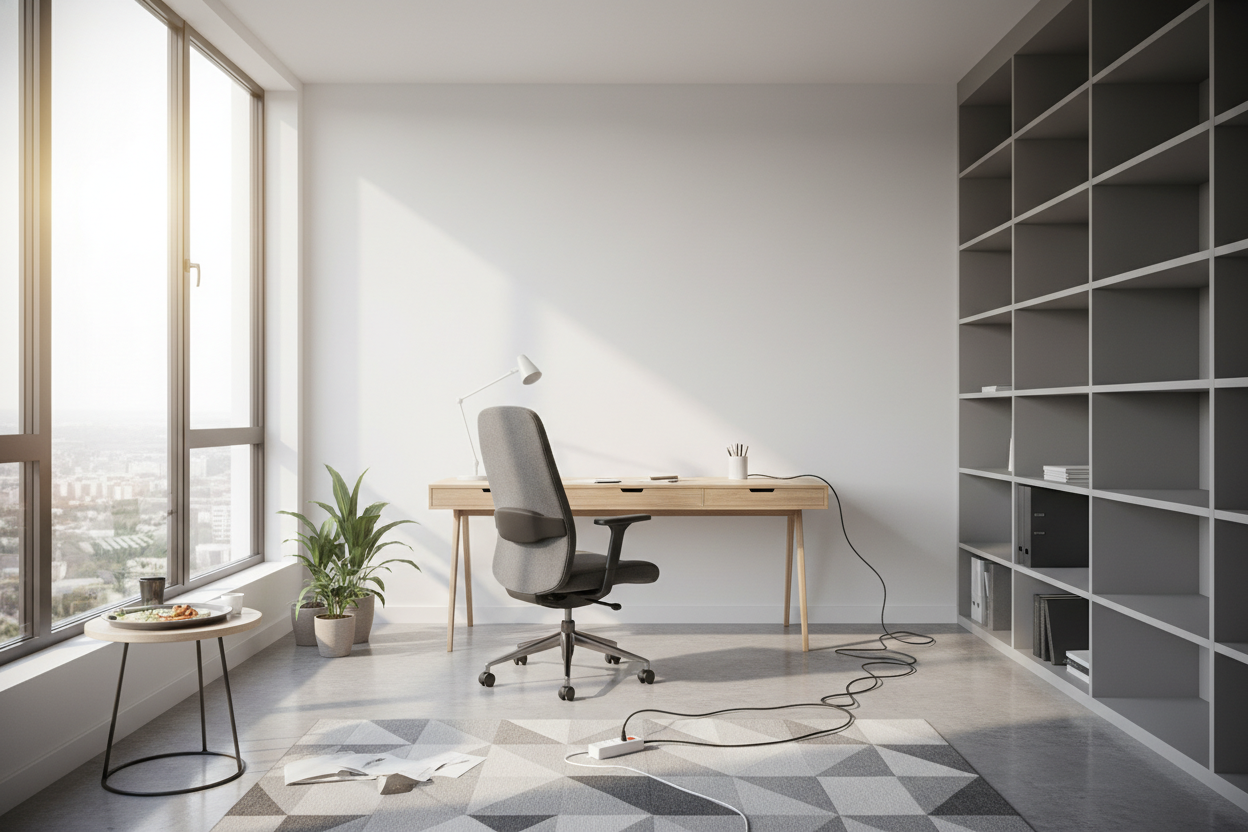
However, on installation day, we realized a critical oversight: power recliners need electricity. Because the sofa was floating in the middle of the room, we were left with ugly black cords snaking across a pale wool rug to reach the nearest wall outlet. It ruined the clean lines immediately. We had to scramble to purchase expensive, rechargeable battery packs that hide underneath the chassis to salvage the look.
If you are buying a power recliner, always map out your electrical outlets first. If the furniture isn't against a wall, budget for battery packs immediately—do not rely on extension cords, as they are a tripping hazard and a visual eyesore.
Conclusion
Integrating a leather couch and loveseat recliner into your home is an investment in your daily well-being. By focusing on kiln-dried frames, top-grain hides, and tailored silhouettes, you can create a living space that feels as luxurious as it is comfortable. Don't settle for bulk; demand beauty and function in equal measure.
Frequently Asked Questions
How do I maintain a leather recliner set?
Dust weekly with a microfiber cloth and apply a high-quality leather conditioner every 6 to 12 months. This prevents the hide from drying out and cracking, especially in homes with dry heating systems.
Can I fit a reclining set in a small apartment?
Yes, but you must choose 'wall-hugger' mechanisms. These allow you to place the furniture within inches of the wall. Also, opt for a loveseat and a separate single recliner chair rather than a full sofa if the room is less than 12 feet wide.
Is a power recliner better than a manual one?
Power recliners offer infinite stopping positions for better ergonomics, whereas manual ones usually only have two or three set positions. However, manual levers are generally faster to operate and don't require a power source.

Leave a comment
This site is protected by hCaptcha and the hCaptcha Privacy Policy and Terms of Service apply.