










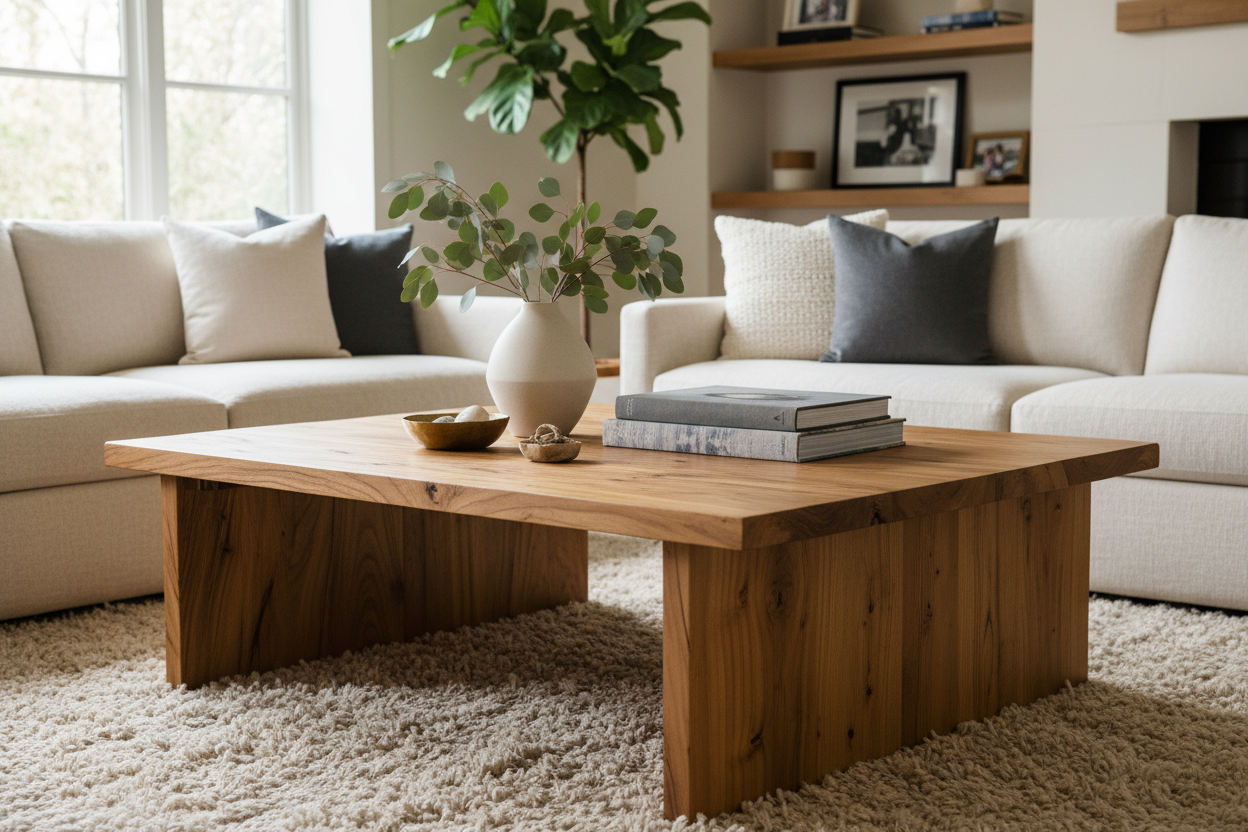
A room often feels incomplete until you introduce texture and warmth, elements that natural materials provide effortlessly. While sofas and shelving units do the heavy lifting in terms of function, a wooden decorative table acts as the soul of the space. It is the piece that bridges the gap between a house that looks lived-in and a home that feels curated. Whether you are looking to fill an empty corner in the hallway or need a conversation starter for the living room, adding a wood accent piece is the most effective way to introduce organic beauty into a sterile environment.
Choosing the right piece requires looking beyond dimensions. You need to consider the grain, the finish, and how the timber interacts with the light in your specific room. A heavy, dark mahogany table might swallow the light in a small apartment, while a light ash or pine piece could disappear in a grand, high-ceilinged library. The goal is to find a balance where the furniture serves a purpose—holding a lamp, a drink, or a sculpture—while standing alone as a work of art.
The Character of Wood in Interior Design
Wood is a living material, even after it has been cut, sanded, and varnished. It expands, contracts, and changes color over time. This impermanence is exactly what gives wooden decor tables their charm. Unlike plastic or metal, which remain static, a wood table develops a patina. This surface sheen develops through age, use, and polishing, telling the story of the home it inhabits.
I recall hunting for a specific accent piece for my own entryway a few years ago. The space was narrow, dark, and uninviting. I needed something that wouldn't block the flow of traffic but would still catch the eye. After weeks of scouring estate sales, I found a beat-up, quarter-sawn oak pedestal table. It was covered in layers of dark, sticky varnish. Stripping it back revealed a tight, tiger-stripe grain that shimmered when the light hit it. That table didn't just fill a space; it changed the acoustics and the smell of the entry. It added a grounding, earthy scent and a visual anchor that metal or glass simply couldn't provide.
When you select a wooden decorative table, you are choosing a specific mood. Walnut tends to bring a sophisticated, mid-century modern feel with its dark, chocolate hues. Oak suggests durability and tradition, often leaning towards farmhouse or craftsman styles. Maple and birch offer lighter, Scandinavian aesthetics that make a room feel airy and clean. Understanding these inherent personalities of timber helps you avoid design clashes.
Placement and Styling Strategies
Once you have acquired your table, the challenge shifts to placement. A common mistake is pushing these decorative pieces flush against a wall in a way that looks apologetic. Give the furniture room to breathe. If you are positioning a round accent table near an armchair, ensure it sits slightly forward of the chair arm, inviting use.
The Hallway Console
In a hallway, a long, slender console table serves as a landing strip for keys and mail, but it should also set the tone for the rest of the house. Because hallways are often narrow, the visual weight of the table matters. Legs that are tapered or open metal bases with a wood top can keep the space from feeling crowded. Styling here should be minimal but tall. A vertical mirror above the table or a tall vase with dried botanicals draws the eye up, increasing the sense of ceiling height.
Living Room Accents
In the main living area, wooden decor tables function best when they contrast with the surrounding upholstery. If your sofa is a soft, plush velvet, a table with a raw, live edge offers a necessary tactile contrast. This creates dynamic tension in the design, preventing the room from looking too soft or sleepy.
Layering is key when styling the surface. Use the rule of three: a light source (lamp), a horizontal object (a stack of books or a tray), and a sculptural object (a ceramic bowl or statue). This triangulation keeps the eye moving. However, leave enough negative space so the grain of the wood remains visible. If you cover the entire surface, you lose the primary reason you bought a wooden table in the first place.
Mixing Wood Tones
A frequent hesitation in interior design is the fear of mixing wood tones. Many people believe that if they have oak floors, they must have oak tables. This uniformity often leads to a flat, "furniture showroom" look. Professional designers encourage mixing woods to create depth. The trick lies in the undertones.
Woods generally fall into warm (red/orange/yellow) or cool (gray/ash) undertones. You can successfully mix a dark walnut table with lighter oak floors if they share a similar warmth. The contrast prevents the furniture from blending into the floor. If you are unsure, use a rug to break up the visual space between the wooden decorative table legs and the wooden floor. This buffer zone allows different species of wood to coexist harmoniously.
Maintenance and Longevity
Investing in quality furniture means committing to its care. Wood is sensitive to its environment. Placing a solid wood table directly over a heat vent can cause it to crack or warp due to rapid changes in humidity. Similarly, direct sunlight will bleach the color over time. While some fading is natural and adds character, uneven fading from a shadow cast by a vase can look unintentional.
For cleaning, avoid harsh chemical sprays that can strip the finish. A damp microfiber cloth is usually sufficient for dust. For deeper nourishment, depending on the finish, a high-quality beeswax or tung oil applied once or twice a year will keep the fibers saturated and repel water. If you have a raw or oil-finished table, be vigilant with coasters. Water rings on a varnished table are annoying; water rings on raw wood can require sanding to remove.
Ultimately, a wooden decorative table is more than a surface to rest a coffee cup. It is an anchor. It brings the complexity of nature indoors, offering a tactile experience that synthetic materials cannot replicate. Whether it is a sleek, modern geometric block or an intricate, hand-carved antique, the right wood table elevates the design of a room from functional to exceptional.
Frequently Asked Questions
How do I identify if a table is solid wood or veneer?
Check the grain pattern on the edges and corners. If the grain "wraps" unnaturally over the edge or if the bottom of the table looks like a completely different material (like particle board), it is likely veneer. Solid wood will have end grain visible at the ends of boards and will feel heavier and more substantial.
Can I use a wooden decorative table in a bathroom?
You can, but humidity is a major concern. Ensure the wood is sealed properly with a marine-grade varnish or a high-quality polyurethane to prevent moisture absorption, which causes warping and mold. Teak and bamboo are naturally more water-resistant choices for damp environments.
How do I fix a scratch on my wooden table?
For minor surface scratches, rubbing a walnut meat (the actual nut) over the scratch can often hide it, as the oils darken the wood. For deeper scratches in the finish, a wax filler stick that matches the wood tone is effective. If the scratch has penetrated deep into the wood itself, you may need to lightly sand the area and re-oil or re-stain it.


Leave a comment
This site is protected by hCaptcha and the hCaptcha Privacy Policy and Terms of Service apply.