










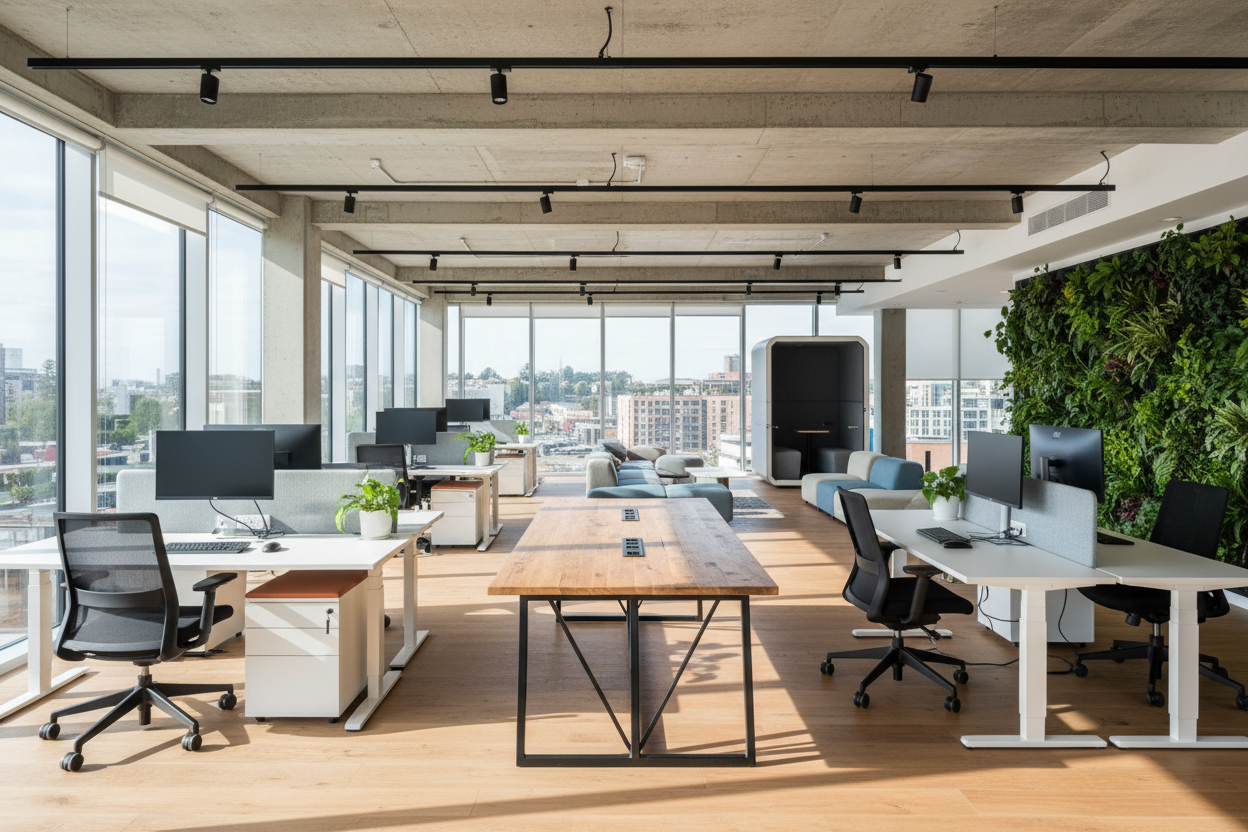
We have all walked into a workspace that feels sterile, uninspiring, or frankly, exhausting. The flicker of fluorescent lights and the sea of beige cubicles are relics of the past. Today, the best interior design for office spaces isn't just about impressing clients; it is about cognitive performance and employee well-being. As a designer, I tell my clients that your office is a tool, not just a container for people. If you are struggling to balance professional functionality with a welcoming atmosphere, you are not alone. This guide breaks down exactly how to curate a space that works as hard as you do.
Key Features of High-Performance Office Design
Before selecting a single piece of furniture, you must prioritize the foundational elements that define the best office interior design. Here is what separates a standard room from a high-functioning workspace:
- Ergonomic Certification: Look for seating with adjustable lumbar support and seat depth (e.g., ANSI/BIFMA standards).
- Lighting Temperature: Aim for 3500K–4000K LED lighting to mimic daylight and maintain focus without eye strain.
- Acoustic Control: Incorporate soft materials (rugs, acoustic panels, upholstered dividers) to dampen sound reverberation.
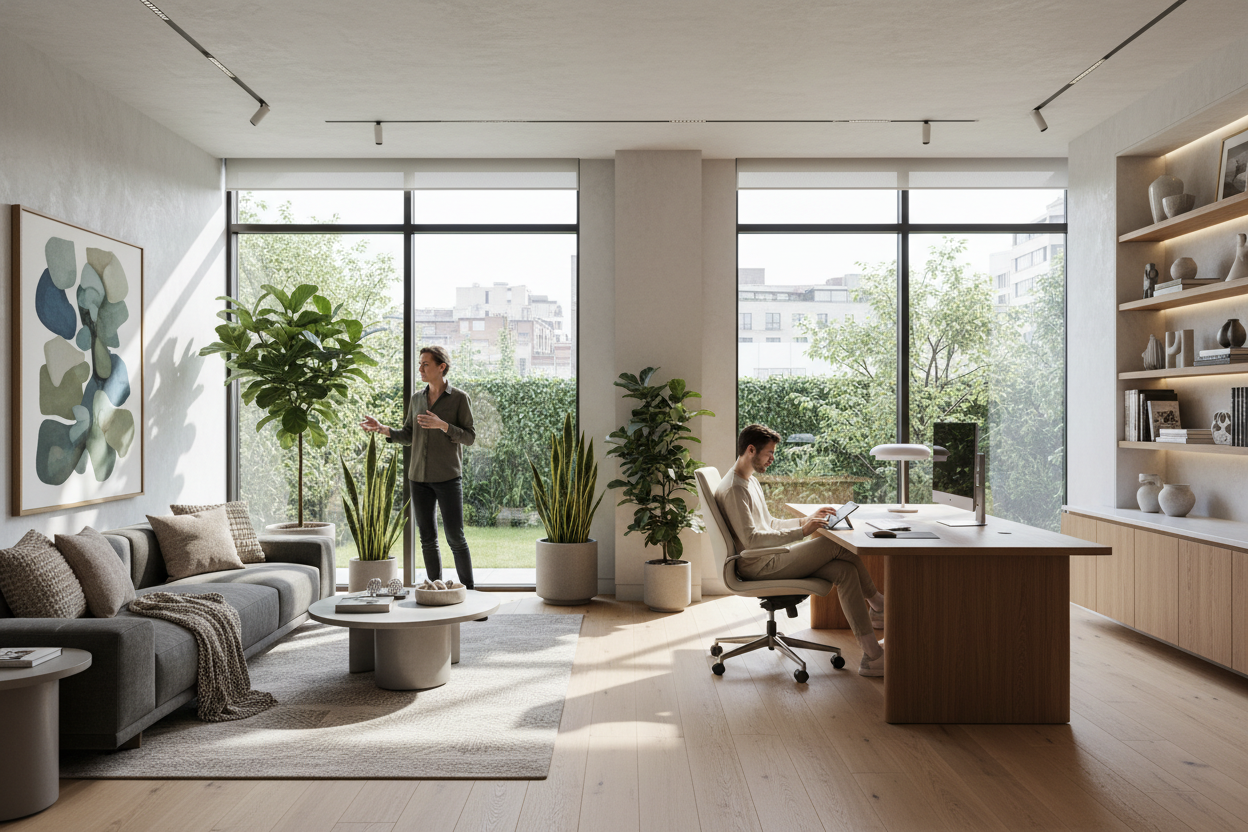
- Biophilic Elements: Integrate natural wood textures and greenery to reduce stress and improve air quality.
- Modular Layouts: Prioritize furniture that can be reconfigured as team sizes and needs shift.
Mastering the Layout: Flow and Zoning
The best interiors for office environments abandon the rigid grid system. Instead, we look at "Activity-Based Working" (ABW). This involves creating zones distinct from one another: high-focus quiet areas, collaborative breakout spaces, and social hubs.
When planning your floor plan, consider the traffic flow. You want wide arteries (main walkways) that allow two people to pass comfortably without brushing against a colleague's chair. A good office interior design always places high-traffic areas (like the kitchenette or print station) away from deep-work zones to minimize distraction.
Lighting: The Invisible mood Setter
Lighting is often the most undervalued aspect of a cool office interior design. Relying solely on overhead grid lighting creates shadows and fatigue. To achieve a professional, layered look, you need three sources:
1. Ambient Lighting
This is your general overhead light. Avoid harsh glares by using diffusers or indirect lighting that bounces off the ceiling.
2. Task Lighting
Every desk needs a dedicated source of light. An articulated desk lamp allows the user to control the lumen output on their specific documents, reducing eye strain significantly.
3. Accent Lighting
This is where you bring in personality. Use architectural lighting to highlight texture on a brick wall or artwork. It adds depth and prevents the space from feeling flat.
Materiality and Durability
In residential design, we might prioritize a velvet that looks lush. In office design, durability is king. When selecting fabrics for the best office interior, check the "double rub" count. For commercial spaces, you want a minimum of 50,000 double rubs to ensure the fabric won't bald or fray after a year of daily use.
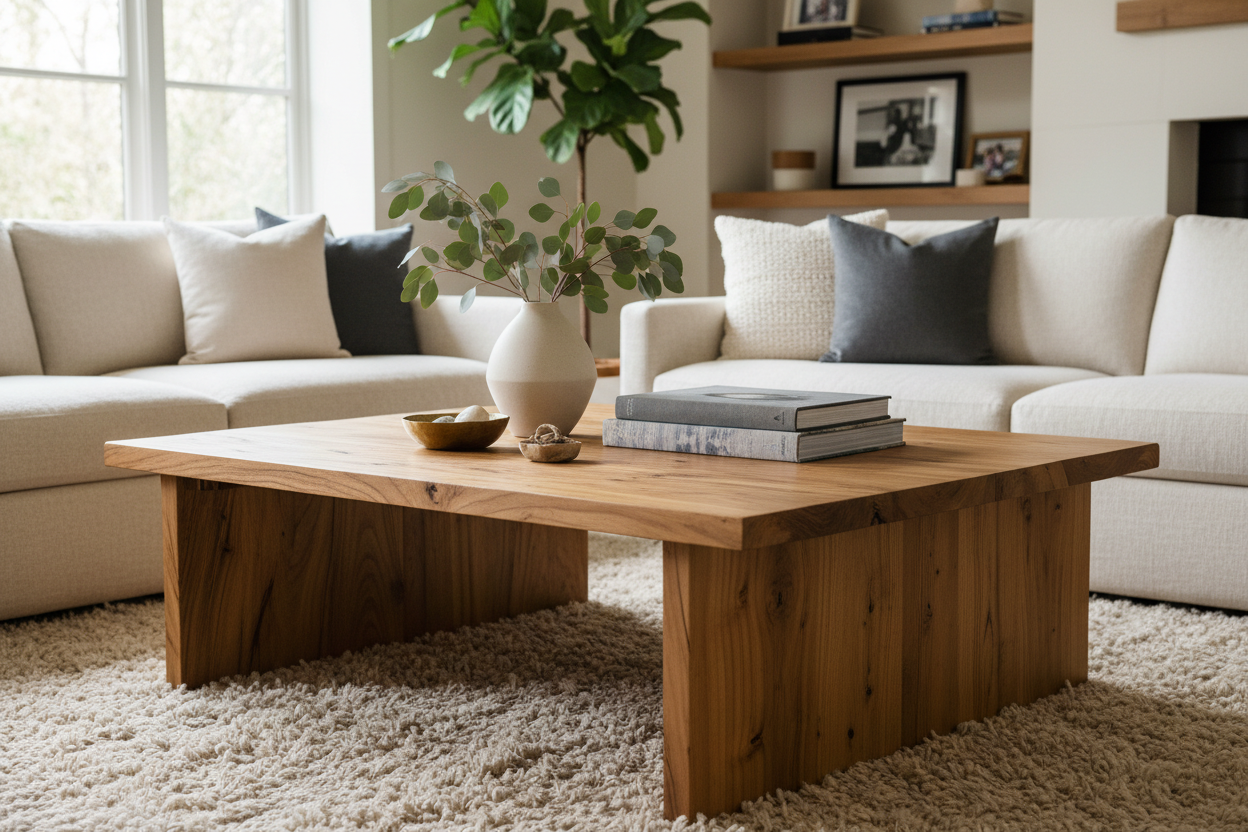
For surfaces, consider high-pressure laminates (HPL) or solid surface materials for desks. While solid wood is beautiful, it is susceptible to ring marks from coffee cups and scratches from equipment. A high-quality wood veneer or matte laminate often offers the best balance of warmth and resilience.
My Personal Take on Office Acoustics
I learned a hard lesson early in my career regarding the best interior design for office acoustics. I once designed a boutique agency space with polished concrete floors, floor-to-ceiling glass walls, and exposed ductwork. Visually, it was stunning—industrial, sleek, and modern.
However, one week after move-in, the client called me in a panic. The echo was so bad that if someone dropped a pen, the whole office looked up. Private meetings in the glass conference room were audible from the reception desk. I had to retrofit the space with acoustic ceiling baffles (which looked like floating clouds) and heavy wool felt curtains. It taught me that no matter how beautiful a space looks, if it sounds chaotic, it fails as an office. Now, I never specify a hard surface without balancing it with a soft one immediately adjacent to it.
Conclusion
Creating the ultimate workspace requires a blend of science and art. By focusing on ergonomic health, acoustic privacy, and layered lighting, you elevate the daily experience of everyone who steps through the door. Don't settle for a space that just exists; invest in a design that performs.
Frequently Asked Questions
How do I make a small office feel larger?
To maximize a small footprint, utilize vertical storage to keep floor space clear. Use glass partitions instead of solid walls to allow light to travel through the space, and stick to a lighter color palette for large surfaces like walls and desks to reflect light.
Is an open-plan layout actually good for productivity?
It depends on the culture, but generally, a 100% open plan kills productivity due to noise. The best office interior design uses a hybrid approach: open areas for collaboration, but strictly enclosed "phone booths" or quiet rooms for focused tasks.
What is the most durable flooring for a high-traffic office?
Luxury Vinyl Tile (LVT) is the current industry favorite. It is incredibly durable, water-resistant, and comes in realistic wood or stone finishes. Unlike real wood, it won't dent from high heels, and unlike carpet, it is easy to clean if coffee spills.

Leave a comment
This site is protected by hCaptcha and the hCaptcha Privacy Policy and Terms of Service apply.