










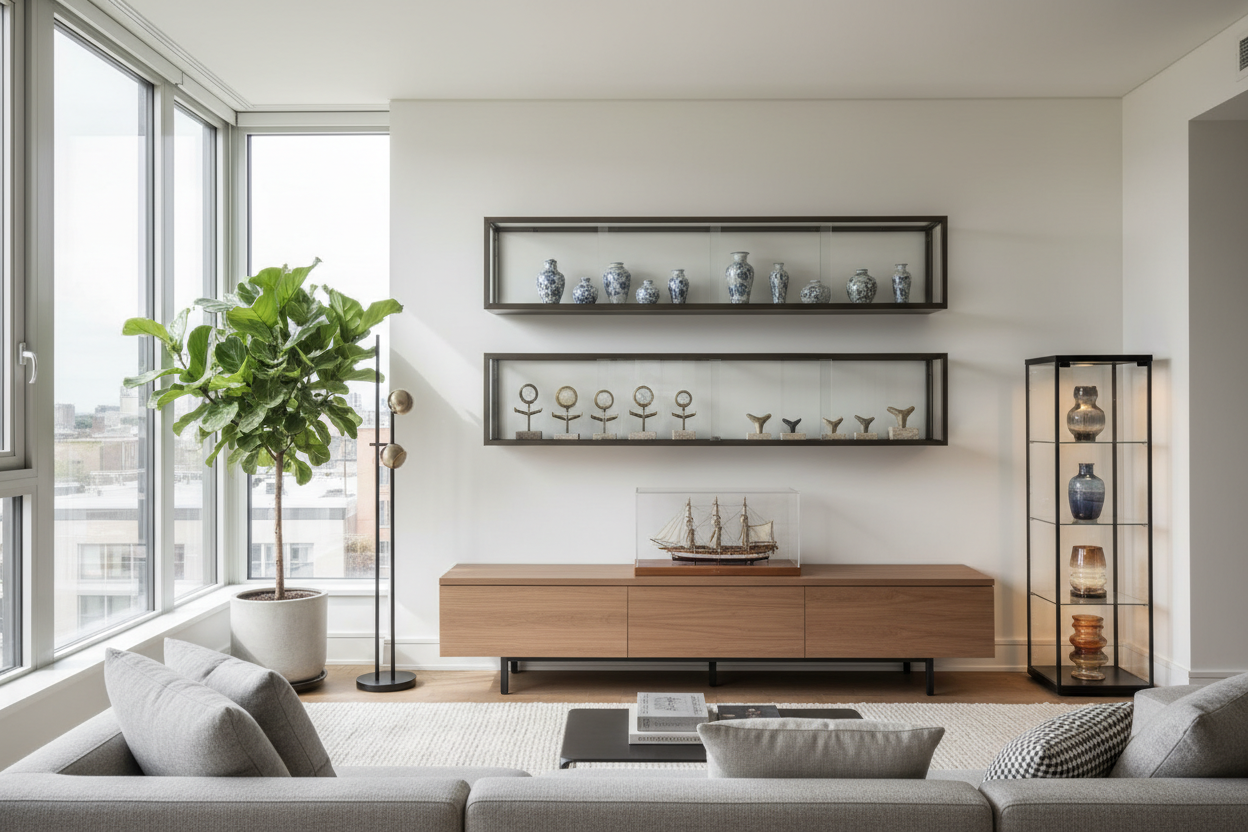
I used to think my collection of vintage film cameras looked great just lined up on a shelf. Then I realized that without any containment, they just looked like a high-end pawn shop explosion. I bought my first collectible display box thinking it would solve the clutter, but I quickly learned that plopping a plastic cube on a table is the fastest way to make your living room look like a retail store’s clearance section.
There is a fine line between a curated home and a hobby shop. Most people buy these cases thinking about protection first, which is fine, but they forget that a display case is actually a piece of furniture. If it doesn’t talk to the rest of your room, it’s going to look like an intruder.
- Material Matters: Glass is heavier and more expensive, but acrylic is a dust magnet that scratches if you even look at it wrong.
- The Two-Inch Rule: Always leave at least two inches of 'air' around your item to avoid a cramped look.
- Base Alignment: Match the base material of your case to the wood or metal of the surface it sits on.
- Lighting is Key: Avoid placing cases directly under recessed ceiling lights to prevent blinding glare.
The Awkward 'Floating Cube' Effect
The biggest mistake I see is the 'floating cube.' This happens when you take a clear acrylic display case for figurines and set it right in the middle of a large, empty surface. Because the box is clear, it has no visual weight, making your collectibles look like they are drifting in space. It feels disconnected and, frankly, a bit cheap.
To fix this, you need to anchor the box. I usually place mine on a stack of coffee table books or a small wooden tray. By giving the case a 'landing pad,' you integrate it into the room's decor. It stops being a random plastic enclosure and starts being a deliberate design choice. If you are using multiple collectors display boxes, vary their heights. A flat row of identical cubes looks like a museum exhibit; a staggered arrangement looks like a home.
Matching the Base to Your Furniture
A collector display case usually comes with a base—black plastic, walnut, mirrored, or even linen. This is where most people mess up. If you have a beautiful mid-century modern credenza, a glossy black plastic base is going to look like an eyesore. I always opt for a wood base that closely matches my existing furniture or a thin brass frame for a more 'library' feel.
When you treat these small enclosures as miniature versions of your living room display furniture, the whole room feels cohesive. For example, if your coffee table has matte black legs, find a case for collectibles with a matte black trim. It’s a small detail, but it’s the difference between a 'hobby room' and a sophisticated living space.
Breathing Room: How to Actually Measure Your Items
Stop trying to squeeze a ten-inch statue into an eleven-inch box. It looks suffocating. For a display case for collectables to look professional, you need 'negative space.' I follow the two-inch rule: there should be at least two inches of clearance between the top of the item and the lid, and at least an inch and a half on all sides. This allows the eye to actually see the object instead of just seeing the box.
If you find yourself trying to cram three or four items into one showcase for collectibles, it’s time to admit defeat. You’ve outgrown the tabletop phase. At that point, you’re better off investing in a dedicated multi tier storage shelf. A crowded display for small collectibles just looks like a pile of toys; a spacious one looks like a collection of treasures.
The Glare Problem (And How to Fix It)
Lighting a collectors glass display case is a nightmare if you don't plan for it. If you put a glass box directly under a bright overhead light, you won't see your figurine—you'll just see a bright white reflection of a lightbulb. It’s frustrating and ruins the whole point of having a display collectibles setup.
The trick is side-lighting. Position a small table lamp a few feet away so the light hits the case at an angle. If you’re serious about your collectible figurine display case, look for museum-grade acrylic or 'low-iron' glass, which reduces that green tint and cuts down on reflections. I also avoid mirrored backs; they double the visual clutter and make the glare twice as bad. Keep it simple with a clear or solid matte background.
How to Nestle It Into a Bookshelf
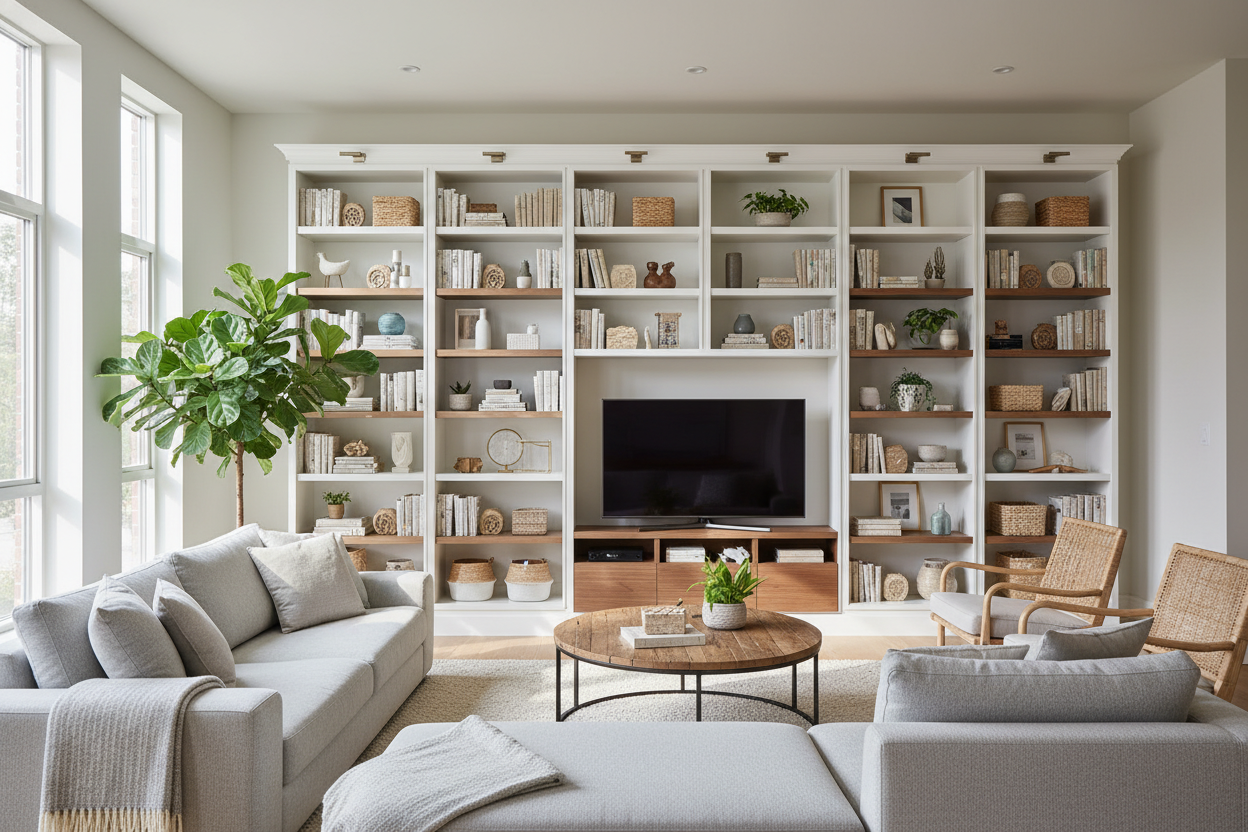
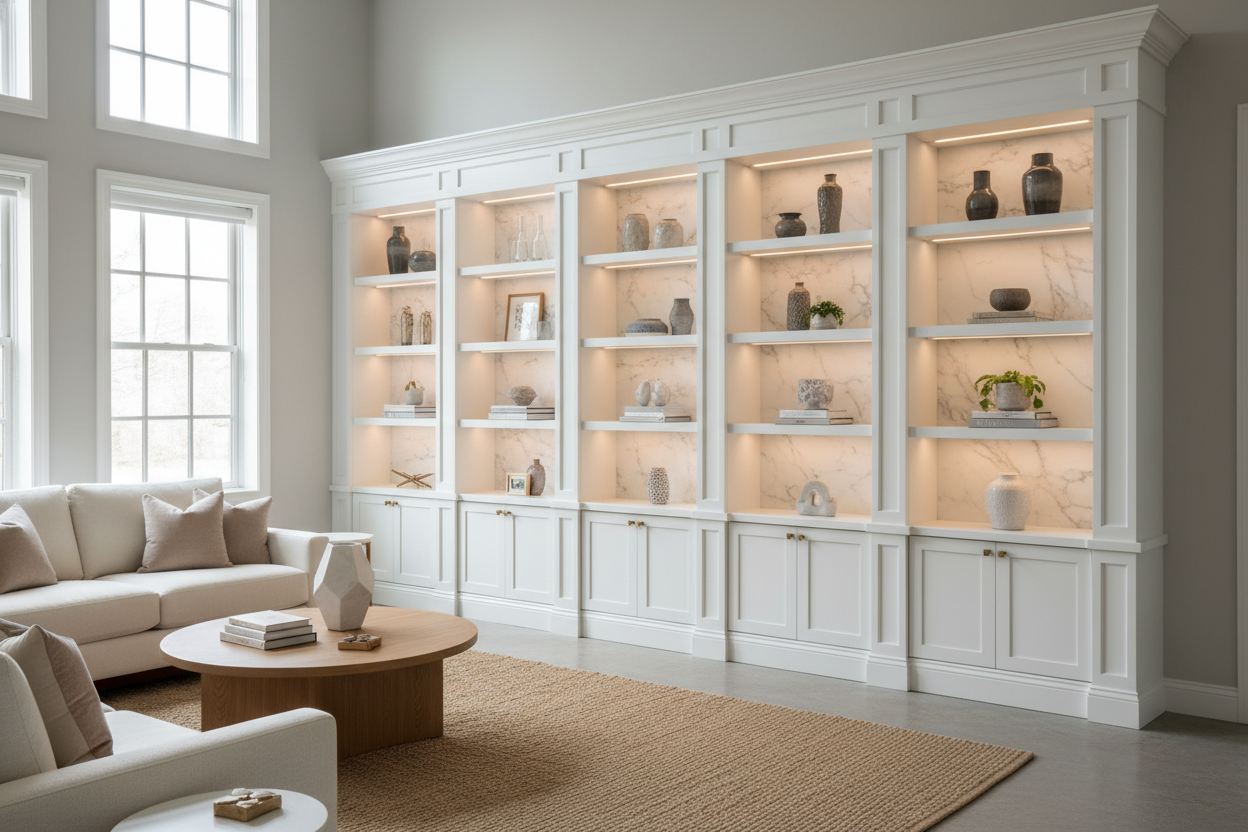
Don’t just line up your collectable cases on top of a dresser. The best way to display small collectibles is to nestle them into your bookshelves. Tuck a small collectible case between some art books and a potted plant. This 'layering' makes the collection feel like part of your life rather than a separate, untouchable entity.
If your bookshelves are too shallow for a standard box, don't force it. I’ve seen people let the edges of their display cases hang off the shelf by an inch—it’s a disaster waiting to happen. In those tight spots, or if you have an awkward nook, a corner display case can be a lifesaver. It uses that dead space in the corner of the room and provides a much deeper footprint for larger items without blocking your walking path.
Is glass better than acrylic for collectibles?
Glass is better for long-term clarity and scratch resistance, but it's heavy and breaks. Acrylic is much lighter and safer if you have kids or pets, but it attracts dust like a magnet and can yellow over time if it's cheap material.
How do I stop dust from getting inside the box?
Look for cases with a 'friction fit' or a recessed base. Avoid cases that just sit loosely on a flat plate; air (and dust) will get sucked in through the bottom every time the room temperature changes.
Should I get a mirrored back for my display case?
Only if you need to see the back of the item (like a signed jersey or a 360-degree sculpture). Otherwise, mirrors usually just create double the glare and make the space look busier than it needs to be.

Leave a comment
This site is protected by hCaptcha and the hCaptcha Privacy Policy and Terms of Service apply.