










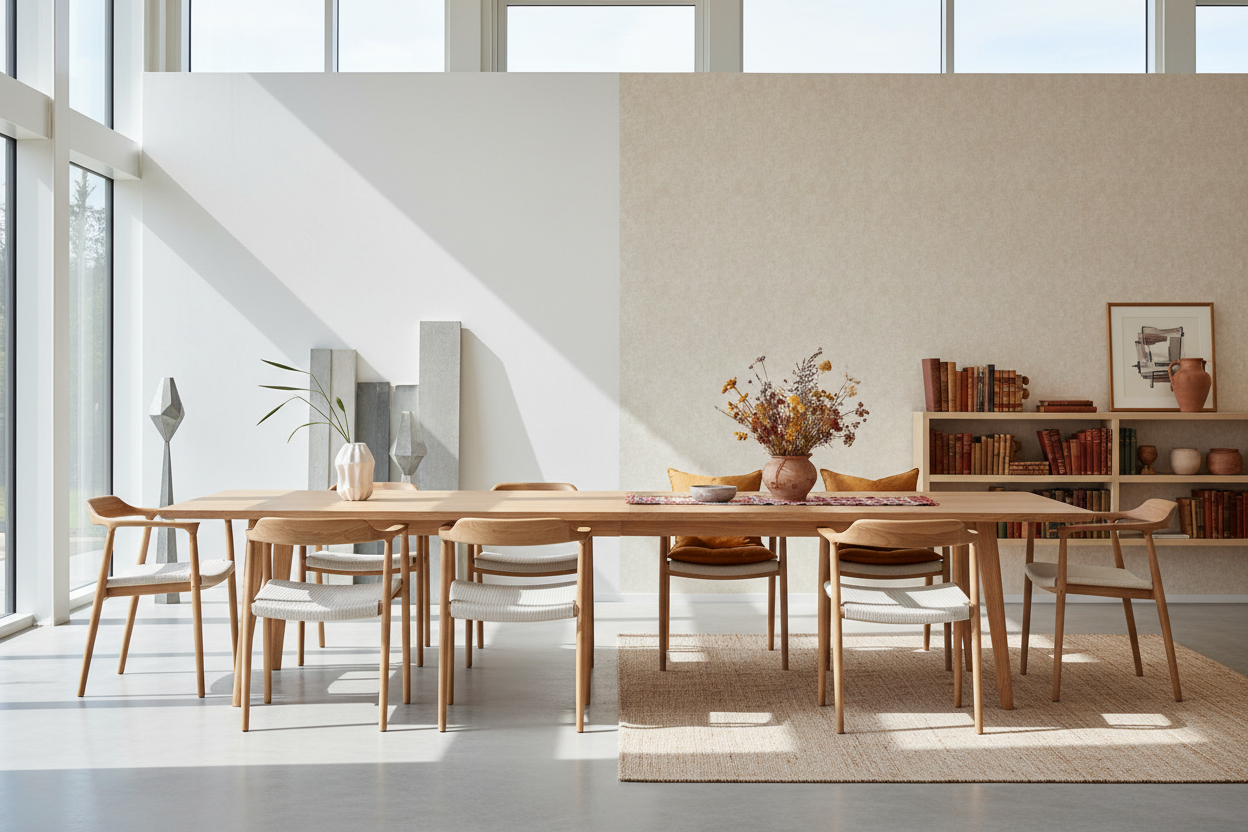
Choosing the right furniture often feels like a high-stakes gamble between aesthetics and practicality. You want something that looks stunning today but won't feel dated in five years. This is exactly where a light oak dining table set shines. Unlike dark mahogany that can dominate a room or glass tables that require constant cleaning, light oak offers a unique balance. It brings warmth without heaviness and durability without a harsh industrial feel. If you are looking to brighten a space while maintaining a sense of organic solidity, this material is likely your best option.
Light oak possesses a natural ability to reflect light rather than absorb it. In a dining area, which is often a gathering hub, this quality makes the room feel larger and more inviting. Whether you are furnishing a sun-drenched breakfast nook or a windowless dining alcove, the pale, honey-to-wheat tones of light oak serve as a neutral anchor that adapts to almost any interior design shift you might make in the future.
A Lesson Learned in Wood Tones
I learned the value of lighter wood the hard way. Years ago, I fell in love with a massive, dark walnut dining set. It looked regal in the showroom. However, once I wrestled it into my modest dining room, the atmosphere changed instantly. The room felt smaller, darker, and surprisingly serious. Dinner parties felt like board meetings.
After two years, I swapped it out for a light oak dining table and chairs. The transformation was immediate. The room breathed again. The grain of the oak hid dust and fingerprints far better than the dark finish ever did, and the psychological effect of the lighter wood made morning coffee feel less gloomy during winter months. That experience taught me that furniture isn't just about the piece itself; it is about how that piece interacts with the volume and light of the room.
Versatility Across Design Styles
One of the strongest arguments for investing in light oak dining sets is their stylistic agility. You might associate light wood strictly with Scandinavian design, and while it is a staple of the Nordic aesthetic, it is hardly limited to it. A chunky, solid light oak table fits perfectly into a modern farmhouse aesthetic, bridging the gap between rustic and refined.
Conversely, if your tastes lean toward Mid-Century Modern, you will find plenty of vintage-inspired light oak dining room sets featuring tapered legs and streamlined silhouettes. The wood acts as a blank canvas. Pair it with linen slipcovers for a coastal vibe, or velvet upholstery for something more eclectic. Because the base tone is neutral, you aren't locked into a specific color palette for your walls or rugs.
The Modern Contrast: Mixing Oak and Black
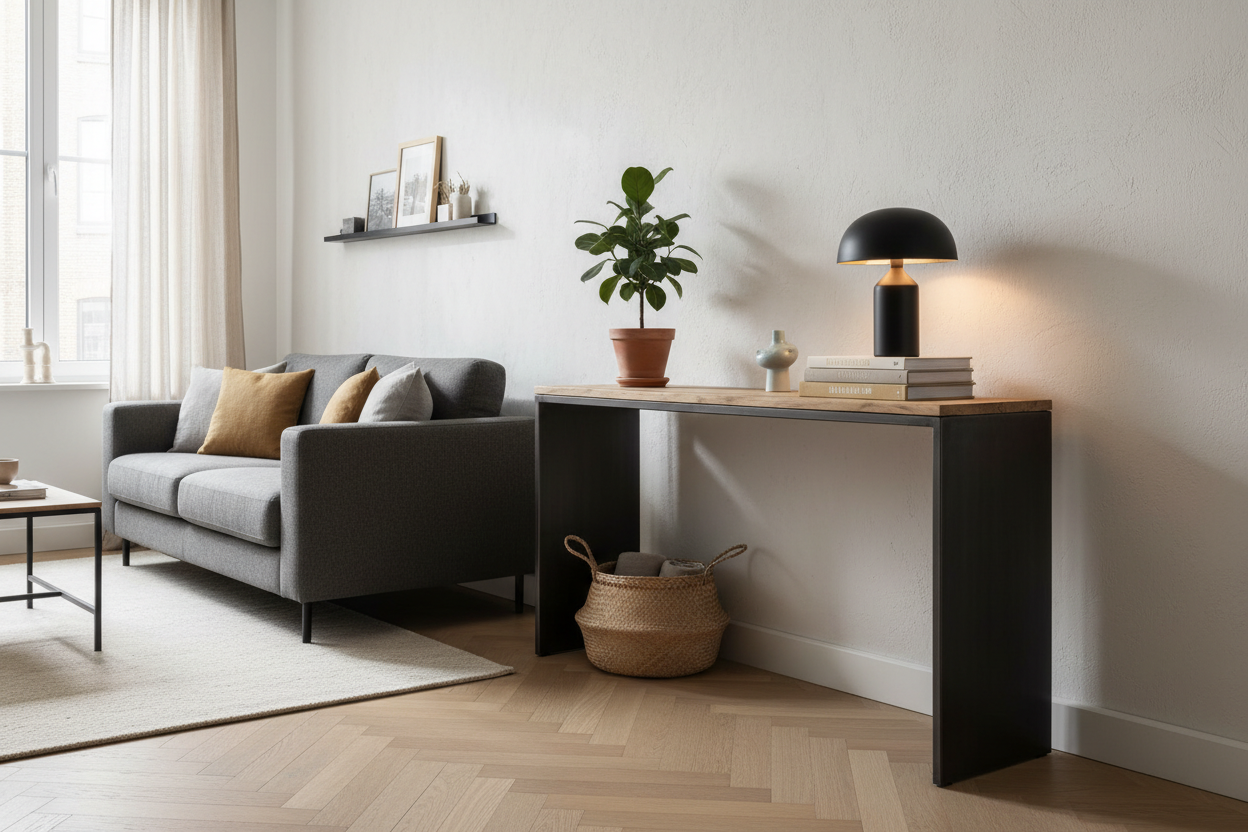
For those who worry that pale wood might look too washed out, the current trend of high-contrast furniture offers a brilliant solution. A light oak and black dining table is a striking choice that marries the warmth of nature with the sharpness of modern industrial design. Usually, this configuration features a solid oak top resting on black metal legs or a painted black wooden base.
This combination works exceptionally well in open-plan homes where the kitchen and dining areas merge. The black elements ground the space, providing a visual boundary, while the light oak top keeps the atmosphere airy. It is a sophisticated look that adds an edge to the room without sacrificing the inviting nature of the wood.
Solutions for Compact Living
Not everyone has a sprawling formal dining room. In apartments or homes with smaller footprints, heavy furniture is the enemy. A small light oak dining table is often the hero in these scenarios. Because the visual weight of the wood is low, it doesn't clutter the eye. A round pedestal table in light oak can seat four people comfortably without making a kitchen corner feel cramped.
When selecting light oak kitchen table and chairs for a compact area, look for extendable options. Drop-leaf or butterfly-leaf tables allow you to keep the footprint minimal for daily use while retaining the ability to host a dinner party. The continuity of color between the table and the floor (if you have lighter floors) or the contrast against darker floors can also help define zones in a studio apartment effectively.
Durability and Maintenance
Oak is a hardwood, making it naturally resistant to the dings and dents of daily life. However, the finish on your light oak dining room table and chairs matters. Oil finishes penetrate the wood, offering a matte, natural look that is easy to spot-repair but requires periodic re-oiling. Lacquer or varnish sits on top, providing a robust shield against spills but making chip repairs more difficult.
One specific advantage of light oak over darker woods is its ability to camouflage wear. Scratches on a dark stained table reveal the lighter wood underneath, making damage obvious. On a light oak dining table and chairs, minor scratches tend to blend in with the natural grain patterns, meaning your furniture maintains its appearance longer with less fuss.
Choosing the Right Chairs
Buying a set takes the guesswork out of matching, but don't feel obligated to buy a pre-packaged bundle if it doesn't suit your comfort needs. While many light oak table and chairs sets come with wooden seating, spending long hours on a hard surface isn't for everyone. Mixing a light oak table with upholstered chairs in grey, beige, or even bold colors like navy blue can elevate the look.
If you prefer the cohesive look of all-wood light oak dining room sets, consider adding seat pads. This adds a layer of texture and comfort while protecting the chair seats from rivets on jeans or pet claws. The goal is to create a space where people want to linger long after the meal is finished.
FAQ
Does light oak furniture turn yellow over time?
Yes, natural oak can develop a warmer, amber hue as it ages and is exposed to UV light. To minimize this yellowing, look for furniture finished with a UV-resistant lacquer or oil, and try to rotate your table accessories so the sunlight exposure is even across the surface.
How do I clean a light oak dining table?
For daily cleaning, use a soft, slightly damp microfiber cloth to wipe away dust and crumbs, followed immediately by a dry cloth to prevent moisture damage. Avoid harsh chemical cleaners or silicone-based polishes, as these can strip the finish or leave a sticky residue that attracts dirt.
What wall colors go best with light oak dining sets?
Light oak is incredibly versatile and pairs well with almost any color. For a calming, organic look, choose sage greens, soft whites, or warm greys. If you want to create drama and contrast, deep charcoal, navy blue, or forest green walls will make the light wood pop.

Leave a comment
This site is protected by hCaptcha and the hCaptcha Privacy Policy and Terms of Service apply.