










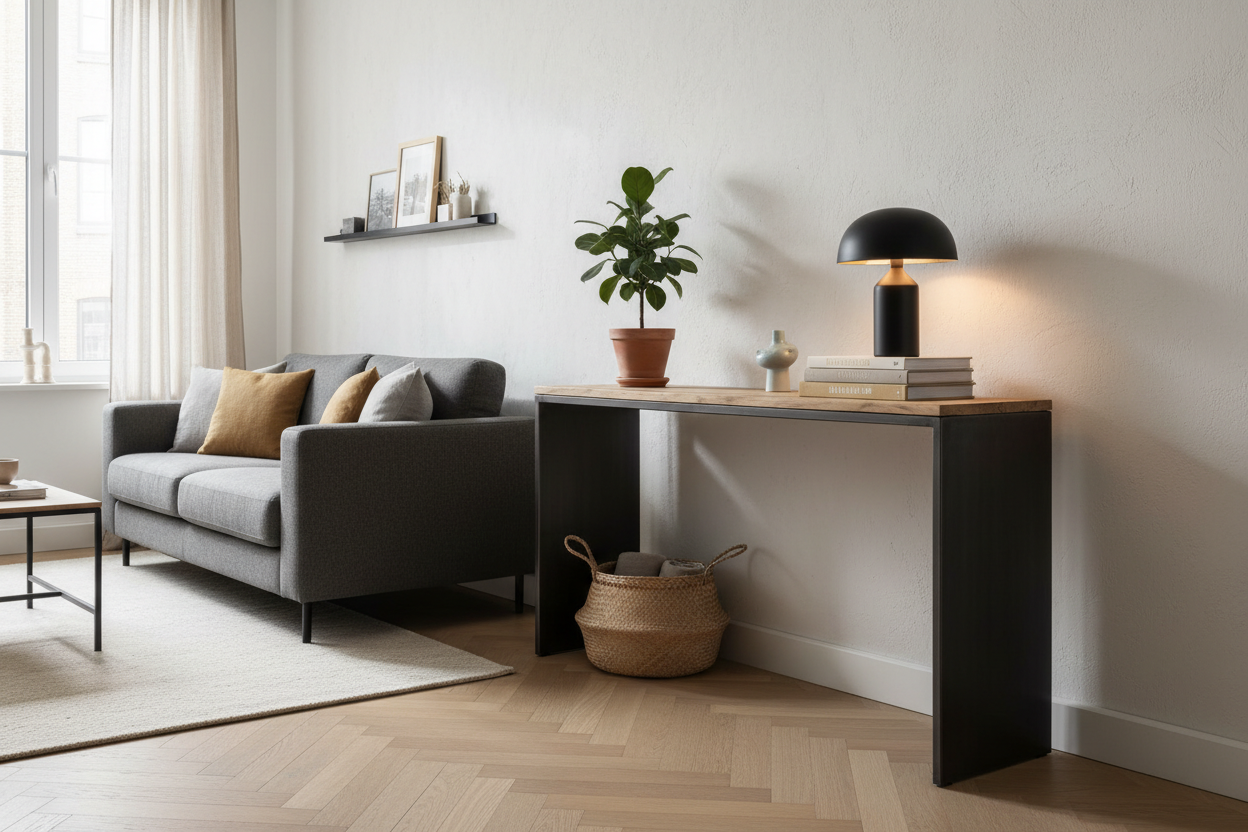
Furnishing a small living area requires creativity, practicality, and an eye for proportion. When every square foot matters, finding furniture that maximizes usability without overwhelming the room becomes a top priority. Among these adaptable furniture options, narrow tables for small spaces are compact, functional, and versatile pieces that can enhance the look and flow of your home while maintaining comfort and efficiency.
Why Narrow and Skinny Tables Make a Difference
Narrow tables for small spaces, sometimes referred to as skinny tables, are designed to fit easily where traditional furniture cannot. These tables are typically slimmer in width but retain a useful surface area for everyday activities such as dining, working, or decoration. Studies in spatial design demonstrate that maintaining visual openness encourages a sense of calmness and increased usability within confined environments. By opting for smaller, leaner furniture, you enable better movement and create the illusion of more space.
Understanding the Purpose Behind the Design
Skinny tables for small spaces are intentionally built to meet specific functionality needs. In a narrow hallway, a console table just a few inches deep can serve as a resting spot for keys or small accessories without restricting foot traffic. In studio apartments, a slim dining table can double as a workspace during the day. Their size contributes not only to efficiency but also to the flexibility of how a single room can adapt to multiple functions.
Dimensions and Materials That Work Best
When selecting narrow tables for small spaces, start by measuring the available area carefully. Tables between 10 and 18 inches deep often fit perfectly in compact settings. Wood remains a classic choice for warmth, while glass or acrylic designs can make the table visually disappear, giving a lighter, more spacious effect. Metal frames bring modern aesthetics and durability, making them ideal for mixed-use environments.
In independent studies of small home designs published in interior and architecture journals, lightweight furniture—both visually and in terms of actual mass—correlates with higher satisfaction for owners of compact homes. This evidence supports choosing slim-line materials and minimalistic profiles for everyday living comfort.
Optimizing Style Without Compromise
Functionality should never mean sacrificing style. Modern design flexibility allows you to choose narrow and skinny tables in various shapes and colors to complement your décor. Opt for neutral tones to create an airy feeling, or use a bold shade on a slender table to establish a design focal point that doesn’t monopolize visual space. Round or semicircular narrow tables soften angular furniture arrangements and improve balance within the room’s layout.
Placement Tips for Best Results
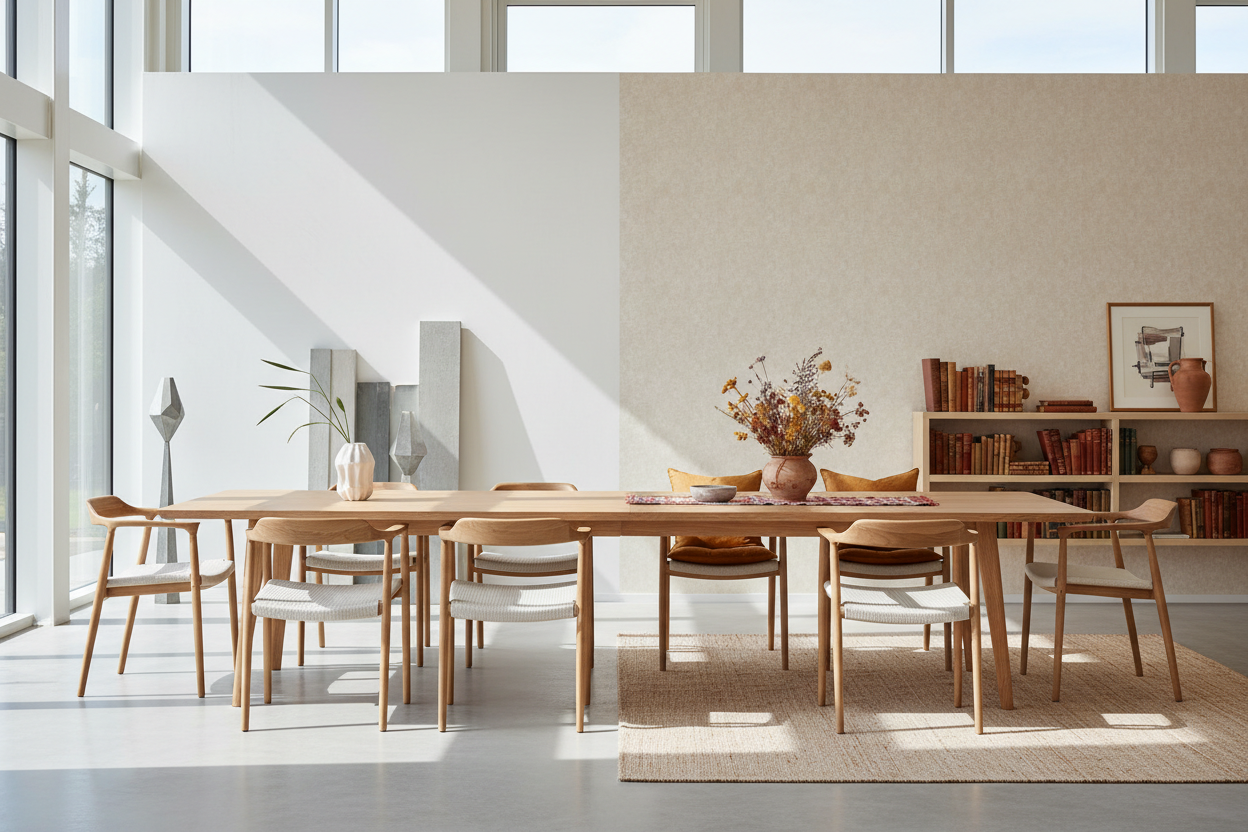
Placement is key to maximizing the value of skinny tables for small spaces. A narrow console behind a sofa can extend surface utility without crowding the room. Against a bare wall, a slim desk can create an efficient home office setup. If used in an entryway, ensure there’s at least 36 inches of clearance for easy access. For dining areas, slim rectangular tables positioned lengthwise along a wall can comfortably seat several people while preserving floor space.
Personal Experience: Living Comfortably in Compact Spaces
When I moved into a small city apartment, the limited square footage quickly exposed the need for clever furniture choices. I chose a narrow oak table that doubled as both desk and dining surface. Despite its slim shape, it comfortably accommodated two people for meals and offered enough workspace for my daily tasks. The real surprise was how much more open the living room felt—the absence of bulky furniture allowed natural light to circulate freely. This experience underscored the importance of selecting slim, purpose-driven pieces that feel intentional rather than restrictive.
How to Care for and Maintain Slim Tables
Caring for narrow tables for small spaces is generally straightforward. Regular cleaning and avoiding excess weight prevent surface warping or damage, particularly for wood or glass. For multifunctional skinny tables, using protective mats or covers preserves finishes from repeated use. A routine maintenance schedule extends longevity and ensures the piece maintains its aesthetic value long after purchase.
Evidence-Based Benefits of Narrow Furniture
Empirical data from housing and interior research consistently shows that minimizing furniture dimensions leads to improved space efficiency. Narrow tables align well with ergonomic guidelines, providing essential working or dining space while leaving enough walking area for comfort. Furthermore, furniture with reduced depth supports better accessibility and energy flow, particularly vital in multipurpose living areas.
Final Recommendations
For homeowners and renters alike, skinny tables for small spaces offer a combination of practicality, adaptability, and appeal. Start by considering your room’s needs—working, dining, or decorative—and align the table’s dimensions accordingly. Choose durable, easy-to-clean materials, and use smart positioning to maximize space perception. A thoughtful choice in table design ensures the environment remains both stylish and functional, elevating your living experience no matter the size.
Narrow tables for small spaces are more than a design trend: they are a well-researched response to modern living. With careful selection, they create harmony between aesthetic pleasure and everyday function, making every square inch count.

Leave a comment
This site is protected by hCaptcha and the hCaptcha Privacy Policy and Terms of Service apply.