










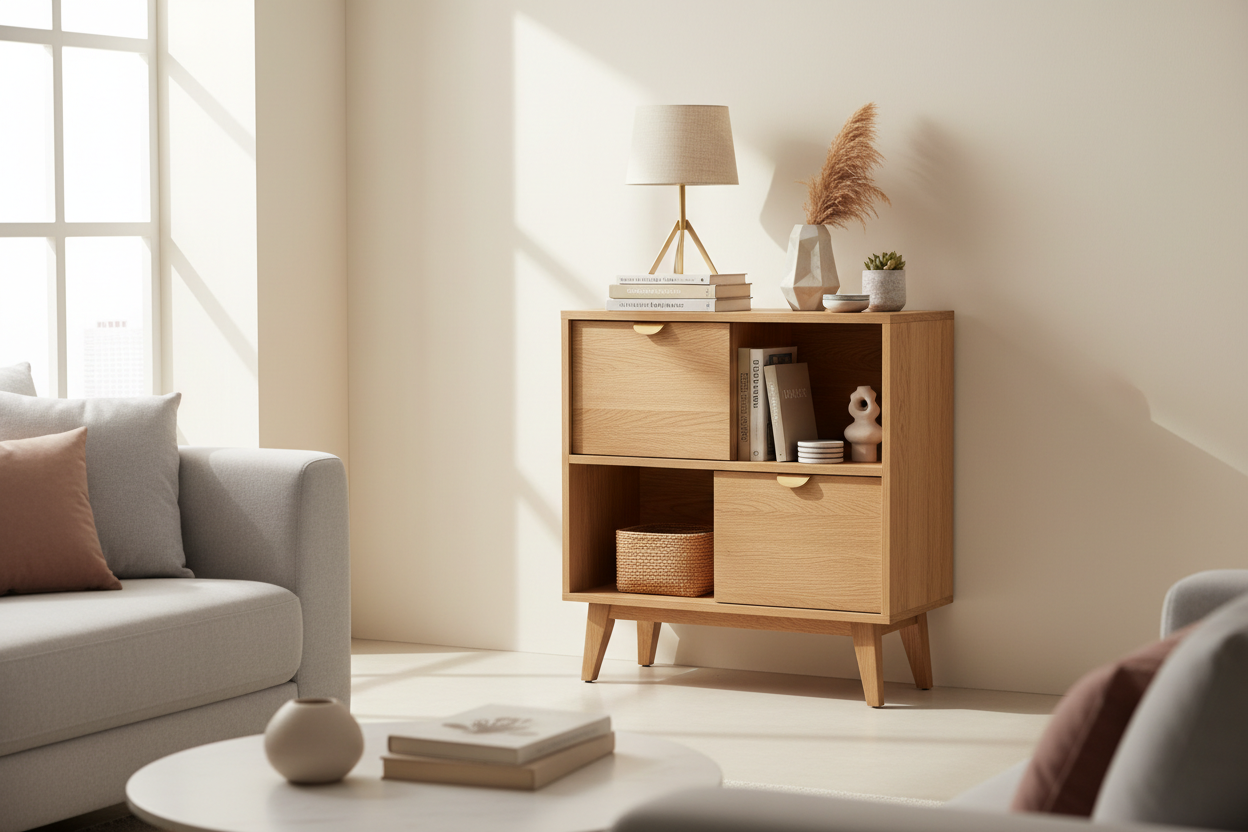
A small decorative cabinet serves as a versatile furniture piece designed to maximize vertical storage in compact areas while acting as a visual focal point. Unlike standard utility shelving, these accent pieces bridge the gap between functionality and art, offering a concealed place for clutter while elevating the room's overall aesthetic through unique finishes, hardware, or craftsmanship. Whether tucked into a hallway corner or serving as a nightstand, they provide essential organization without dominating the floor plan.
Finding the balance between personality and practicality in interior design is often a struggle, especially when square footage is limited. This is where accent furniture shines. These cabinets are not merely boxes for holding things; they are style anchors. They allow you to introduce bold colors, intricate textures, or vintage charm into a neutral space without the commitment of painting walls or replacing large furniture items like sofas.
My Experience with the "Hallway Problem"
I learned the true value of these pieces in my first apartment, which had an entryway so narrow that two people couldn't walk side-by-side. For months, mail, keys, and dog leashes piled up on a dining chair because there was simply nowhere else to put them. I eventually found a distressed teal cabinet at a local estate sale. It was shallow—only about 12 inches deep—but stood tall enough to make a statement.
That single piece of furniture changed the entire flow of the home. The drawers caught the daily junk mail, the bottom shelf hid the dog walking gear, and the top surface became a dedicated spot for a lamp and a key tray. It taught me that you don't need a massive renovation to fix a storage issue; often, you just need the right piece of freestanding joinery to do the heavy lifting.
Identifying the Perfect Spot
Most homeowners underestimate where these cabinets can actually fit. We typically think of them against a living room wall, but their utility extends far beyond that. The bathroom is a prime candidate. Pedestal sinks look lovely but offer zero storage. A slender cabinet with glass doors can hold rolled towels and toiletries, turning bathroom necessities into a display while keeping the counters clear.
The Living Room End Table Replacement
Standard end tables are often wasted space. They provide a surface for a drink, but underneath, there is just air. Swapping a leggy table for a small chest or enclosed cabinet instantly triples your storage capacity. You gain a place to stash remote controls, coasters, and magazines that usually clutter the coffee table. Visually, this adds weight and grounding to the seating area, making the room feel cozier and more curated.
Dining Room Buffets on a Diet
Not every dining room can accommodate a six-foot sideboard. In smaller dining nooks, a compact two-door cabinet works perfectly as a mini-buffet. It can hold table linens, napkin rings, and special occasion candles. During a dinner party, the top surface is still sufficient to hold a dessert spread or a drink station, proving that footprint size doesn't dictate hosting capability.
Choosing Materials and Finishes
The market is flooded with options, so narrowing down the material is crucial for longevity and style. Solid wood pieces, such as those made from mango wood, oak, or pine, offer durability and can be refinished later if your tastes change. These pieces often feature natural grain patterns that add warmth to a sterile room.
Painted finishes offer a different advantage. If your room feels heavy with wood tones—wood floors, wood coffee table, wood trim—a painted cabinet breaks up the monotony. A high-gloss lacquer finish can introduce a modern, sleek vibe, while a chalk-paint finish with distressed edges leans into the farmhouse or cottage aesthetic. Don't overlook mixed materials either. Cabinets featuring metal inlays, mirrored fronts, or rattan door panels add texture that can make a small room feel dynamic rather than flat.
Hardware and Details Matter
Since the surface area of a small cabinet is limited, the details become much more noticeable. The hardware is the jewelry of the piece. Oversized brass pulls, ceramic knobs, or intricate iron latches can make an inexpensive cabinet look like a high-end antique. If you find a piece that fits your dimensions perfectly but looks a bit plain, swapping out the factory hardware for custom knobs is an easy five-minute upgrade that drastically changes the look.
Pay attention to the legs as well. Cabinets that sit flush on the floor provide the most interior volume, but they can look heavy. Pieces raised on tapered legs or bun feet create a sense of airiness. In really tight spaces, being able to see the floor extending underneath the furniture tricks the eye into thinking the room is larger than it is.
Quality Checks Before Buying
Photos can be deceiving. When shopping, check the drawer joinery. Dovetail joints generally indicate better construction than glued or stapled fronts. Open the doors and check the hinges. Are they adjustable? Over time, doors on cabinets can sag; adjustable hinges allow you to realign them easily. Also, consider the weight of the piece. A cabinet made of particleboard might tip over easily if the doors are heavy, so look for units that come with wall-anchoring kits, especially if you have children or pets.
Interior shelving adjustability is another factor that often gets ignored until you try to put something inside. Fixed shelves limit what you can store. If you plan to store tall items like vases or liquor bottles, ensure the interior shelves can be moved or removed entirely.
Styling Your New Piece
Once the cabinet is in place, styling the top is the final step to integrating it into your home. The "rule of three" is a reliable guideline here. Group three items of varying heights: perhaps a tall table lamp, a medium-sized plant, and a low decorative tray or stack of books. This creates a balanced, triangular composition that is pleasing to the eye.
Avoid cluttering the surface. The goal of the cabinet is to hide clutter inside, not create a new surface for it to accumulate on top. Keep the display intentional. If the cabinet has glass doors, the interior display matters too. Treat the inside like a shadow box—group items by color or theme to prevent it from looking messy.
Common Questions About Decorative Cabinets
How do I stop a lightweight cabinet from wobbling on carpet?
If the cabinet is light and sits on plush carpet, it may be unstable. Use carpet shims (plastic wedges with spikes on one side) under the feet to level the piece and grip the carpet backing. Anchoring the top back of the cabinet to the wall is the safest and most permanent solution to prevent wobbling and tipping.
Can I paint a laminate cabinet to match my decor?
Yes, but you cannot paint directly over the shiny surface. You must first sand the laminate lightly to create a rough texture for adhesion, then apply a high-quality bonding primer designed for slick surfaces. Once the primer cures, you can apply your chosen paint color.
What is the difference between a chest, a cabinet, and a commode?
While the terms are often used interchangeably, a chest usually consists of drawers only. A cabinet typically features doors with shelves inside, though it may have a drawer on top. A commode is a specific type of low, decorative French chest of drawers or cabinet, often with a bowed front and short legs, meant to stand against a wall.


Leave a comment
This site is protected by hCaptcha and the hCaptcha Privacy Policy and Terms of Service apply.