










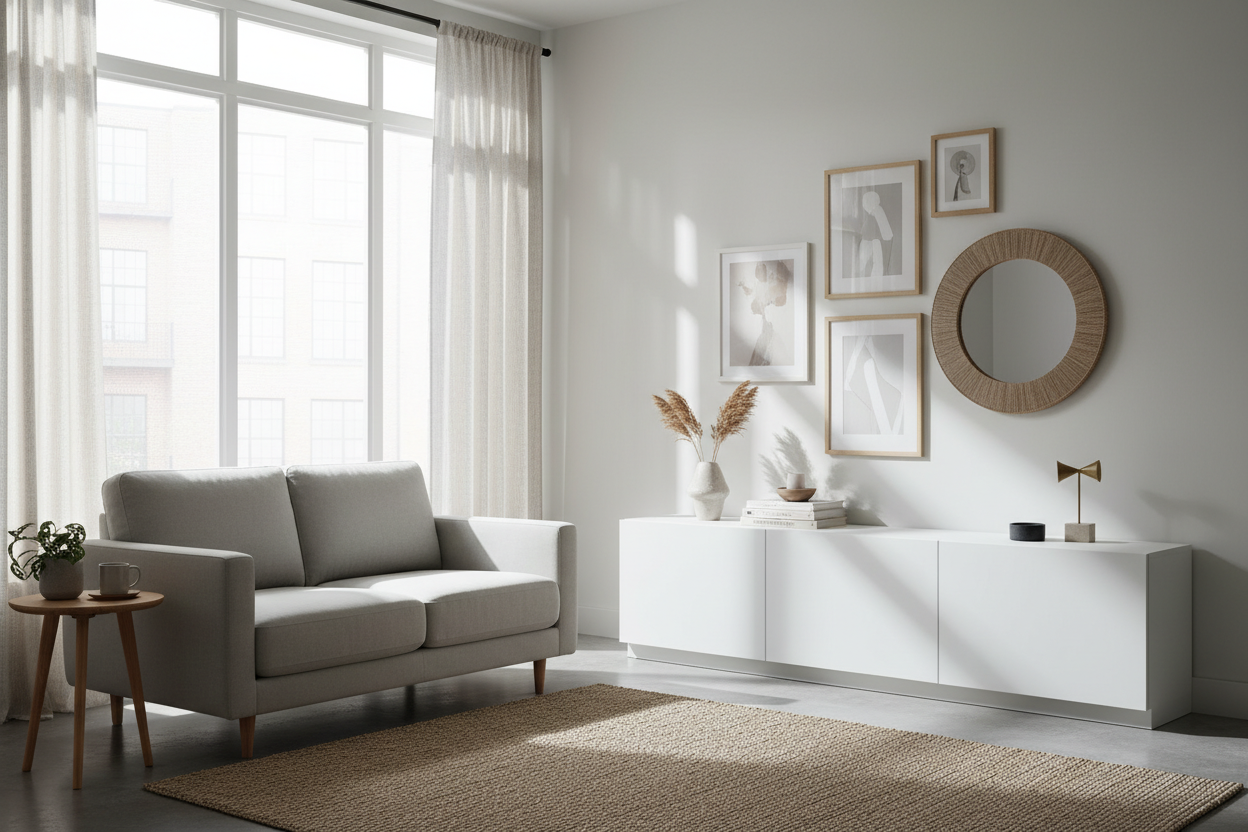
I spent three years walking sideways through my own hallway because of a 'standard' console table. It was a beautiful piece of kiln-dried oak, but at 19 inches deep, it was a literal obstacle. I finally got fed up after catching my pocket on the handle for the tenth time and swapped it for a shallow cabinet. The difference wasn't just aesthetic; it changed how I moved through my home.
Quick Takeaways
- Standard 18-inch depth is overkill for most modern floor plans and creates unnecessary bottlenecks.
- Shallow storage (10-13 inches) easily accommodates 90% of household items like books, plates, and electronics.
- Narrow profiles prevent the 'black hole' effect where items get lost in the back of deep shelves.
- Reduced-depth pieces are essential for functional entryways and tight dining areas.
The 18-Inch Default is Ruining Your Floor Plan
Most furniture manufacturers are stuck in a 1970s mindset, designing pieces for sprawling suburban floor plans. They build everything to a default 18-to-24-inch depth. While that works for a massive kitchen island, it’s a disaster for a modern apartment or a renovated bungalow. When you try to force a large sideboard display buffet into a narrow dining room, you lose the ability to actually walk around the table.
Switching to a shallow depth cabinet is the smartest move you can make for your traffic flow. A narrow base cabinet provides the surface area you need for a lamp or a drink without eating up two feet of floor space. I’ve seen 12-inch deep pieces completely open up a room that previously felt like a cluttered warehouse. It’s about reclaiming those six to eight inches of clearance that the industry tries to steal from you.
What Can You Actually Fit Inside a Shallow Cabinet?
The biggest myth in furniture is that 'deeper is better.' In reality, deep cabinets are just places where things go to be forgotten. A shallow storage cabinet with doors is surprisingly capable. A standard dinner plate is 10.5 inches. A hardcover book is about 9 inches. Even a bulky gaming console or a stack of folded linens fits perfectly in a 12-inch deep space.
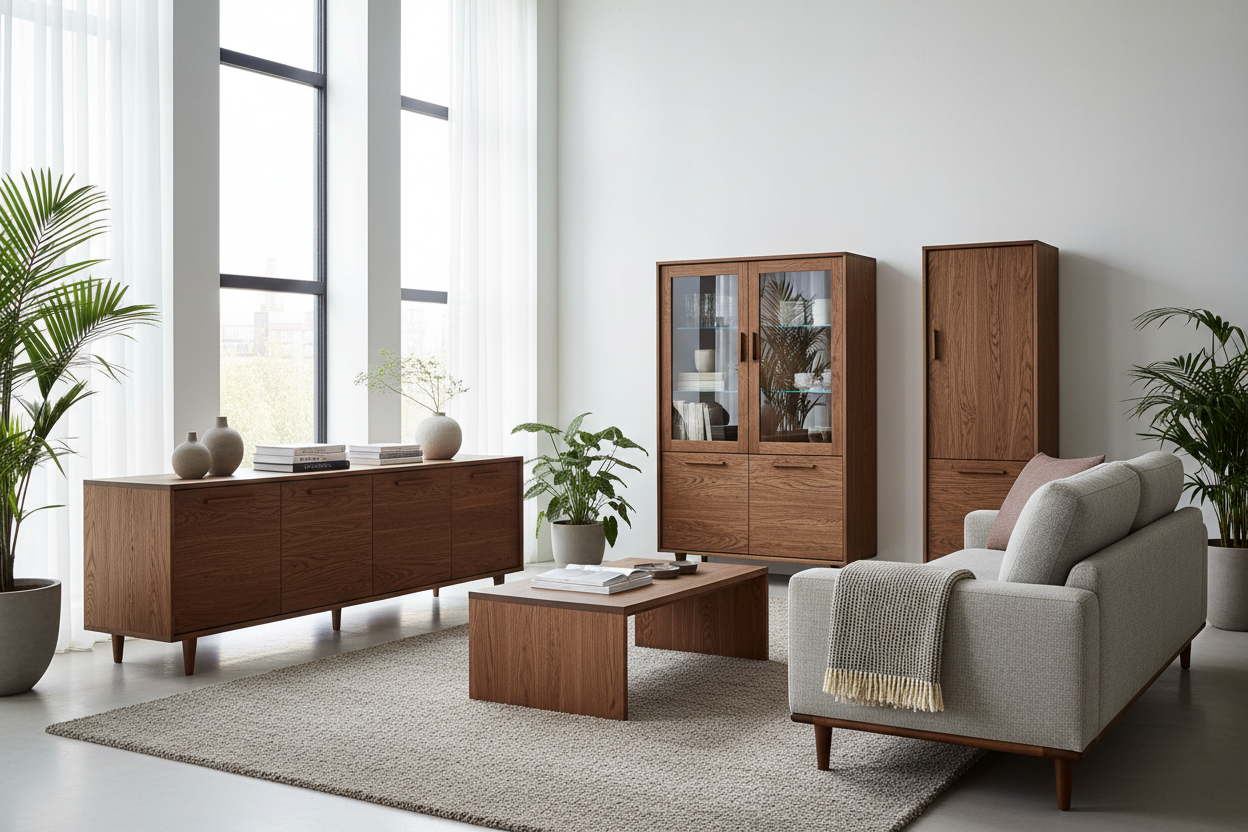
If you’re worried about it looking too utilitarian, opt for a black cabinet with glass doors. It creates a high-end, curated look for your glassware or ceramics without the heavy footprint of a traditional hutch. Whether you're looking at shallow kitchen base cabinets for extra pantry space or a shallow depth storage cabinet for the office, you'll realize that most of what you own simply doesn't need that extra six inches of air behind it.
The 'One Row' Rule Keeps You Organized
My favorite thing about shallow cupboard storage is the forced organization. When you only have 11 inches of depth, you can't double-stack items. This eliminates the 'black hole' effect where you buy a third jar of paprika because the first two are buried behind a giant bag of flour. In a narrow depth cabinet, everything is front and center. It’s visual inventory management without the effort.
3 Awkward Zones Begging for a Slim Base Cabinet
We all have those 'dead' zones in our homes. For me, it was the wall behind the dining table. A standard buffet meant guests had to squeeze past each other. A shallow base cabinet with drawers solved it instantly. Here are three spots where a slim profile is a lifesaver:
- The Entryway: Most foyers are too narrow for a standard chest. A shallow floor cabinet gives you a spot for keys and mail without blocking the front door.
- The Narrow Hallway: If you have a long, boring hall, a shallow shelf cabinet adds character and storage without making the space feel like a subterranean tunnel.
- The Small Dining Room: Using shallow depth kitchen cabinets along one wall provides a 'built-in' look that leaves plenty of room for chair clearance.
I’ve found that a shallow depth display cabinet fixes awkward rooms by providing a focal point in areas that are too tight for traditional furniture. It’s the difference between a room that feels 'furnished' and one that feels 'crammed.'
How to Style a Shallow Accent Cabinet So It Doesn't Look Puny
One common fear is that a shallow accent cabinet will look 'thin' or cheap. The trick is to anchor it vertically. Because the piece has a small footprint, you need to use the wall space above it to create balance. Hang a piece of oversized art or a large mirror that is roughly 75% of the cabinet's width. This draws the eye upward and makes the entire setup feel intentional and substantial.
On the surface, avoid clutter. Use a tray to group smaller items like candles or coasters. This gives the top of a narrow depth accent cabinet a sense of depth it might otherwise lack. I also love using a tall, slim lamp—think a pharmacy-style lamp—to add height without taking up the limited surface area. If the piece feels too light, choose a shallow metal cabinet for an industrial, weighted look that feels permanent.
Personal Experience: The Tipping Point
I'll be honest: I once bought a 10-inch deep 'skinny base cabinet' and didn't anchor it. Three days later, my cat decided it was a launching pad, and the whole thing came crashing down. Because shallow furniture has a higher center of gravity, you MUST use the wall anchors. Don't skip this step. Even the most expensive shallow depth furniture is prone to tipping if it’s top-heavy with books or dishes.
FAQ
How deep is a 'shallow' cabinet?
In the furniture world, 'shallow' typically refers to anything between 10 and 13 inches deep. Anything less than 10 inches is usually considered a picture ledge or a spice rack, while anything over 15 inches starts moving into standard territory.
Can a shallow cabinet hold a printer?
Most standard home printers need about 12 to 14 inches of depth. Check your printer's specs, but many will fit on a 13-inch shallow depth storage cabinet with just a tiny bit of overhang, or you can find specific narrow depth cabinet with drawers designed for office use.
Do shallow cabinets look weird next to standard ones?
Not if you're intentional. I wouldn't line them up side-by-side like a jagged staircase. However, using a narrow base kitchen cabinet at the end of a run of standard cabinets can create a nice transition into a walkway or breakfast nook.

Leave a comment
This site is protected by hCaptcha and the hCaptcha Privacy Policy and Terms of Service apply.