










I have spent entirely too many nights staring at that one awkward corner in my living room. You know the one—it is too small for a loveseat, yet too big to leave empty without the room feeling unfinished. For a while, I tried the 'influencer' fix: a six-foot faux olive tree that looked great in photos but, in reality, just collected thick layers of dust and looked like a sad, plastic stick. That was before I discovered that a floor display stand is the actual architectural solution for dead space.
Quick Takeaways
- Stop stuffing chairs into corners where nobody can actually sit.
- A floor standing display adds vertical height to rooms dominated by low sofas.
- Negative space is your friend; don't over-style every single shelf.
- Enclosed glass units are the only way to go if you hate dusting vintage collections.
The 'Dead Corner' Epidemic (And Why Accent Chairs Don't Work)
We have all been there. You have three feet of clearance between the window and the TV console, so you buy a 'statement' accent chair. Then you realize you can't actually sit in it without hitting your knees on the coffee table. It becomes a glorified laundry hamper. Or worse, you go the opposite route and try to shove heavy bookcases display cabinets into a space that really needs something airier. The room ends up feeling claustrophobic and lopsided.
A floor display stand is the hero here because it has a small footprint but massive visual impact. It provides a dedicated spot for your 'weird' items—that lumpy ceramic bowl you made in college, your grandmother's brass binoculars, or your over-the-top sneaker collection—without the bulk of a traditional cupboard. It is about filling the volume of the corner, not just the floor space.
Why a Floor Standing Display Acts Like Instant Architecture
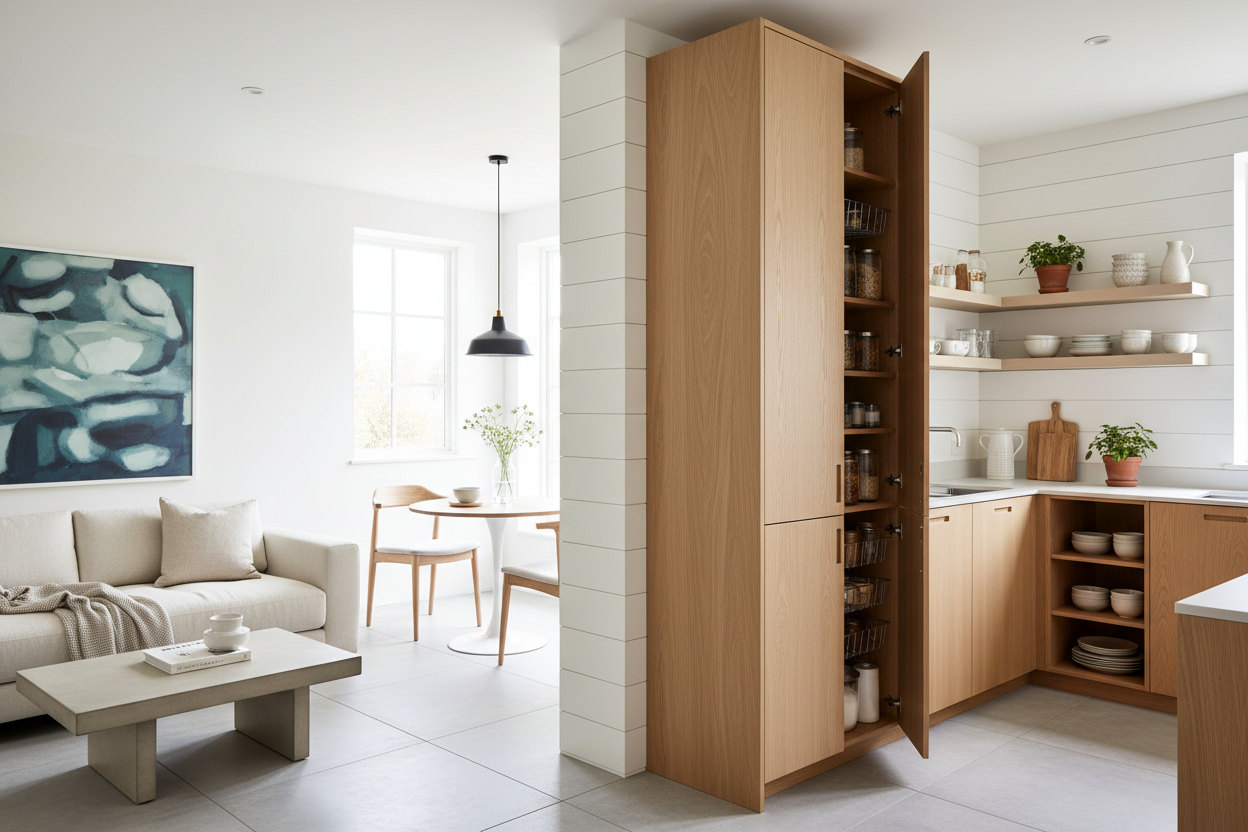
Most living rooms suffer from 'horizontal-itis.' Everything—the sofa, the media unit, the coffee table—is roughly the same height. This makes a room feel flat and uninteresting. A tall, structured floor standing display draws the eye upward, making your ceilings feel higher than they actually are. It creates a vertical line that breaks up the monotony.
I have used a slim display floor stand in my narrow hallway to break up that long 'bowling alley' vibe, and it worked wonders. It is less about storage and more about creating a focal point in a transitional space. If you are on the fence, the professional consensus in Floor Standing Display Cabinet What Designers Actually Think confirms that these freestanding units are the easiest way to add architectural 'bones' to a rental without losing your security deposit.
How to Style Floor Standing Display Stands Without Looking Like a Store
The biggest risk with floor standing display stands is the 'boutique' effect. You don't want your living room to look like a shop window for sunglasses. To avoid this, I live by the rule of thirds. One third of your shelves should hold books (stacked both vertically and horizontally), one third should feature organic shapes like ceramics or a trailing plant, and—this is the hard part—one third should be left completely empty.
That empty space is what makes it look like a curated home rather than a retail display. Mix your textures. If you have a sleek metal stand, add some rough-hewn wood or a piece of driftwood. If the stand is oak, go for glass and brass accents. The goal is to make it look like these items have been gathered over years, even if you bought half of them on a Tuesday afternoon binge.
Enclosed vs. Open: Picking Your Display Vibe
This comes down to how much you hate cleaning. An open floor display rack is airy, casual, and perfect for things you grab often, like art books or your favorite headphones. It feels modern and doesn't block light. However, if you are displaying delicate vintage glassware or anything with a million tiny crevices, you will regret an open rack within three weeks of dust accumulation.
For the collectors, I always suggest an enclosed unit. Something like this Elegant Corner China Cabinet With Shelves And Frosted Glass Doors Space Saving Display Solution is a lifesaver. It keeps the dust out while the frosted or clear glass adds a layer of polish. It feels more intentional and 'grown-up' than a basic wire rack, and it protects your breakables from the occasional rogue vacuum cleaner bump.
When One Stand Isn't Enough: Thinking Bigger
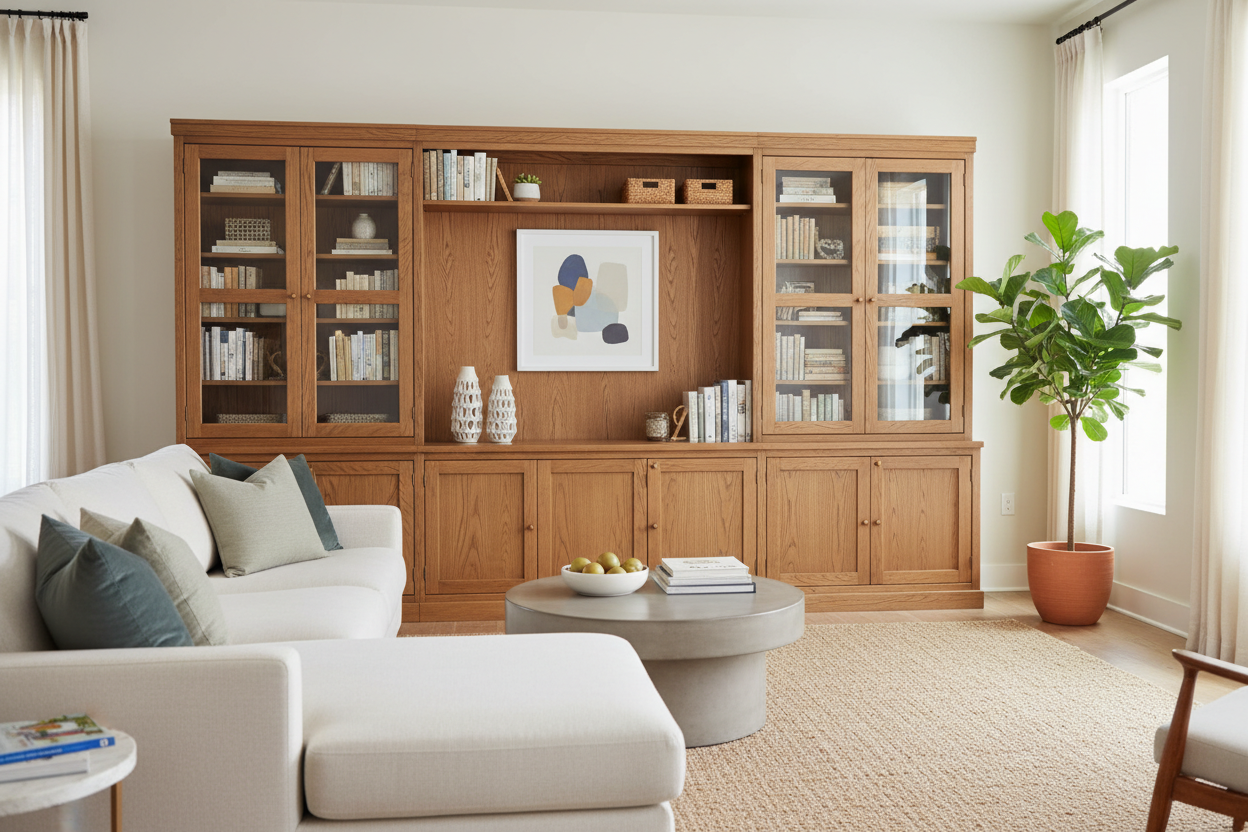
Sometimes a single corner isn't the problem; sometimes the whole room lacks a soul. If you find that one stand has transformed your corner, don't be afraid to scale up. You can group two or three identical stands together to create a modular library look that feels custom-built. It is a great way to anchor a large, open-concept room that feels a bit too 'floaty.'
If you have a massive collection of records, cameras, or sneakers, one stand will quickly look cluttered. In that case, you might want to Stop Wasting Floor Space: Build a Display Cases Wall Instead. Transitioning from a single stand to a full wall system can turn a boring wall into a personal museum. It is about committing to the look rather than just filling a gap.
My Personal Experience
I once bought a cheap, three-legged floor standing display because it looked 'minimalist' online. The second I put a heavy stack of design books on the top shelf, the whole thing developed a terrifying lean. I spent three months terrified it would crush my cat before I finally upgraded to a unit with adjustable leveling feet. If your floors are even slightly uneven (and in an old apartment, they are), do not buy a stand without adjustable feet. It is the difference between a gallery look and a garage sale look.
FAQ
Will a floor display stand tip over?
Any tall, narrow piece of furniture is a tip hazard. Most quality stands come with a wall anchor kit. Use it. It takes five minutes and prevents a disaster, especially if you have kids or pets.
How tall should a display stand be?
For most rooms with standard 8-foot ceilings, look for something between 60 and 72 inches. Anything shorter than 5 feet can look a bit 'squat' in a corner and won't provide that architectural height we are looking for.
Are glass shelves better than wood?
Glass shelves allow light to pass through, which is great for showing off the items on lower levels. However, wood is much more forgiving with fingerprints and doesn't require constant Windex sessions. If you have kids, go with wood or metal.

Leave a comment
This site is protected by hCaptcha and the hCaptcha Privacy Policy and Terms of Service apply.