










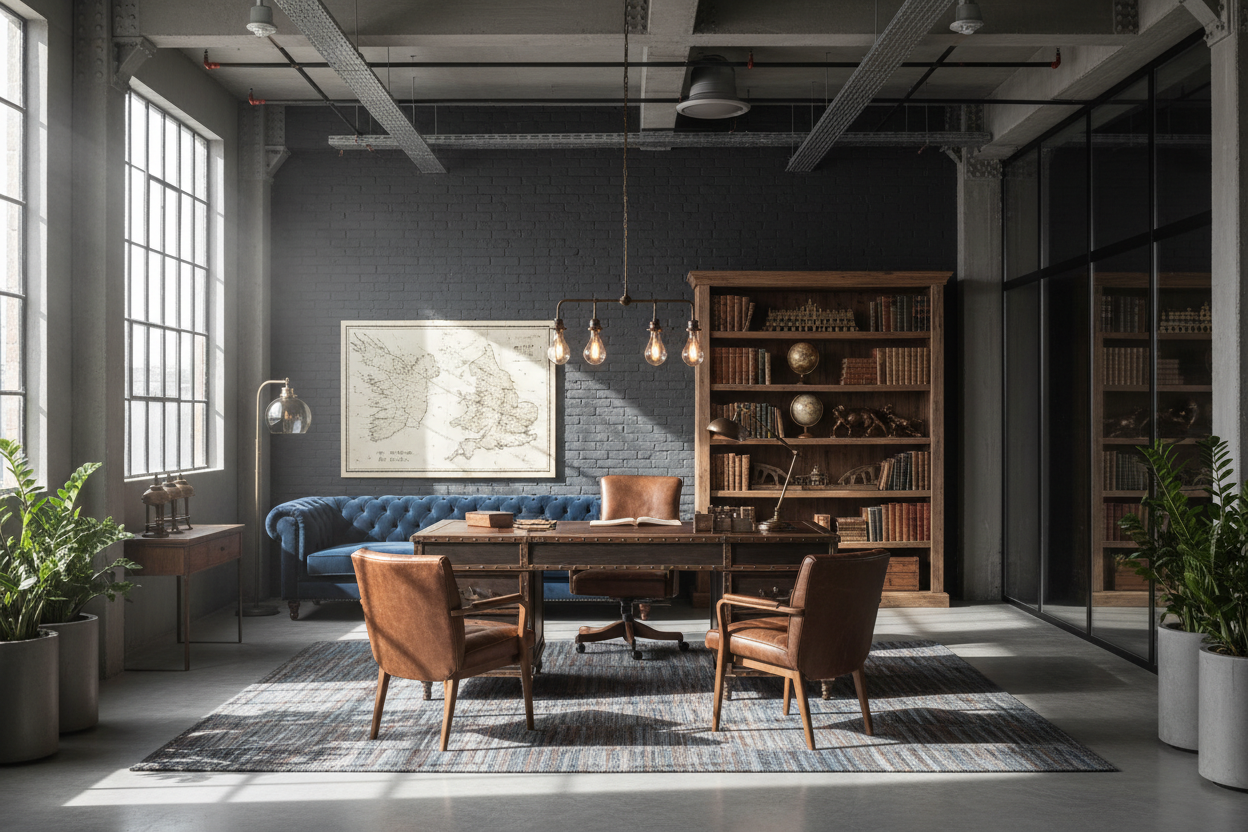
Finding the balance between authoritative heritage and contemporary comfort is a common dilemma for many homeowners. We often crave spaces that feel established and grounded, yet we fear creating a room that feels like a museum exhibit rather than a living space. This is where the rising appreciation for the ministry of interior uk aesthetic comes into play—a design philosophy rooted in British craftsmanship, structured silhouettes, and substantial materials.
Whether you are curating a home office that commands respect or a living room that blends industrial functionality with velvet luxury, understanding the nuances of this style is essential. As a designer, I have seen how misinterpreting this look can lead to dark, heavy interiors. Below, I will guide you through selecting the right pieces to achieve that sophisticated, curated atmosphere.
Key Features to Look For
Before investing in heavy furniture or heritage decor, use this checklist to ensure the pieces align with the authentic aesthetic while maintaining functionality:
- Material Integrity: Prioritize solid oak, walnut, or mahogany over veneers. The tactile experience is crucial to this style.
- The Palette: Look for deep, moody tones—Hunter Green, Navy, and Oxblood—balanced by warm metallics like brushed brass or antique bronze.
- Silhouette: Furniture should feature strong, architectural lines. Avoid overly slouchy profiles; think structured Chesterfields or mid-century institutional desks.
- Durability: High rub-count fabrics (velvet or wool) and joinery that withstands daily use are non-negotiable.
Decoding the Materials: Substance Over Style
When sourcing furniture that fits the interior ministry uk vibe, the conversation must start with materials. This aesthetic rejects the disposable nature of fast furniture. You are looking for weight and permanence.
Woods and Finishes
In my showroom experience, the biggest error clients make is mixing too many wood grains. To nail this look, stick to darker, matte-finished woods. A high-gloss finish often feels too modern or cheap. Look for pieces that have been oiled or waxed, allowing the natural grain to serve as the primary texture in the room. If you are selecting a desk or cabinetry, check the drawer construction—dovetail joints are a hallmark of the quality this style demands.
Metals and Accents
The ministry of the interior uk trend relies heavily on hardware to break up the visual weight of dark wood. Avoid shiny chrome. Instead, opt for unlacquered brass or blackened steel. These living finishes will patina over time, adding a layer of history and character to the piece that factory-perfect finishes simply cannot replicate.
Spatial Planning and Layout
Because this furniture style tends to be visually heavy, your floor plan is critical. A common mistake is overcrowding. These pieces need negative space to breathe.
If you are placing a substantial leather armchair or a heavy mahogany sideboard, ensure there is ample circulation space around it. In a recent project, we used floating furniture arrangements—pulling the sofa away from the walls—to prevent the room from feeling boxy or claustrophobic. This allows light to travel around the furniture, highlighting the silhouette rather than hiding it in the shadows.
Lighting the Mood
You cannot have a conversation about this aesthetic without addressing lighting. The goal is not to flood the room with brightness, but to create pockets of illumination. Use architectural task lighting—articulated brass lamps or banker’s lamps with a modern twist. The light should hit the texture of the wood or the weave of the fabric, creating depth and drama.
Lessons from My Own Projects
I want to share a specific realization I had while sourcing for a townhouse in Clerkenwell. We were trying to achieve this specific British heritage look using a massive, vintage-inspired partner's desk—a quintessential ministry of interior uk piece.
On paper, it was perfect. However, once installed, I realized something the catalog didn't show: the cable management was non-existent. Historic or heritage-style pieces often forget modern technology. We ended up having to drill into a £3,000 desk to hide the wires, which was nerve-wracking.
Another detail to watch is the "fingerprint factor." We used a stunning matte navy cabinetry that looked incredible in photos, but in daily use, it held onto natural oils from fingertips relentlessly. If you are going for those deep, matte finishes, make sure you are prepared for the maintenance or choose a finish with a slight sheen or grain to mask daily wear. It’s these unpolished realities that determine whether you love living with the furniture, or just looking at it.
Conclusion
Adopting the Ministry of Interior UK aesthetic is about more than just buying dark furniture; it is about curating a sense of permanence and history. By focusing on honest materials, proper spatial flow, and appropriate lighting, you can create a space that feels both authoritative and deeply inviting. Trust your eye, prioritize quality, and don't be afraid of the dark.
Frequently Asked Questions
How do I maintain the matte wood finishes common in this style?
Avoid silicone-based polishes which can create a sticky buildup. Instead, use a high-quality beeswax polish once every six months to feed the wood, and dust weekly with a dry microfiber cloth to prevent grit from scratching the surface.
Can I use this style in a small apartment?
Yes, but scale is key. Instead of a massive Chesterfield sofa which might overwhelm a small room, opt for a leather club chair and a slim-profile architectural desk. Use mirrors with antique brass frames to bounce light and expand the visual space.
Is this aesthetic suitable for a family home?
Surprisingly, yes. Heavy woods and dark leathers are incredibly forgiving of wear and tear. Leather, in particular, often looks better with the scuffs and scratches of family life, developing a unique patina that pristine fabrics cannot offer.

Dejar un comentario
Este sitio está protegido por hCaptcha y se aplican la Política de privacidad de hCaptcha y los Términos del servicio.