










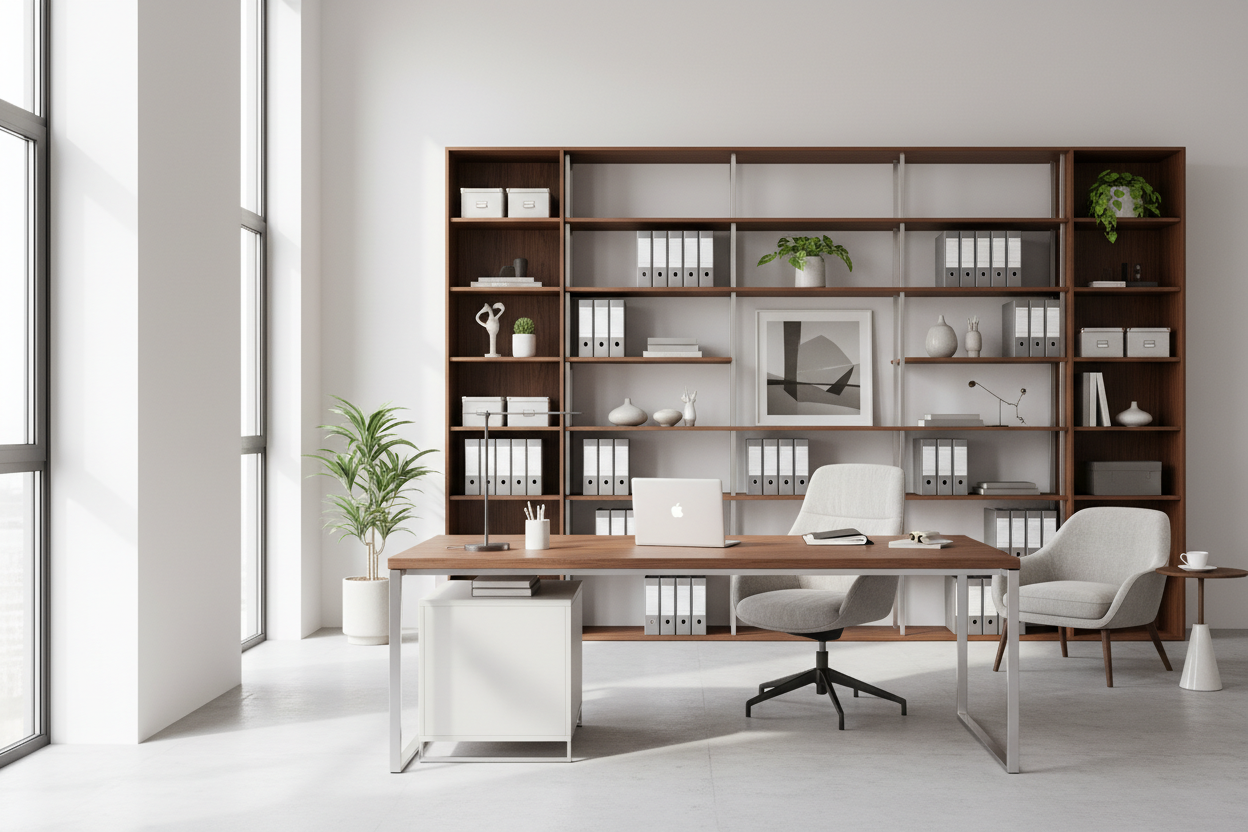
Designing a workspace that inspires creativity often involves a significant financial outlay. Whether you are refreshing a home office or curating a corporate suite, the question inevitably arises when selecting those high-end organizers and premium writing tools: are office supplies deductible? As a designer, I constantly navigate the intersection of aesthetic ambition and budget reality. Understanding how these purchases impact your bottom line can liberate you to choose pieces that truly elevate your workflow.
Quick Decision Guide: What Qualifies?
- Ordinary and Necessary: The item must be common and accepted in your specific trade or business.
- Tangible Items: This includes physical goods like stationery, desk organizers, and printer ink.
- Useful Life: Generally, supplies are items used up within the year (consumables) or low-cost items, distinct from depreciable furniture assets.
- Exclusive Use: Items must be used for business purposes, not personal hobbies.
Navigating the Materials and Supplies Deduction
When we discuss the materials and supplies deduction in the context of interior design, we are looking at the smaller elements that create a cohesive environment. While I always advise consulting a tax professional for final approval, from a procurement perspective, distinguishing between a capital asset (like a mahogany executive desk) and a supply is crucial.
The Aesthetic of "Ordinary and Necessary"
The IRS requires expenses to be "ordinary and necessary." In the design world, this offers some latitude depending on your profession. For a graphic designer, high-end art markers and premium sketchbooks are clearly are office supplies tax deductible. However, for a general consultant, a luxury fountain pen might be scrutinized more closely. The key is relevance to your workflow. If an object contributes directly to your efficiency or professional presentation, it generally falls under this umbrella.
Quality Over Quantity: The Deduction Strategy
One common misconception is that office supplies must be cheap to be deductible. This is rarely the case. As a specialist in furniture and decor, I encourage clients to buy fewer, higher-quality items. A solid brass letter tray or a full-grain leather desk blotter may cost more upfront, but if they fall under the threshold for the office supply tax deduction (often under $2,500 per invoice depending on your accounting method/elections), they can be expensed immediately rather than depreciated.
Curating Your Desktop Landscape
When styling a desk, visual clutter kills productivity. Instead of buying bulk plastic bins that you will want to hide in a year, invest in modular organizers that match your office's color palette. These items are functional supplies, yet they serve a dual purpose as decor. By categorizing these purchases correctly, you maintain a sophisticated visual language in your workspace without losing the tax benefit.
Lessons from My Own Projects
My Personal Take on are office supplies deductible
I learned the nuances of this early in my career while styling a showroom for a boutique architecture firm. I had specified a set of hand-turned wooden vessels to hold drafting pencils. The client hesitated, assuming they were "art" and therefore not a write-off. I explained that because they were actively functioning as storage for daily tools—and cost under the capitalization threshold—they were justifiable supplies.
However, I also learned a hard lesson about the "personal use" trap. I once bought a stunning, sculptural desk lamp for my own studio that I absolutely loved. The issue? I placed it in a mixed-use area of my home, not my dedicated office space. When tax time came, my accountant flagged it immediately. It wasn't about the price; it was about the lack of exclusive business use. Now, when I advise clients, I tell them: Buy the beautiful thing, but ensure it lives permanently in the workspace. That specific lamp, by the way, had a raw brass finish that developed a patina specifically where I touched it to turn it on—a beautiful reminder of daily work, but a reminder to keep business purchases strictly for business.
Conclusion
Creating a workspace that fosters focus doesn't mean you have to settle for utilitarian, unattractive tools. By understanding the rules behind deductions, you can invest in high-quality materials that serve both your business operations and your design sensibility. Curate with intention, keep your receipts organized, and enjoy a space that pays you back.
Frequently Asked Questions
Can I deduct decorative items as office supplies?
Generally, pure decor (like a painting or a rug) is not considered a "supply" but may be depreciated as office furniture or furnishings if it is for a dedicated business space. However, functional decor, like a decorative bookend or a stylish whiteboard, often falls under supplies.
Is there a dollar limit on the office supply tax deduction?
There is no hard cap on the total amount you can deduct, provided the expenses are reasonable and necessary for your income level. However, individual items costing over $2,500 are typically treated as assets to be depreciated rather than supplies to be expensed immediately.
Do shipping costs count toward the deduction?
Yes. If you pay for shipping on items that qualify as are office supplies tax deductible, the cost of delivery is generally considered part of the cost of the item or a separate business expense, making the entire acquisition deductible.



Dejar un comentario
Este sitio está protegido por hCaptcha y se aplican la Política de privacidad de hCaptcha y los Términos del servicio.