










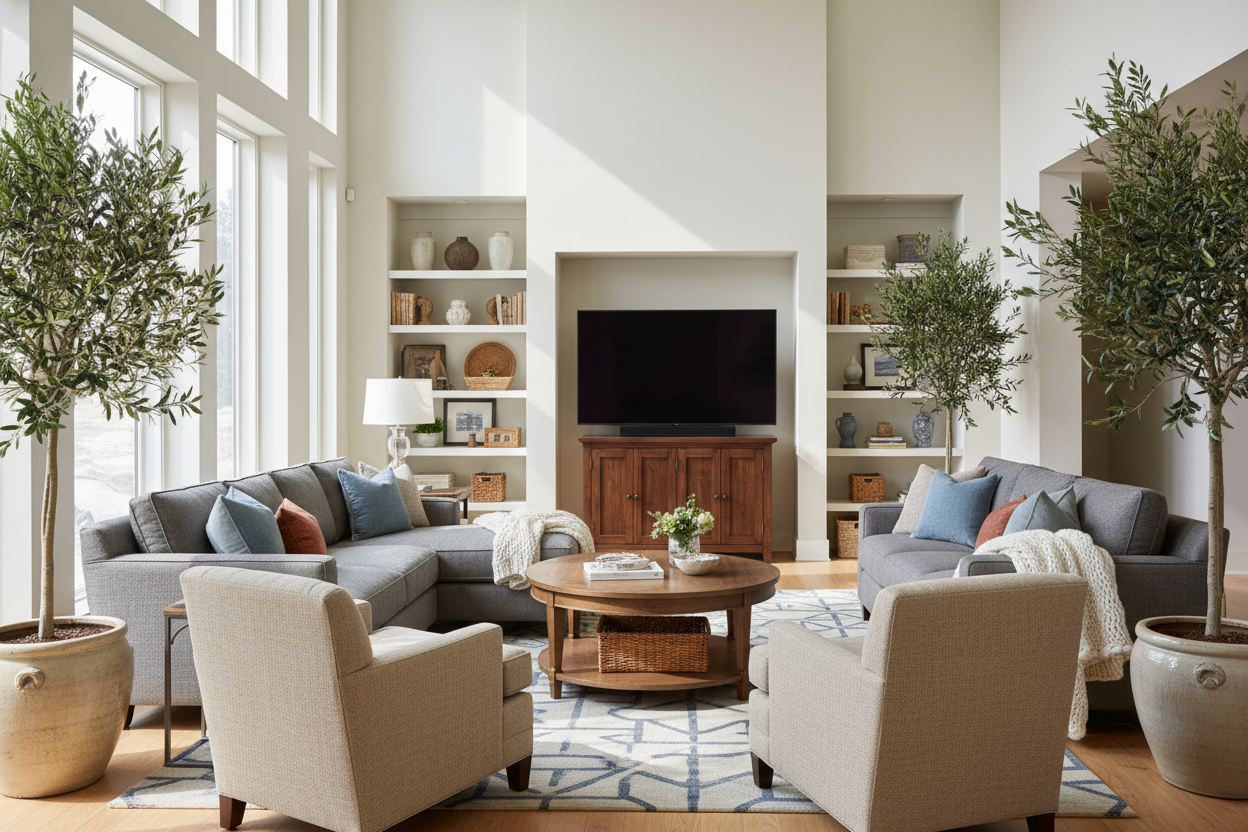
In the world of interior design, the sofa is the anchor. It dictates the traffic flow, establishes the visual weight of the room, and, quite frankly, is where life happens. Yet, selecting the right piece often feels like navigating a minefield of marketing terms and varying price points. One category that frequently crosses my desk when working with clients who want a balance of durability and accessibility is standard furniture couches. But do they hold up against the rigors of daily life while maintaining a sophisticated silhouette?
Quick Decision Guide: What to Check Before You Buy
If you are standing in a showroom or browsing online right now, use this checklist to assess quality immediately. These are the non-negotiables for any piece in this category.
- Frame Integrity: Look for kiln-dried hardwood or engineered wood laminates. Avoid softwoods like pine which can warp over time.
- Suspension System: Sinuous springs (S-shaped) are the industry standard for this tier; ensure they are no more than 4-5 inches apart for consistent support.
- Cushion Core: High-density foam (at least 1.8 lbs) wrapped in Dacron is essential to prevent that dreaded "pancaking" effect after a year.
- Fabric Grade: Check the "double rub" count. For family rooms, aim for 15,000+ rubs or performance fabrics like Crypton.
Analyzing the Build: The Standard Furniture Sofa
When we discuss a standard furniture sofa, we are usually looking at pieces designed for the mid-market homeowner. These aren't your bespoke, eight-way hand-tied antiques, but they aren't fast-furniture disposables either. The value proposition here is usually found in the balance between aesthetic versatility and functional construction.
Material Selection and Durability
The most critical factor I advise clients to look at is the upholstery. Many couches in this range utilize polyester blends designed to mimic natural linens or velvets. While purists might prefer 100% linen, a poly-blend offers significantly higher stain resistance and shape retention. If you are placing this in a high-traffic zone, prioritize a tight weave. A loose weave might look textural and inviting, but it catches on pet claws and zippers easily.
Visual Weight and Scale
A common error I see is ignoring the scale. A bulky sofa with rolled arms can suffocate a modest living room. Conversely, a sleek, mid-century modern profile might look lost in a cavernous great room. When evaluating these couches, pay attention to the leg height. Exposed legs generally make a room feel airier, while skirted bases add visual heaviness and traditional grounding.
Space Planning: The Standard Furniture Sectional
If you have an open-concept floor plan, a standard furniture sectional is often the superior choice over a sofa-and-chair combination. It acts as a subtle room divider, demarcating the lounge area from the dining space without the need for walls.
Configuration Matters
Don't just measure the length; measure the depth. A deep-seated sectional (over 40 inches) encourages lounging but can be difficult for older guests to stand up from. For a conversational layout, a standard depth of 36-38 inches is ergonomically superior. Furthermore, ensure the connection points (where the sectional pieces join) use heavy-duty metal brackets. I’ve seen too many lower-tier sectionals drift apart on hardwood floors because the connectors were plastic.
My Personal Take on Standard Furniture Couches
I want to share a specific experience from a project I worked on in a renovated craftsman bungalow. We were working with a tight budget but needed a large seating area for a family with two Golden Retrievers. I specified a darker grey chenille couch from this category, somewhat hesitantly, fearing the texture would trap fur.
Here is the unpolished truth: The fabric held up incredibly well against the dogs, but the back cushions were the surprise. Unlike the seat cushions, which had high-density foam, the back cushions were poly-fill. After about six months, they began to slouch significantly, requiring daily fluffing to look presentable. The lesson? If you buy in this category, I always recommend zippered cushions. Being able to open them up and add extra batting or even replace the core foam a year down the road is a game-changer for longevity. It’s a small maintenance detail that saves you from replacing the whole sofa.
Conclusion
Selecting the right seating is about understanding the intersection of your lifestyle and the furniture's construction. Whether you opt for a sleek sofa or a sprawling sectional, look past the color and focus on the bones of the piece. Your home deserves furniture that supports you—literally and aesthetically—for years to come.
Frequently Asked Questions
How do I clean a standard furniture couch with a cleaning code 'S'?
Code 'S' stands for Solvent. This means you cannot use water-based cleaners, as they may leave rings or damage the fabric. You must use a water-free dry cleaning solvent. I always recommend testing the solvent on a hidden area, like the back of the skirt, before applying it to a stain.
What is the ideal lifespan for a sofa in this category?
With daily use, a well-constructed sofa in this tier should last between 7 to 10 years. The structural frame should hold up longer, but the fabric and cushion density are usually the first elements to show wear. Rotating cushions monthly can extend this lifespan significantly.
Can I fit a standard sectional in a small apartment?
Yes, but you must be strategic. Look for "apartment-sized" or reversible chaises. Avoid curved sectionals, as they waste valuable corner space. A clean-lined, L-shaped sectional with a low profile will maximize seating without visually overcrowding the room.


Dejar un comentario
Este sitio está protegido por hCaptcha y se aplican la Política de privacidad de hCaptcha y los Términos del servicio.