










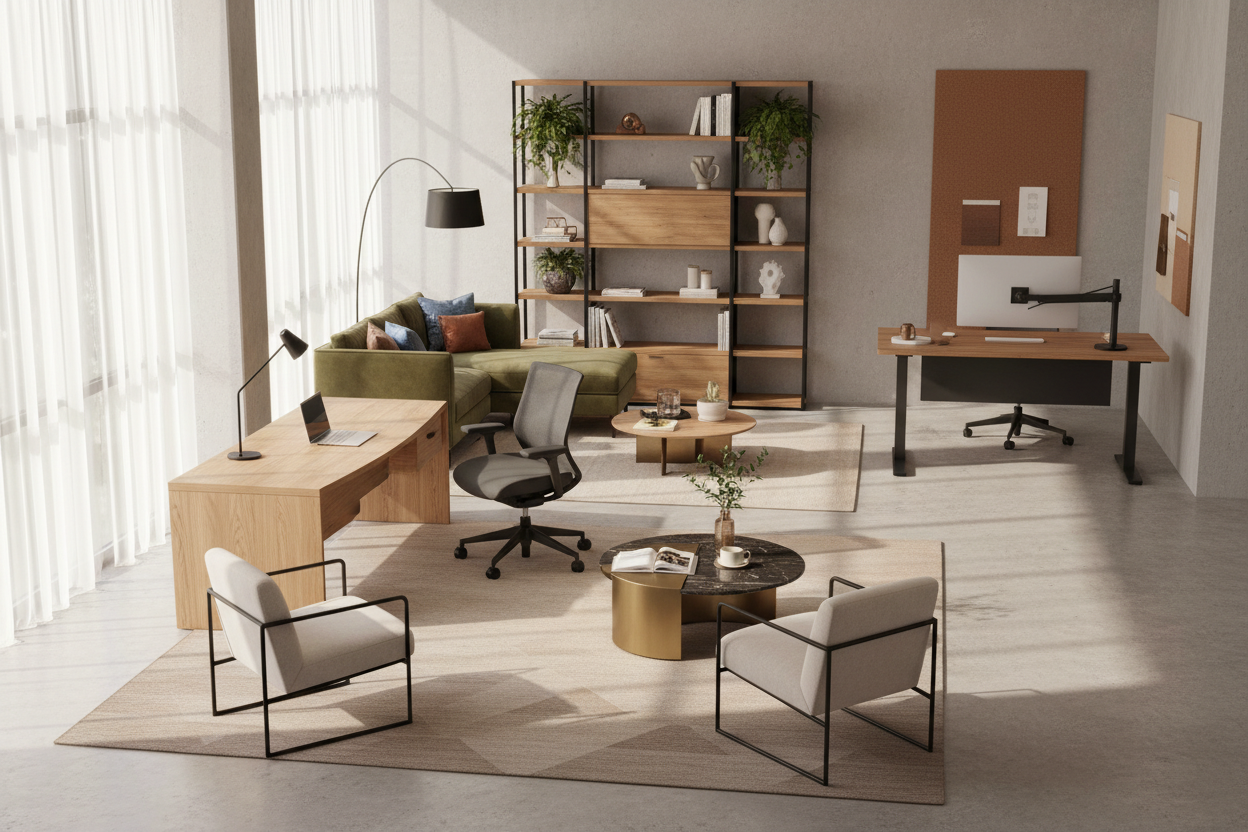
We have all been there: trying to be productive while perched on a dining chair that was never meant for an eight-hour shift, or working off a desk that wobbles every time you type. As an interior designer, I see this dilemma constantly. Clients often prioritize aesthetics over function, or vice versa, resulting in a workspace that either looks sterile or feels excruciating. Finding the best furniture for office environments requires a delicate balance between ergonomic engineering and sophisticated design language.
Quick Decision Guide: Key Features to Look For
- Ergonomics First: Prioritize chairs with adjustable lumbar support, seat depth, and armrest height. Your body is the investment here.
- Material Integrity: For desks, look for high-pressure laminate (HPL) or solid wood sealed with polyurethane for durability against heat and spills.
- Scale and Proportion: Ensure the furniture footprint allows for at least 36 inches of clearance behind the desk for chair movement.
- Wire Management: The best office furniture includes integrated grommets or channels to hide unsightly cabling, maintaining visual calm.
The Foundation: Selecting the Desk
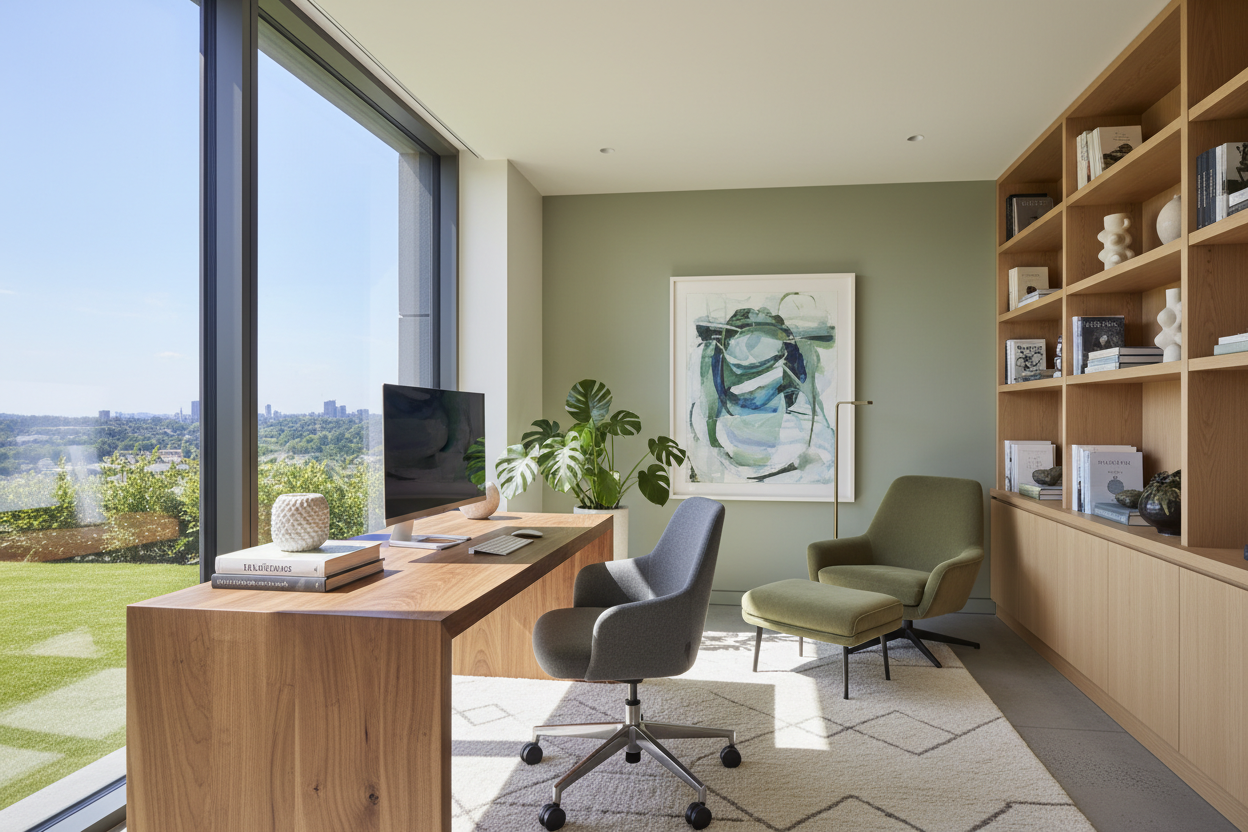
When curating the best office furniture, the desk acts as the anchor. It sets the tone for the room's visual weight. In my projects, I often steer clients away from glass tops if they are heavy computer users; glass can be cold on the wrists and tracks fingerprints relentlessly. Instead, consider a timber veneer or a matte Fenix laminate. These offer a tactile warmth and absorb sound, rather than reflecting it.
Shape and Workflow
The silhouette of your desk dictates your workflow. A classic rectangular executive desk commands authority and works well floating in the center of a room. However, for those needing great home office furniture in tighter quarters, an L-shaped configuration tucked into a corner maximizes surface area without dominating the floor plan.
The Throne: Seating That Supports You
If there is one item where budget should not be restricted, it is the task chair. The best furniture for home office setups must support the spine’s natural S-curve. While a vintage mid-century modern chair might look stunning in a magazine spread, it rarely offers the mechanical adjustments necessary for long-term health.
Look for "synchro-tilt" mechanisms where the seat and back move in a ratio (usually 2:1), keeping your feet flat on the floor while you recline. Mesh backs are excellent for thermal regulation, while high-grade leather offers a sense of luxury and softens over time.
Balancing Cost and Quality
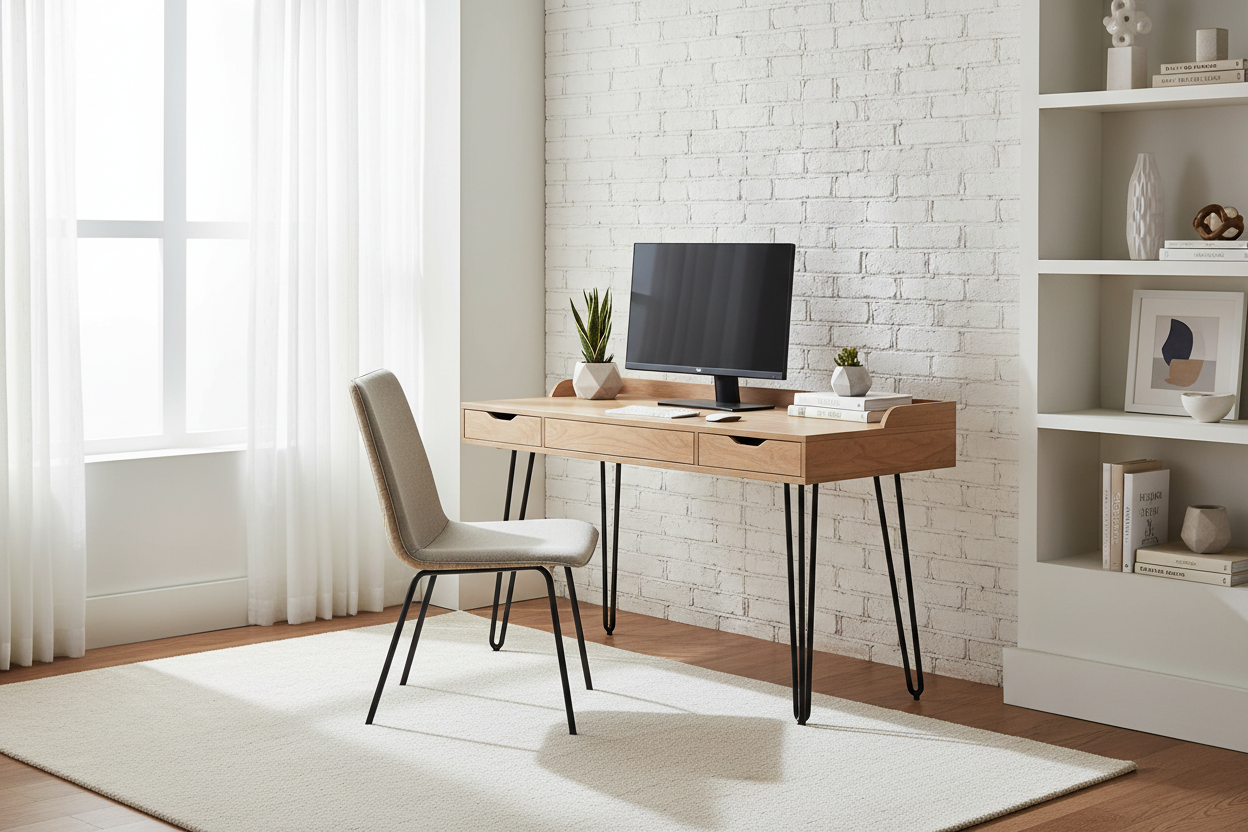
You do not always need a five-figure budget to achieve a designer look. The best affordable office furniture often comes from brands that focus on modularity. I recommend looking for pieces with steel frames and powder-coated finishes; they resist scuffs and provide a sturdy base that cheaper particle board options lack. The trick is to mix high and low—splurge on the chair, save on the shelving.
Lessons from My Own Projects
I want to share a specific realization from a project I completed last year in a high-rise downtown. We specified a gorgeous, raw reclaimed wood desk for the client. It was visually stunning—a true statement piece. However, three months later, the client called me. The texture of the wood, while beautiful, made writing on a single sheet of paper impossible without a blotter, and the uneven surface caused their mouse to jump.
It was a lesson in practicality over purity. Now, when I recommend the best home office furniture, I always insist on a "writing test." If the surface isn't smooth enough to sign a check without the pen skipping, it’s a dining table, not a desk. We ended up having a custom glass top cut for that reclaimed desk, which solved the issue but compromised the tactile warmth we originally wanted.
Conclusion
Curating your workspace is about more than just filling a room; it is about creating an environment that induces a state of flow. By focusing on ergonomic metrics, durable materials, and appropriate scale, you can build a space that serves both your professional needs and your personal style.
Frequently Asked Questions
How much space do I need for a home office desk?
Standard desks range from 48 to 72 inches wide. Ideally, you want a minimum of 30 inches of depth to accommodate a monitor while leaving space for a keyboard and notepad. Ensure you have at least 48 inches of space behind the desk to push your chair back comfortably.
What is the difference between laminate and veneer?
Veneer is a thin slice of real hardwood bonded to a composite base, offering the authentic grain and texture of wood. Laminate is a synthetic material printed to look like wood or solid colors. Laminate is generally more durable and resistant to scratches, making it a strong contender for high-traffic workspaces.
Can I use a dining chair as an office chair?
For short bursts of work (under an hour), a dining chair is acceptable. However, for full workdays, it lacks the necessary lumbar support, seat height adjustment, and casters required to prevent strain. Investing in a proper task chair is an investment in your physical health.

Dejar un comentario
Este sitio está protegido por hCaptcha y se aplican la Política de privacidad de hCaptcha y los Términos del servicio.