











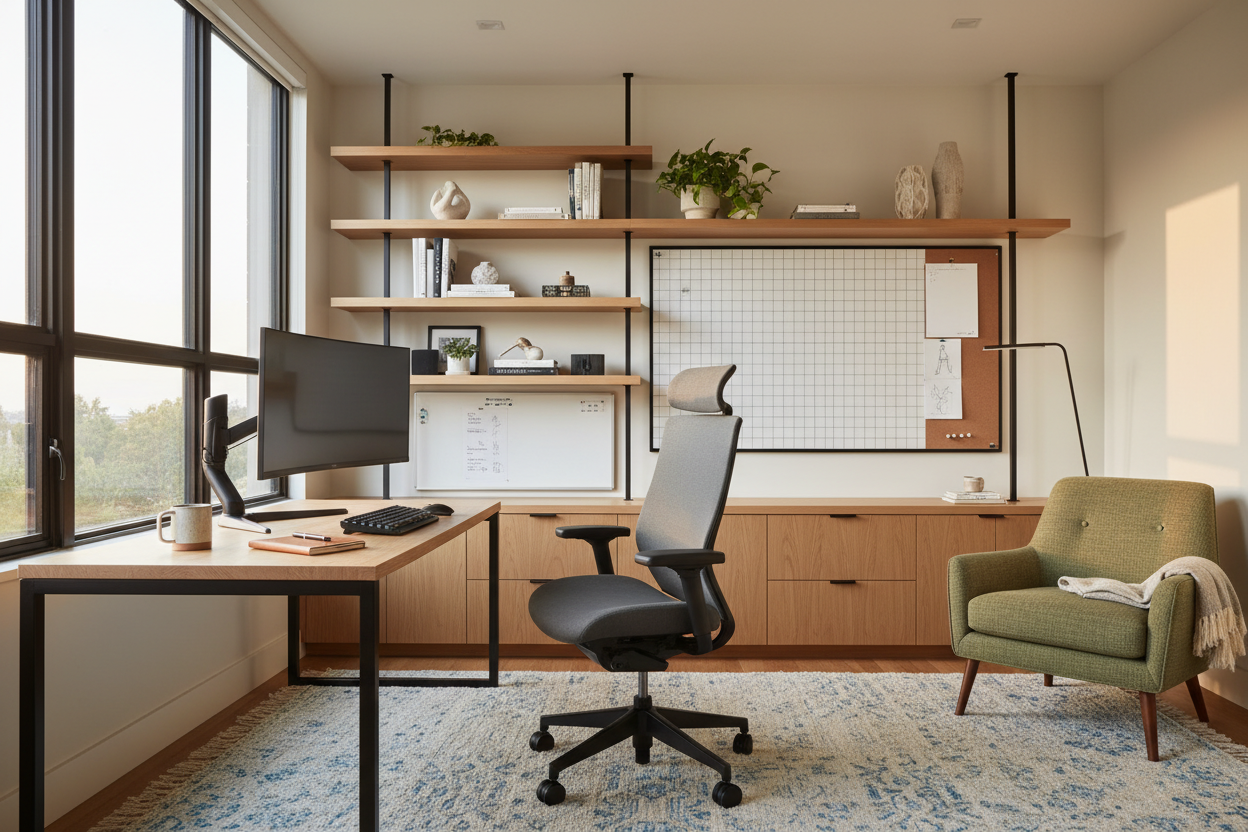
We have all tried working from the dining table or balancing a laptop on the sofa, only to realize that productivity suffers when comfort is compromised. The distinction between 'working from home' and having a dedicated professional sanctuary lies in design intentionality. When you decide to build your own home office, you are not merely selecting a desk and chair; you are engineering an environment that fosters focus, creativity, and physical well-being. This guide moves beyond basic functionality to help you curate a space that rivals high-end corporate suites.
Quick Decision Guide: Key Elements for Success
If you are in the planning phase, prioritize these four pillars to ensure your workspace performs as good as it looks:
- Ergonomics First: Prioritize a chair with lumbar support and a desk height that allows your elbows to rest at a 90-degree angle.
- Lighting Layers: Combine ambient overhead light with focused task lighting to reduce eye strain.
- Material Tactility: Choose surfaces like solid wood or high-pressure laminate that are durable and pleasant to touch.
- Acoustics: Incorporate soft furnishings (rugs, curtains) to dampen echo and absorb background noise.
Mastering Space Planning and Layout
The most common error I see in residential design is shoving the desk directly against a wall. While this saves space, it is often visually uninspiring. To create the perfect home office, consider the "command position." If space permits, float your desk in the center of the room or position it perpendicular to a window. This allows you to control your view and benefit from natural light without the glare hitting your monitor directly.
Zone Your Workflow
Think about how you move. You need a primary zone for computer work and a secondary zone for analog tasks like sketching or reading. How to make your home office better often comes down to flow; ensure there is at least 36 to 48 inches of clearance behind your chair so you never feel boxed in.
Choosing the Right Materials
The tactile experience of your home office is just as critical as the visual. When selecting a desk, consider the wear layer.
- Solid Wood: Offers longevity and can be refinished, but reacts to humidity changes. Walnut and White Oak are currently timeless choices that offer warmth.
- Veneer: Provides the look of wood at a lower price point and better stability, but be wary of thin veneers that chip easily.
- Laminate/Melamine: Highly durable and scratch-resistant, perfect for heavy daily use, though it lacks the natural grain texture of wood.
Lighting and Visual Balance
Lighting is the unsung hero of interior design. Avoid relying solely on a single overhead fixture, which creates unflattering shadows during video calls. One of my favorite home office tricks is to use a warm LED desk lamp (2700K-3000K) for ambiance, paired with a cooler, directional task light for reading. This layering creates depth and reduces the clinical feeling of a workspace.
Lessons from My Own Projects: The Glass Desk Trap
I feel compelled to share a personal design regret to save you the trouble. Early in my career, I designed a stunning modern office for myself centered around a sleek, tempered glass desk. Visually, it was architectural and airy. Practically? It was a nightmare.
I hadn't accounted for the thermal conductivity of the material; the glass remained freezing cold against my forearms during early morning emails, eventually causing discomfort in my wrists. Furthermore, optical mice struggled to track on the transparent surface without a pad, ruining the clean aesthetic I was aiming for. Within six months, I swapped it for a matte-finished oak desk. When you build your space, remember that materials must be livable, not just photogenic.
Conclusion
Designing a workspace is an investment in your career and your health. By focusing on ergonomic layouts, layered lighting, and honest materials, you can create a room that pulls you in rather than pushes you away. Take these principles, adapt them to your square footage, and build a space that works as hard as you do.
Frequently Asked Questions
How much space do I really need for a home office?
While you can fit a small desk in a 4-foot wide nook, a comfortable, full-time office usually requires a minimum of 70 to 100 square feet to accommodate a desk, chair clearance, and storage without feeling claustrophobic.
What is the best desk depth for a multi-monitor setup?
If you use two or more monitors, aim for a desk depth of at least 30 inches. Standard 24-inch desks often place the screens too close to your eyes, leading to strain over long periods.
How do I hide the cable clutter?
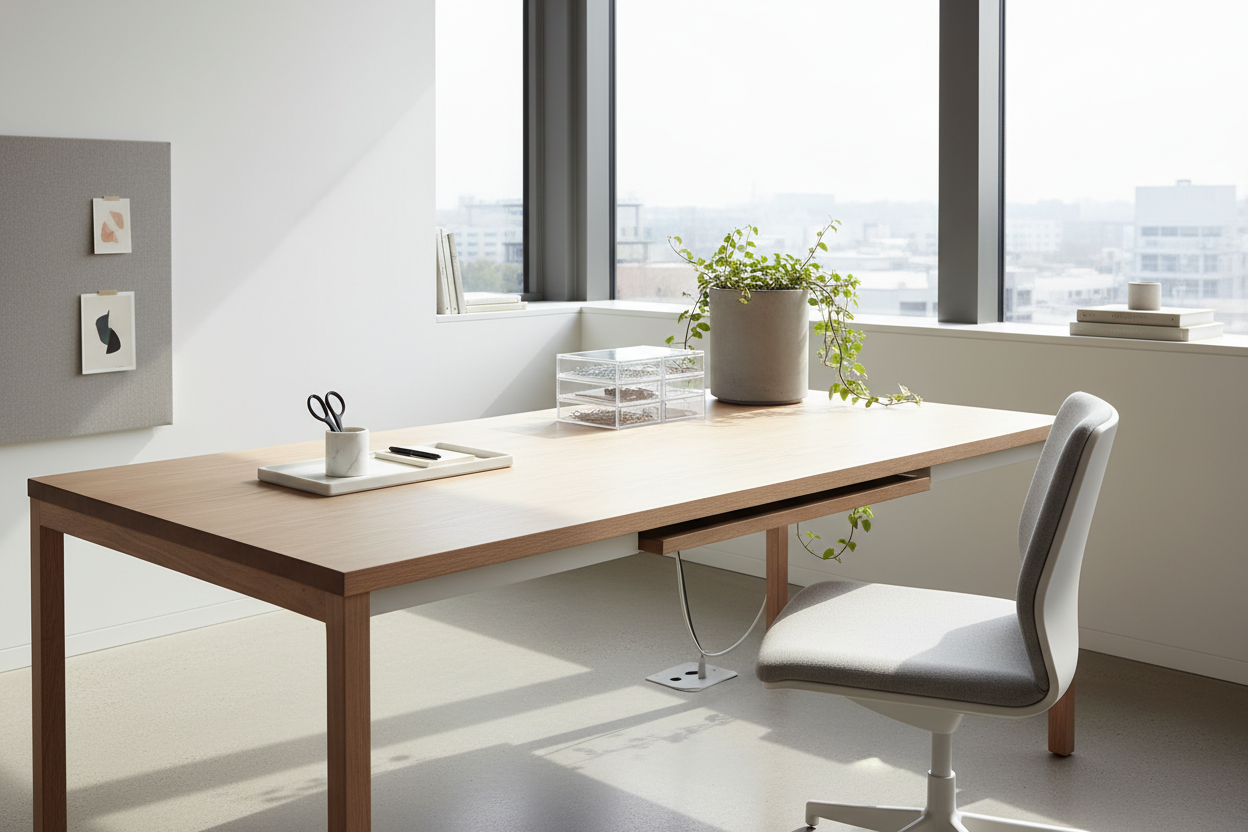
Learning how to home office professionally means managing wires. Look for desks with integrated grommets or modesty panels. Alternatively, mount a cable tray under the desk surface and run all cords through a spinal cord organizer for a clean silhouette.

Dejar un comentario
Este sitio está protegido por hCaptcha y se aplican la Política de privacidad de hCaptcha y los Términos del servicio.