










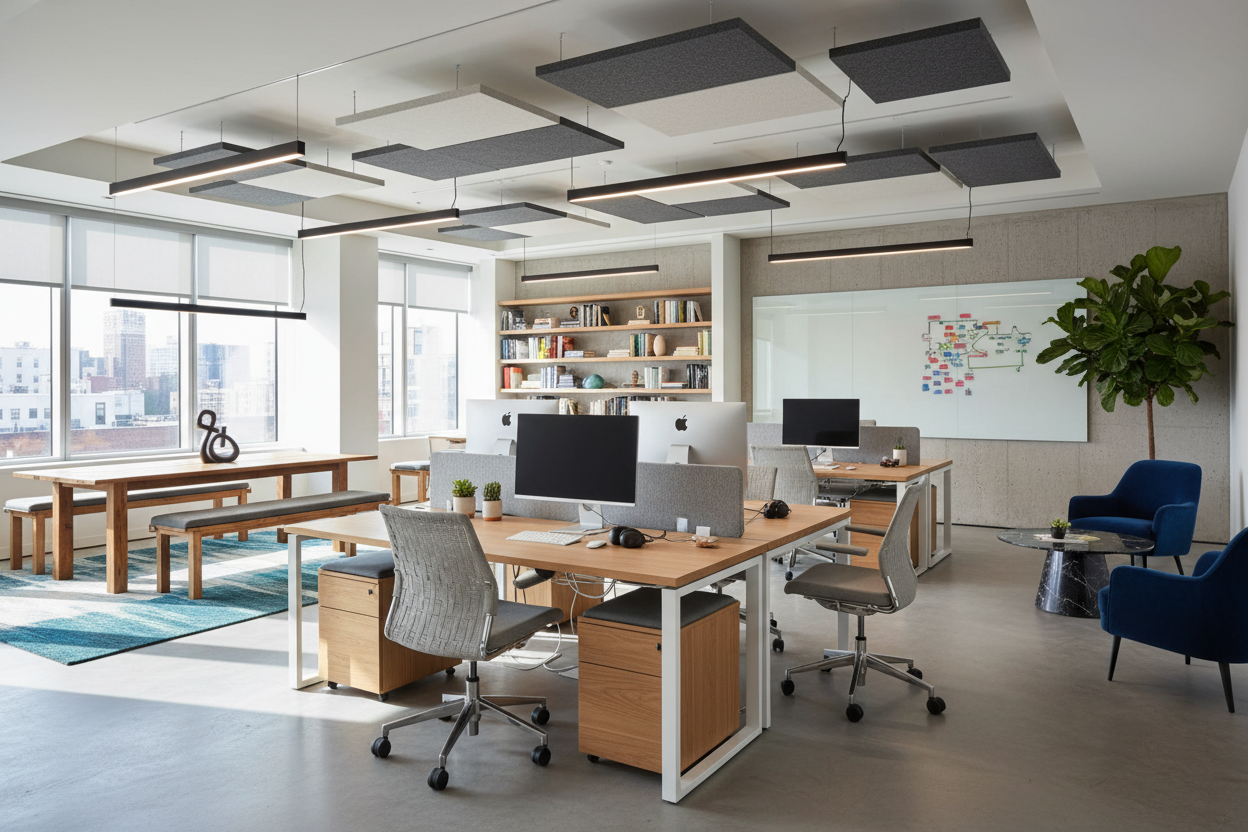
The era of the sterile, gray cubicle farm is effectively over. Today, the environment in which you work acts as a silent partner in your company's success; it dictates the mood of your team and the first impression of your clients. Yet, many professionals struggle to bridge the gap between functionality and aesthetic appeal. You want a space that feels sophisticated, but you also need materials that can withstand the daily grind of 9-to-5 traffic. This guide explores how strategic business office decor can optimize workflow while articulating your brand's identity without saying a word.
Key Features to Look For
Before purchasing furniture or selecting a color palette, prioritize these core elements to ensure your design investment yields returns in productivity and longevity:
- Commercial Durability: Look for high Martindale rub counts (50,000+) on upholstery and scratch-resistant laminates or sealed hardwoods for surfaces.
- Ergonomic Integrity: Chairs and desks must support posture; aesthetic should never compromise lumbar support in a workspace.
- Lighting Layers: A mix of ambient (overhead), task (desk lamps), and accent lighting reduces eye strain and sets the tone.
- Acoustic Control: Incorporate rugs, acoustic panels, or soft furnishings to dampen echo in open-plan layouts.
- Brand Cohesion: Ensure colors and textures reflect your company culture (e.g., tech startups often favor industrial minimalism, while law firms may lean toward transitional traditional).
Defining Your Aesthetic and Functionality
When you set out to decorate business office interiors, the first step is space planning. It is not enough to simply fill a room with desks. You must consider the "circulation paths"—the invisible highways people walk to get from the entrance to their desk or the coffee station.
Zoning for Productivity
For large office decor, zoning is critical. You need to create distinct micro-environments. Use high-backed sofas or open shelving units as room dividers to separate collaborative "loud" zones from deep-work "quiet" zones. This visual separation helps employees mentally switch gears without requiring physical walls.
Materiality and Texture
The difference between a showroom look and a functional office often lies in material selection. When browsing business office decor ideas, pay attention to the tactile experience. Solid wood desks offer gravity and warmth but react to humidity and require coasters. High-quality veneers or high-pressure laminates (HPL) often provide a similar visual weight but offer superior resistance to coffee rings and pen indentations. For seating, breathable mesh is practical for 8-hour shifts, but top-grain leather commands authority in executive suites.
Lighting: The Overlooked Element
Lighting is the jewelry of the room, but in an office, it is also the engine of focus. Relying solely on harsh overhead fluorescents is a design failure. To truly elevate your professional office office decor ideas, layer your lighting. Aim for a color temperature between 3500K and 4000K; this mimics natural daylight and keeps energy levels consistent. Desk lamps with articulating arms allow users to control their immediate environment, reducing glare on screens and preventing afternoon fatigue.
Integrating Biophilic Design
One of the most effective business office ideas decorating strategies is biophilia—bringing the outdoors in. This goes beyond a potted plant in the corner. Consider living walls or moss art for acoustic dampening. Natural textures like raw oak, stone, or wool soften the hard lines of technology and filing cabinets, making the space feel more welcoming and less institutional.
Lessons from My Own Projects
I want to share a specific lesson from a commercial project I led last year regarding decorating business office spaces. We installed a stunning, high-gloss black conference table that looked incredible in the renderings. It was sleek, modern, and expensive.
However, within two weeks of the client moving in, I got a call. The issue wasn't the look; it was the usability. The high-gloss finish acted like a mirror. During video conference calls, the overhead lights reflected off the table, creating a blinding glare for the camera. Furthermore, every single fingerprint showed up instantly. We had to retrofit the room with expensive diffusers and eventually cover the table with a custom matte leather blotter to make it usable. The lesson? Always test your finish samples under the actual lighting conditions of the room, and prioritize matte or satin finishes for high-touch surfaces. They hide the mess of real work much better.
Conclusion
Designing a business office is a balancing act between form and function. By selecting commercial-grade materials, planning your layout around workflow, and layering your lighting, you create a space that respects the people working in it. A well-designed office doesn't just look good; it works as hard as you do.
Frequently Asked Questions
How do I make a small business office look bigger?
To maximize space, utilize vertical storage to keep floor space clear. Use glass or acrylic furniture to reduce visual weight, and opt for a monochromatic color scheme. Mirrors can also effectively double the visual depth of a tight reception area.
Is it worth investing in custom joinery or built-ins?
Yes, especially for irregular spaces. While the upfront cost is higher than retail furniture, custom joinery maximizes every inch of square footage and increases the property value. It also allows you to hide unsightly cabling and printers seamlessly.
How often should business office decor be updated?
Major furniture pieces like desks and ergonomic chairs should last 7-10 years if purchased correctly. However, soft decor like rugs, throw pillows, and wall art can be refreshed every 3-5 years to keep the office feeling current and aligned with rebranding efforts.


Dejar un comentario
Este sitio está protegido por hCaptcha y se aplican la Política de privacidad de hCaptcha y los Términos del servicio.