










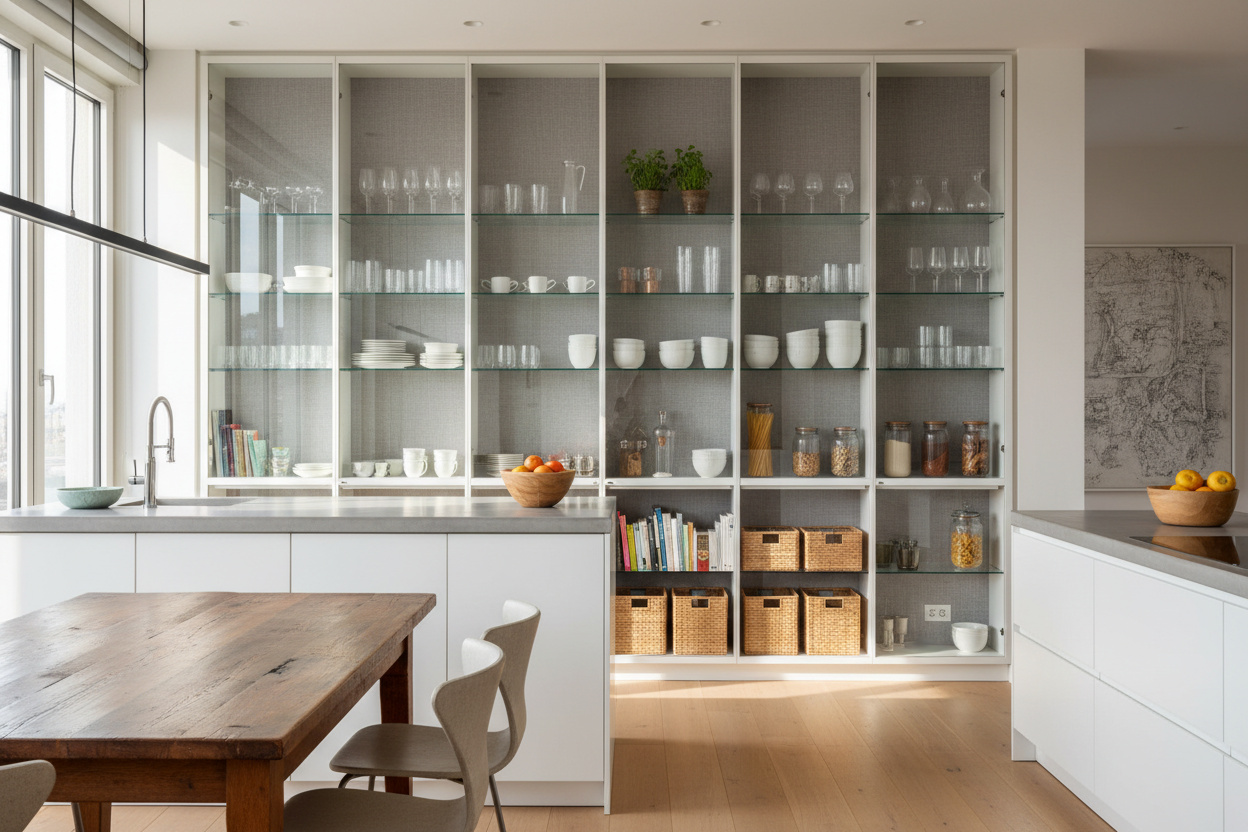
I've walked into hundreds of kitchens where homeowners showed me their inspiration photos of clear cabinets in kitchen designs, then immediately said, 'But my everyday dishes aren't that pretty.' They worry that glass doors will expose their mismatched mugs or require museum-level curation. I get it. The gap between that perfect magazine shot and your Tuesday morning reality can feel wide. Let's bridge it.
Quick Takeaways
- Use clear cabinets for items you use weekly, not just for show. It forces you to keep those zones organized.
- Lighting is non-negotiable. Plan for LED strip lights inside the cabinet (about 12-18 inches from the top shelf) to prevent shadowy voids.
- Mix glass and solid doors. A bank of 3-4 glass-front uppers is often more manageable than an entire wall.
- Maintenance is real. Expect to wipe down glass every 1-2 weeks to keep fingerprints and cooking film at bay.
Why Clear Kitchen Cabinets Are Having a Moment (And Why They're Not Just a Trend)
I'm seeing more clients ask for glass fronts, and it's not just about aesthetics. In a standard 10x12 foot kitchen, solid upper cabinets can make the room feel heavy, especially with 9-foot ceilings. Glass visually lifts that weight. It reflects both natural and artificial light, making a space feel larger. For a galley kitchen with a single window, a run of glass cabinets on the opposite wall can double the sense of light.
The sophistication comes from texture and depth. Frosted, seeded, or reeded glass offers privacy while still feeling open. But the common fear is valid: no one wants to see a jumble of plastic containers. This is where choosing the right kitchen cabinet styles that work for your lifestyle is key. Glass works best when it's part of a considered plan, not an afterthought.
What to Actually Put in Your Clear Glass Kitchen Cabinets (And What to Keep Hidden)
Think of your glass cabinets as your kitchen's 'feature wall.' What goes inside should be both useful and visually cohesive. I advise clients to store items they use at least once a week. Your daily drinkware, favorite dinner plates, and a beautiful ceramic mixing bowl set are perfect candidates. This frequency means you're constantly interacting with the space, which naturally encourages tidiness.
What to hide? The 'utility' items. That bag of half-used pasta, the blender base with its cord, mismatched plastic lids, and bulk spices in their original packaging. These go in solid cabinets or deep drawers. A good rule is if it's not a single, complete object (like a stack of plates) or a curated collection, it probably shouldn't be on display.
The Art of Display: Creating Cohesive Collections
This is where it feels like design, not just storage. Group by color or material. Dedicate one cabinet to all white ceramics—plates, bowls, pitchers. Another can hold clear glassware. For a warmer look, group wooden cutting boards and neutral stoneware. Avoid lining up items like soldiers. Stagger heights: stack plates on one side, place a tall vase or a vertical stack of bowls on the other. Leave 30-40% of the shelf space empty. This negative space is what makes the display feel intentional, not crammed.
Lighting Considerations: Making Your Glass Cabinets Shine
Without light, a glass cabinet is just a dark box you can see into. For a standard 30-inch tall upper cabinet, I specify a warm white (2700-3000K) LED tape light mounted to the top front rail. This casts light down and forward onto the contents. If you have glass shelves, consider tiny puck lights at the top. This lighting isn't just for night; it counteracts shadows during the day, too. When planning, think of the glass as part of a larger material story. It can pair beautifully with other elements, like a kitchen island with glass top, to create a layered, luminous effect.
Installation and Maintenance: What No One Tells You About Glass Cabinets
Hanging is critical. Glass doors, especially larger ones, are heavy. Your cabinet box needs a sturdy frame, typically 3/4-inch plywood or solid wood, not particleboard. European-style hinges with soft-close mechanisms are a must to prevent slamming. For cleaning, a simple solution of vinegar and water on a microfiber cloth works better than harsh chemicals that can streak. If you have young children or energetic pets, consider tempered glass, which is safer if impacted.
Placement matters. In a tricky corner, a specialized unit like a corner kitchen pantry cabinet set with a glass front door can make a dead space functional and beautiful, but ensure the hardware allows for full, easy access.
Design Integration: Making Clear Cabinets Work in Your Specific Kitchen
Glass is a chameleon. In a modern kitchen with flat-panel shaker doors, a clear, unframed glass insert looks sleek. In a traditional space, a mullioned or leaded glass door in a painted frame adds character. The key is mixing materials. I often pair a few glass uppers with rich wood lowers. For example, cherry wood cabinets in modern kitchens ground the space, while the glass uppers keep it airy. Always consider the whole room. Your clear cabinets should converse with other elements, like the finishes on your kitchen island collections.
Personal Experience: The Honest Downside
In my own last kitchen remodel, I installed two large glass-front cabinets flanking the range. I loved how they opened up the space. The downside? When I'm busy, I do let the coffee mugs pile up, and it's visible from the dining area. It's a gentle, constant nudge to reset that space. It's not for someone who wants to 'set and forget' their kitchen storage. The payoff—a kitchen that feels designed and personal—is worth that small bit of ongoing effort.
FAQ
Are glass kitchen cabinets still in style?
Yes, but the trend has matured. It's less about a wall of clear cabinets and more about strategic use—as an accent to break up mass, add light, and display meaningful items. They've moved from pure trend to a classic design tool.
What's the best way to organize items in glass front kitchen cabinets?
By category and color. Keep all like items together (all glasses, all plates) and within that, group by color. Use uniform canisters for dry goods. The goal is to see blocks of texture and color, not individual, scattered objects.
How do I style open glass kitchen cabinets?
Treat them like open shelving but with a door. The same principles apply: edit ruthlessly, create vignettes, and leave breathing room. The door adds a layer of polish and protects from dust.
Is lighting inside glass cabinets necessary?
Absolutely. It's what transforms them from storage to display. Even inexpensive battery-operated LED stick-on lights make a dramatic difference if hardwiring isn't an option during a remodel.

Dejar un comentario
Este sitio está protegido por hCaptcha y se aplican la Política de privacidad de hCaptcha y los Términos del servicio.