










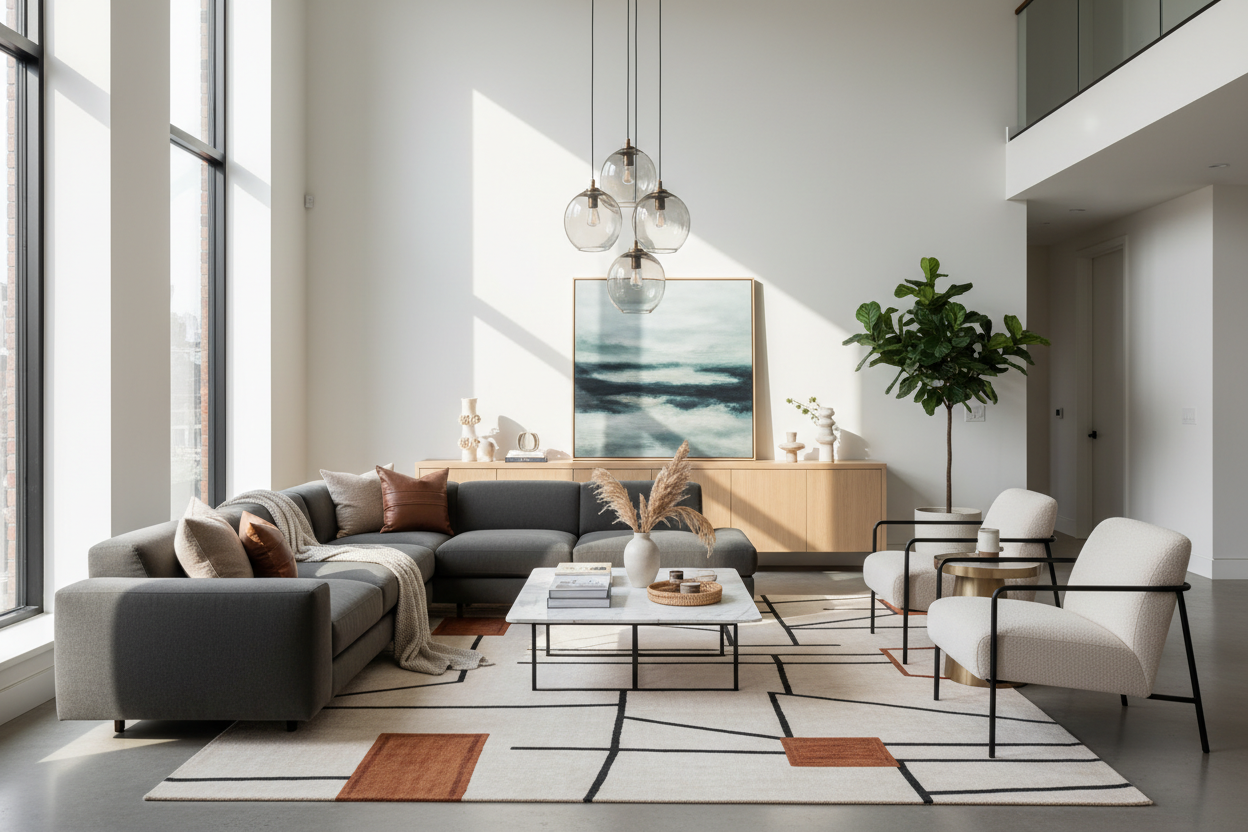
We have all fallen into the inspiration trap. You spend hours scrolling through perfectly curated feeds, building a mental board of the ideal space. However, there is often a painful disconnect between the glossy images living room furniture presents online and how those pieces actually function in a lived-in home. As a designer, my job is often managing the expectation gap between a staged photo and architectural reality.
The camera lens distorts scale, studio lighting hides texture flaws, and styling props distract from construction quality. This guide is designed to train your eye to look past the filter, helping you interpret visual data to make purchasing decisions that offer both aesthetic appeal and long-term durability.
Key Features to Look For
Before committing to a purchase based on a photograph, cross-reference these critical specifications to ensure the piece matches the visual promise:
- Scale and Proportion: Compare the item's dimensions against your ceiling height; photos often use low angles to make furniture appear grander.
- Material Authenticity: Zoom in to distinguish between solid wood grain and printed veneers or laminates.
- Upholstery Performance: Look for "rub counts" (durability ratings) in the description rather than just relying on how soft the fabric looks in pictures living room furniture displays.
- Joinery Details: In exposed wood frames, look for seamless connections which indicate mortise-and-tenon joinery rather than staples or glue.
- Visual Weight: Assess leg styles (stiletto vs. block) to determine if the piece will block light or open up the room.
Analyzing the "Catalog Look" vs. Real Life
When you look at images of furniture living room setups, you are seeing a controlled environment. Professional photographers use wide-angle lenses that artificially expand the perception of space. A sectional that looks cozy and well-proportioned in a digital image might dominate your actual floor plan, choking the traffic flow.
Deconstructing Texture and Lighting
Lighting in pictures of living room furniture is manipulated to enhance the sheen of velvet or the grain of leather. In a residential setting with standard 2700K or 3000K bulbs, these materials often read differently. When analyzing living room set images, look for shadows. Deep, soft shadows usually indicate a plush, high-pile fabric, while sharp shadows suggest a flatter, tighter weave which may be more durable but less forgiving of stains.
The Pitfall of the "Matching Set"
Many homeowners gravitate toward living room set pictures because they offer an instant, cohesive look. From a design perspective, buying a full suite (sofa, loveseat, and armchair all matching) can make a room feel static and showroom-like. It lacks the organic evolution of a curated home.
Instead, use the images as a guide for silhouettes. If you see a set you like, identify the common thread—is it the mid-century tapered leg? The rolled arm? Take that element and find complementary pieces that coordinate without matching perfectly. This creates visual tension and interest.
Ergonomics: What the Camera Can't Capture
A photograph cannot convey seat depth or foam density. A low-slung, deeply tufted sofa often dominates high-end editorial spreads because it looks sleek and architectural. However, without checking the seat height and depth, you may end up with furniture that is difficult to stand up from. Always correlate the visual aesthetics with ergonomic data. Standard seat height is 17-18 inches; anything lower belongs in a lounge area, not a primary conversation space.
Lessons from My Own Projects
I want to share a specific mistake from a project early in my career that changed how I view online sourcing. I was working with a client who fell in love with a specific modular sofa based entirely on high-resolution living room set pictures. Visually, it was stunning—linen blend, crisp edges, low profile.
When it arrived, we realized the "crisp edges" were achieved by using extremely dense, high-resilience foam with almost no Dacron wrap. While it looked exactly like the photo, sitting on it felt like sitting on a park bench. Furthermore, the linen weave was much looser than it appeared on screen. Within three months, the friction from daily use caused the fabric to pool and ripple, ruining that clean architectural line my client loved.
Now, I insist on ordering a strike-off (fabric sample) to test for wrinkling and, if possible, a "sit test" of a similar model. If a fabric wrinkles when you squeeze the sample in your hand, it will look sloppy on a large sofa frame within weeks, regardless of how perfect the marketing image looks.
Conclusion
Transforming your home requires looking beyond the initial allure of images living room furniture provides. By analyzing the structural details, questioning the scale, and understanding the tactile reality of materials, you can curate a space that is as livable as it is photogenic. Trust your measurements more than your eyes, and prioritize how a piece feels over how it photographs.
Frequently Asked Questions
How can I tell if furniture is high quality just from images?
Zoom in on the details. High-quality furniture often features pattern matching (where stripes or plaids align at the seams) and substantial hardware. If the manufacturer hides the back or joints in their photos, proceed with caution.
Why do living room sets look different in my home than in pictures?
Studio images use professional lighting and often remove the "fourth wall" to allow for camera distance, making the furniture look smaller. Your home likely has different ceiling heights and ambient light, altering the perception of scale and color.
Should I buy furniture based solely on online reviews and photos?
Ideally, no. While photos are great for style direction, try to find the piece in a local showroom to test comfort. If that isn't possible, read reviews specifically looking for comments on "firmness," "assembly difficulty," and "color accuracy."


Dejar un comentario
Este sitio está protegido por hCaptcha y se aplican la Política de privacidad de hCaptcha y los Términos del servicio.