










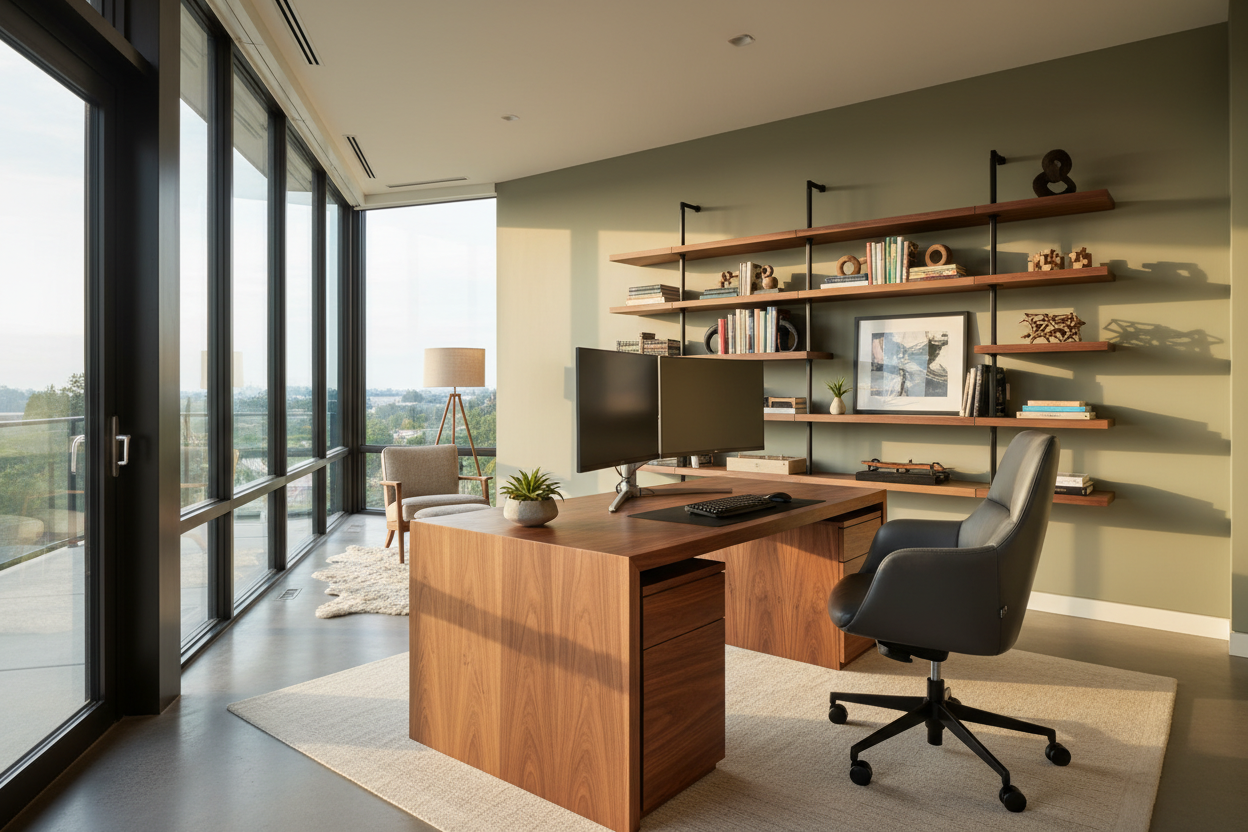
There is a distinct difference between a room with a desk and a truly functional workspace. The former is merely furniture; the latter is an environment engineered for cognitive performance. Many homeowners struggle to find that equilibrium between a sterile corporate look and a cluttered domestic vibe. If you are looking to create an office space that respects both your workflow and your home's aesthetic integrity, you need to move beyond basic utility and consider the psychology of design.
Key Features to Look For
Before purchasing a single piece of furniture, consider these fundamental pillars of a high-performance workspace:
- Ergonomics First: Prioritize chairs with adjustable lumbar support and seat depth over purely sculptural shapes.
- Material Tactility: Choose desk surfaces (like solid walnut or matte nano-laminates) that are pleasant to touch and resist coldness.
- Lighting Layers: Ensure a mix of ambient overhead light and focused task lighting (aim for 3000K-4000K color temperature).
- Acoustic Control: Incorporate soft furnishings like rugs or drapery to dampen echo and reduce distraction.
Mastering the Layout and Flow
When clients ask me how to make an office feel authoritative yet welcoming, I almost always start with the "command position." Avoid pushing your desk directly against a wall where you face blank drywall. Instead, float the desk in the room, facing the door. This layout reduces subconscious anxiety by allowing you to see who enters, and it instantly elevates the visual weight of the room.
For smaller footprints, where floating furniture isn't an option, consider an L-shaped configuration in a corner. However, ensure you have sufficient clearance (at least 36 to 48 inches) behind the chair. A tight squeeze creates a feeling of confinement that kills creativity.
Selecting Your Anchor Pieces
The Desk: Solid Wood vs. Veneer
The desk is the anchor of the room. While solid wood offers longevity and the ability to refinish scratches, high-quality architectural veneers are often more stable in fluctuating humidity. If you want to convey luxury, look for a desk with a "modesty panel" or a finished back, as the back of the desk will likely be visible in a proper layout.
The Chair: The 8-Hour Investment
Do not compromise on the chair for the sake of style. A mid-century modern bucket chair may look stunning in a catalogue, but it will ruin your posture during long work sessions. Look for a "synchro-tilt" mechanism, which allows the backrest and seat to move in a ratio that keeps your feet flat on the floor while you recline.
Lighting and Ambiance
Understanding how to make office lighting work is about banishing shadows. A single overhead fixture creates harsh shadows on your work surface. Layer the room with a dedicated task lamp featuring an articulating arm. This allows you to direct light exactly where you are reading or writing, reducing eye strain. Furthermore, consider the Color Rendering Index (CRI) of your bulbs; a CRI above 90 will ensure that colors (and your video call complexion) look natural rather than washed out.
Lessons from My Own Projects
I learned a hard lesson early in my career regarding glass-top desks. I specified a stunning, architectural tempered glass desk for a client who wanted a "weightless, airy" look. Photographically, it was perfect. Practically, it was a nightmare.
Within a week, the client called to complain. The glass was cold to the touch, sapping heat from their wrists while typing. Worse, the transparency meant there was nowhere to hide the chaos of cables. We ended up having to tape wires down the legs, which ruined the clean silhouette. Since then, I advise clients that if they want glass, they must use a high-quality leather desk pad to provide warmth and acoustic dampening for their keyboard. It’s these unpolished, tactile details—fingerprints, wire management, and surface temperature—that truly dictate whether you will love working in the space.
Conclusion
To create an office space is to curate an environment that serves your ambition. By investing in the right materials, prioritizing the layout, and ensuring the lighting protects your energy, you turn a spare room into a powerhouse of productivity. Don't settle for a makeshift setup; build a space that respects the work you do.
Frequently Asked Questions
What is the minimum space needed to create a functional home office?
Ideally, you need a minimum of 50 to 60 square feet to accommodate a standard desk and chair comfortably. Ensure there is at least 30 inches of clearance behind your desk chair to push back and stand up without hitting a wall or bookshelf.
How do I make a small office look bigger?
Use verticality to your advantage. Install floor-to-ceiling shelving to draw the eye upward. Additionally, choose furniture with exposed legs rather than solid bases (like a desk with a skirt), as seeing the floor underneath the furniture tricks the brain into perceiving more square footage.
Should I use a rug in a home office?
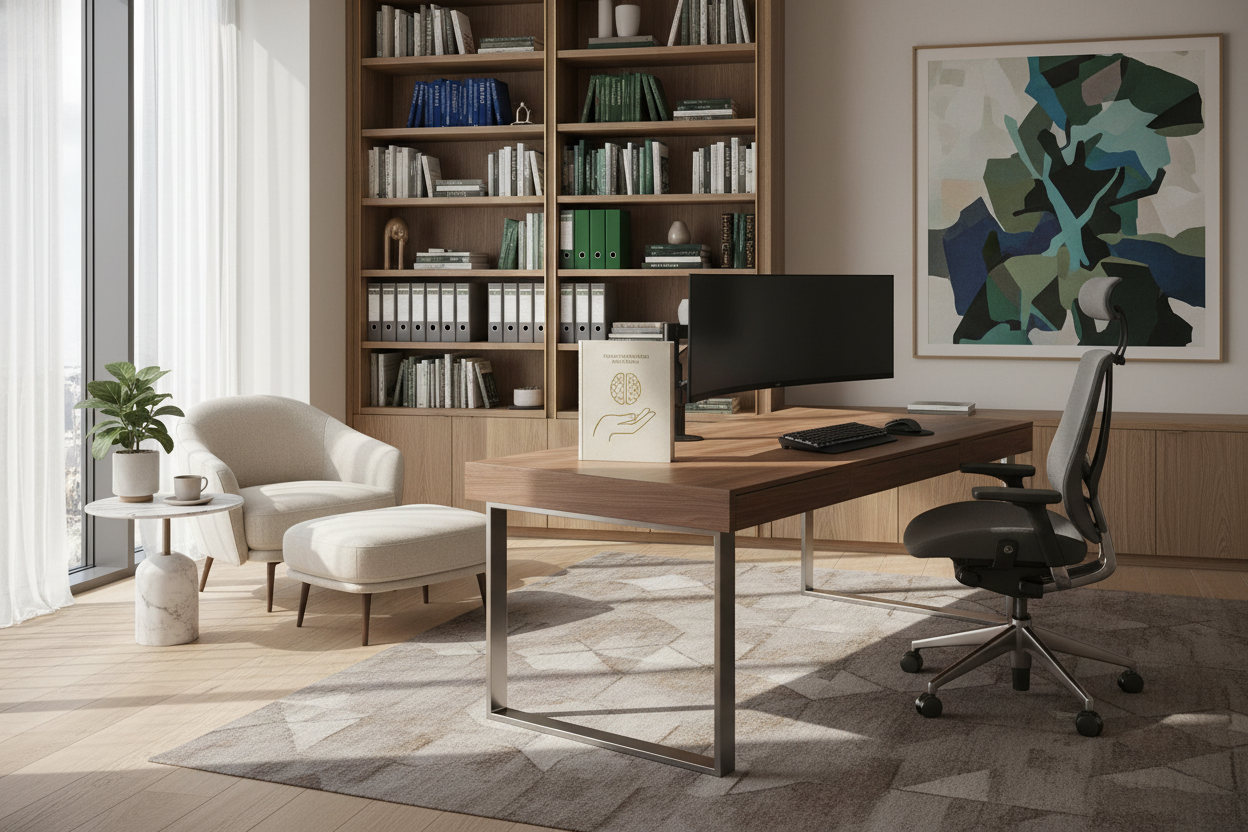
Absolutely. A rug anchors the furniture and improves acoustics by absorbing sound. However, ensure the rug is large enough that your chair casters do not roll off the edge when you push back, as getting stuck on the rug lip is a constant annoyance. A low-pile or flat-weave rug is best for rolling chairs.


Dejar un comentario
Este sitio está protegido por hCaptcha y se aplican la Política de privacidad de hCaptcha y los Términos del servicio.