










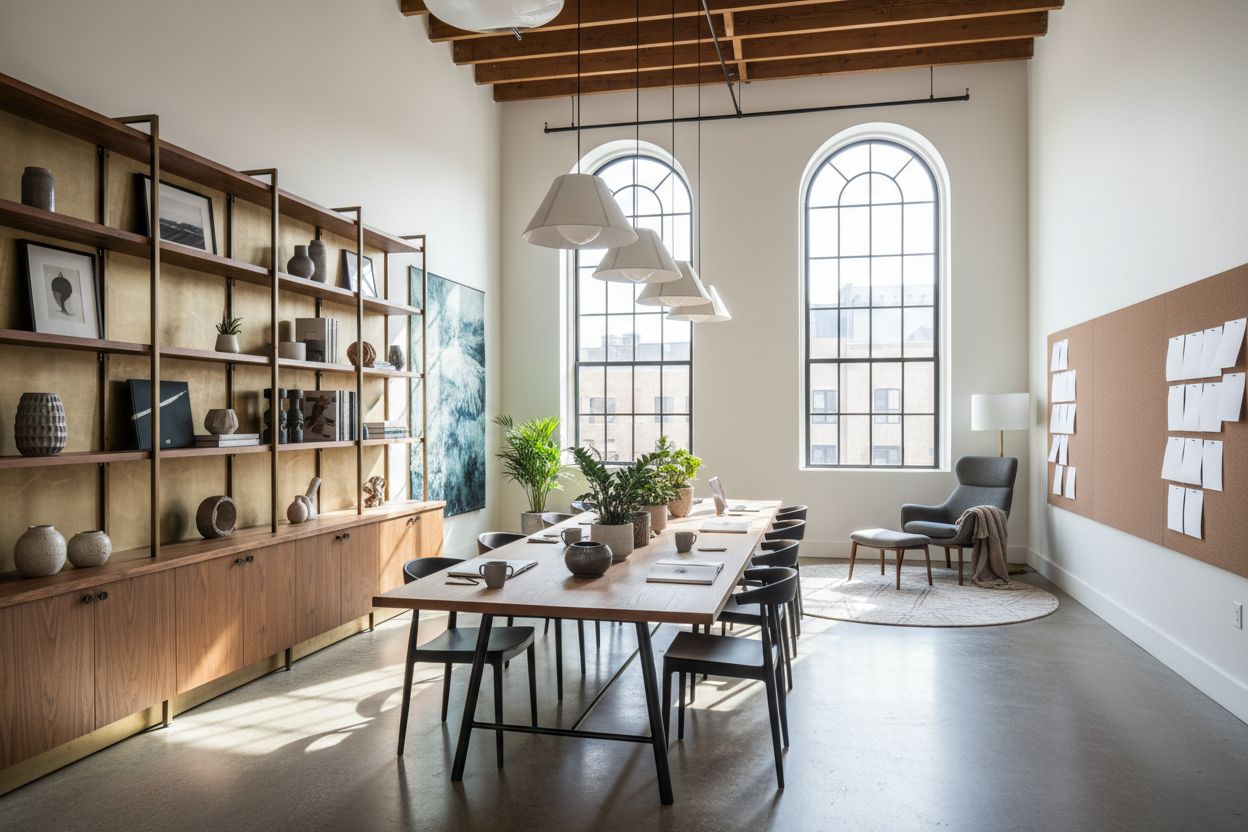
We have all experienced the distinct fatigue that comes from staring at a sterile, utilitarian workspace. It is the visual equivalent of white noise. As a designer, I often see clients try to fix this by cluttering their walls with generic slogans, but true motivation requires a more sophisticated approach. Authentic inspirational decor for office environments is not about telling you to work harder; it is about creating a psychological landscape that induces focus, creativity, and calm through texture, lighting, and balance.
Core Principles of Motivational Design
Before purchasing art or accessories, consider these fundamental elements to ensure your space feels curated rather than cluttered. This checklist helps you secure the best ROI on your design budget:
- Material Authenticity: Prioritize natural materials like wood, stone, or canvas over synthetic plastics to ground the space.
- Scale and Proportion: Ensure artwork covers at least 50-60% of the wall width to act as a proper focal point.
- Lighting Interaction: Choose matte finishes for rooms with harsh overhead lighting to prevent distracting glare.
- Color Psychology: Utilize blues and greens for focus, or muted oranges and ochres for creative energy.
Beyond the Poster: Materiality and Texture
The most common error in selecting inspiring office decor is focusing solely on the graphic and ignoring the medium. A motivational quote printed on flimsy paper taped to the wall devalues the message. To elevate the aesthetic, you must consider the physical weight and texture of the object.
Solid Wood vs. Veneer Framing
When selecting frames or shelving to display your decor, the construction material matters. Solid wood shelving offers a tactile warmth and longevity that lends authority to the room. It ages gracefully, developing a patina that feels established. Conversely, while high-quality wood veneers can mimic this look at a lower price point, they often lack the depth of grain found in solid timber and can chip at the edges over time, ruining the polished look of your executive suite.
The Art of Visual Balance and Placement
Motivational decorations for the office should be placed strategically to guide the eye, not overwhelm it. We use a concept called "negative space"—the empty area around an object. If you pack every shelf with sculptures, books, and prints, the eye has nowhere to rest, creating subconscious anxiety.
Group items in odd numbers (threes or fives) creates a dynamic arrangement that feels natural. For example, pair a vertical abstract print (height) with a low, heavy ceramic bowl (weight) and a trailing plant (movement). This triad creates a vignette that feels finished and professional.
Lighting: The Invisible Decor
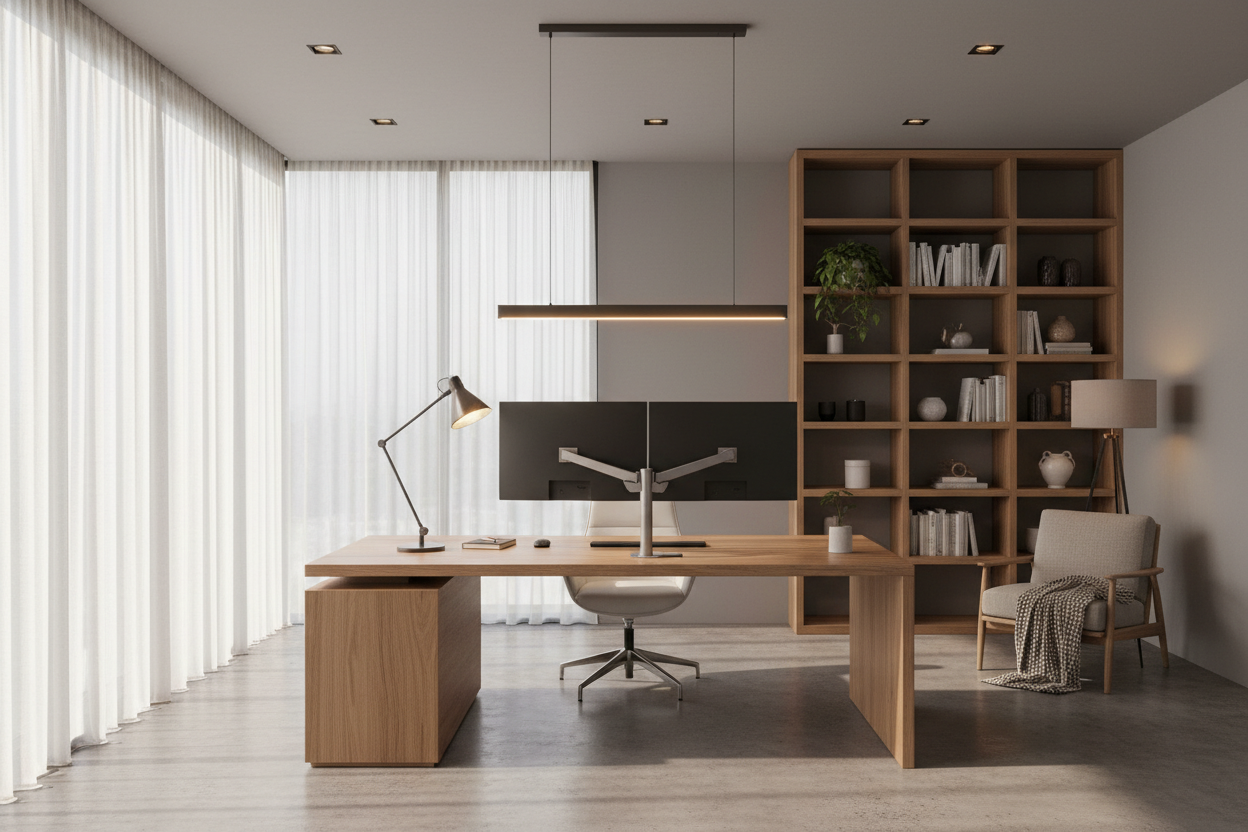
Even the most inspiring office decor falls flat without proper illumination. Avoid relying solely on the ceiling grid. Use accent lighting, such as a picture light over a key piece of art or a warm desk lamp illuminating a sculptural object. This creates pools of light that draw attention to your decor, turning them into deliberate focal points rather than background noise.
Lessons from My Own Projects: The "Glare" Mistake
Early in my career, I designed a home office for a tech consultant who wanted a high-energy vibe. We selected these massive, vibrant photographic prints encased in high-gloss acrylic. They looked stunning in the showroom.
However, once installed in his sun-drenched, south-facing office, they became a nightmare. The high-gloss finish acted like a mirror, reflecting the window glare directly into his eyes during Zoom calls. It was visually exhausting. I had to replace them entirely with canvas prints that absorbed the light rather than reflecting it. It was a costly lesson in checking how light interacts with finishes before installation. Now, I always bring a sample of the finish into the actual room at the time of day the client works most to ensure the "inspiration" doesn't become an irritation.
Conclusion
Your workspace should be a physical manifestation of your professional goals. By choosing quality materials, respecting negative space, and understanding how light interacts with your decor, you can build an environment that doesn't just look good but actively supports your workflow. Start with one high-quality piece and build your narrative from there.
Frequently Asked Questions
How do I add inspirational decor to a small cubicle or desk?
In limited spaces, focus on verticality. Use magnetic or cork boards with high-end fabric finishes to pin curated images. A single, heavy architectural paperweight or a small, potted succulent can add texture without consuming valuable desk real estate.
Is abstract art considered inspirational?
Absolutely. Abstract art allows the mind to wander and does not dictate a specific thought, which can be excellent for problem-solving. Look for pieces with upward sweeping brushstrokes or calming color palettes to subtly influence mood.
How often should I rotate my office decor?
To keep the inspiration fresh, consider a seasonal refresh. You don't need to replace furniture, but swapping out artwork, throw pillows, or small desk accessories every quarter prevents the decor from blending into the background and becoming invisible to you.

Dejar un comentario
Este sitio está protegido por hCaptcha y se aplican la Política de privacidad de hCaptcha y los Términos del servicio.