










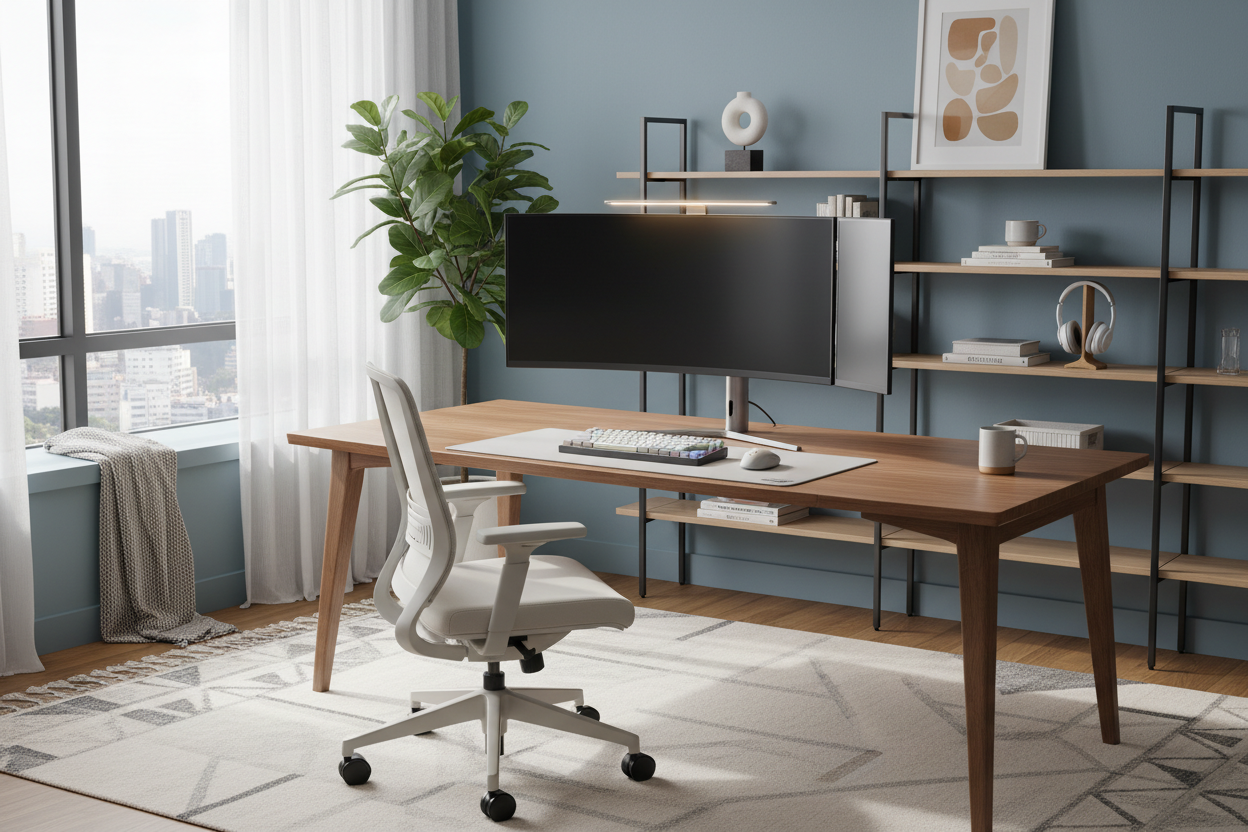
We often treat our home offices as afterthoughts—a repurposed dining chair here, a dimly lit corner there. But as National Work From Home Day approaches, it serves as a crucial reminder to audit our environments. As an interior designer, I see this not just as a calendar event, but as an opportunity to assess whether your space truly supports your professional output and physical well-being. A well-designed workspace isn't just about aesthetics; it is about creating a functional sanctuary that separates 'living' from 'working,' ensuring that when you log off, you can truly relax.
Quick Decision Guide: Optimizing Your Workspace
If you are looking to upgrade your setup before the next global work from home day, prioritize these structural and design elements:
- Ergonomic Integrity: Prioritize chairs with adjustable lumbar support and seat depth over purely sculptural velvet accent chairs.
- Lighting Layers: Combine ambient overhead lighting with directional task lighting (2700K-3000K color temperature) to reduce eye strain.
- Surface Area: Ensure your desk depth is at least 24 inches to allow for proper monitor viewing distance.
- Acoustic Control: Incorporate soft textiles like wool rugs or upholstered panels to dampen echo during calls.
- Zoning: Use area rugs or open shelving to visually demarcate the "office" zone in open-plan living areas.
Designing for the Hybrid Schedule
The conversation around the best days to telework often centers on productivity metrics, but from a design perspective, it is about flow. Whether you adhere to a work from home Wednesday routine or a flexible hybrid model, your furniture must adapt to varying intensities of work.
The Desk: The Anchor of the Room
When selecting a desk, consider the visual weight of the piece. For dedicated rooms, a solid walnut executive desk grounds the space and signals authority. However, if you are determining how to pick the best days to work from home based on a shared living space, look for a "writing table" silhouette. These pieces feature slender legs and minimal storage, allowing them to blend seamlessly with your living room decor when not in use.
The Chair: Function Meets Form
Many clients ask me about the best two days to work from home to avoid back pain, but the issue is rarely the schedule—it is the seating. A high-quality task chair is non-negotiable. Look for synchro-tilt mechanisms that allow the seat and back to move in unison. If you despise the look of technical mesh in a residential setting, seek out performance fabrics like Crypton or high-grade leather that offer durability without the corporate aesthetic.
Lighting and Video Call Aesthetics
With National Work From Home Day 2024 likely involving numerous video conferences, your lighting scheme acts as your stage design. Avoid placing your back to a window, which creates a silhouette effect. Instead, position your desk facing the window or perpendicular to it. Supplement natural light with a desktop lamp that has a pivoting head. This allows you to bounce light off a wall for a soft, flattering glow that reduces shadows on camera.
Structuring the Week: A Design Perspective
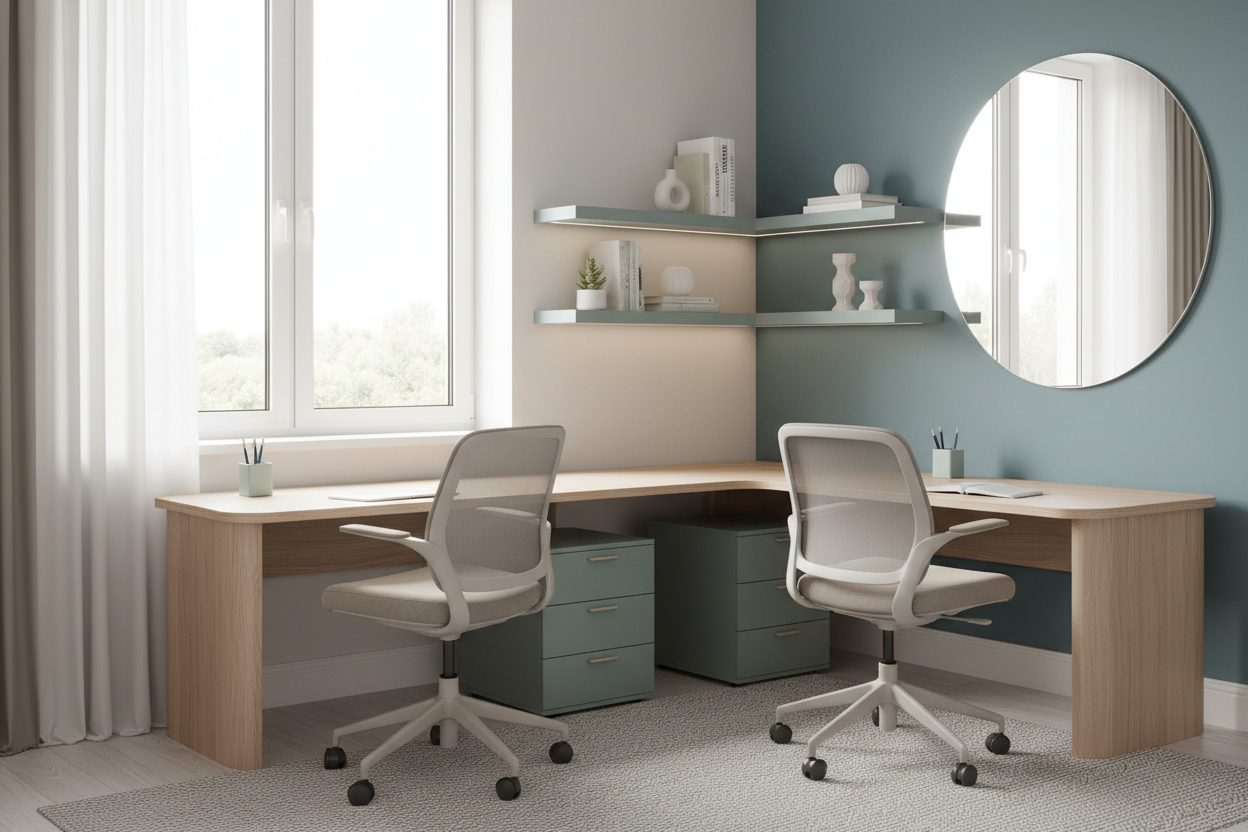
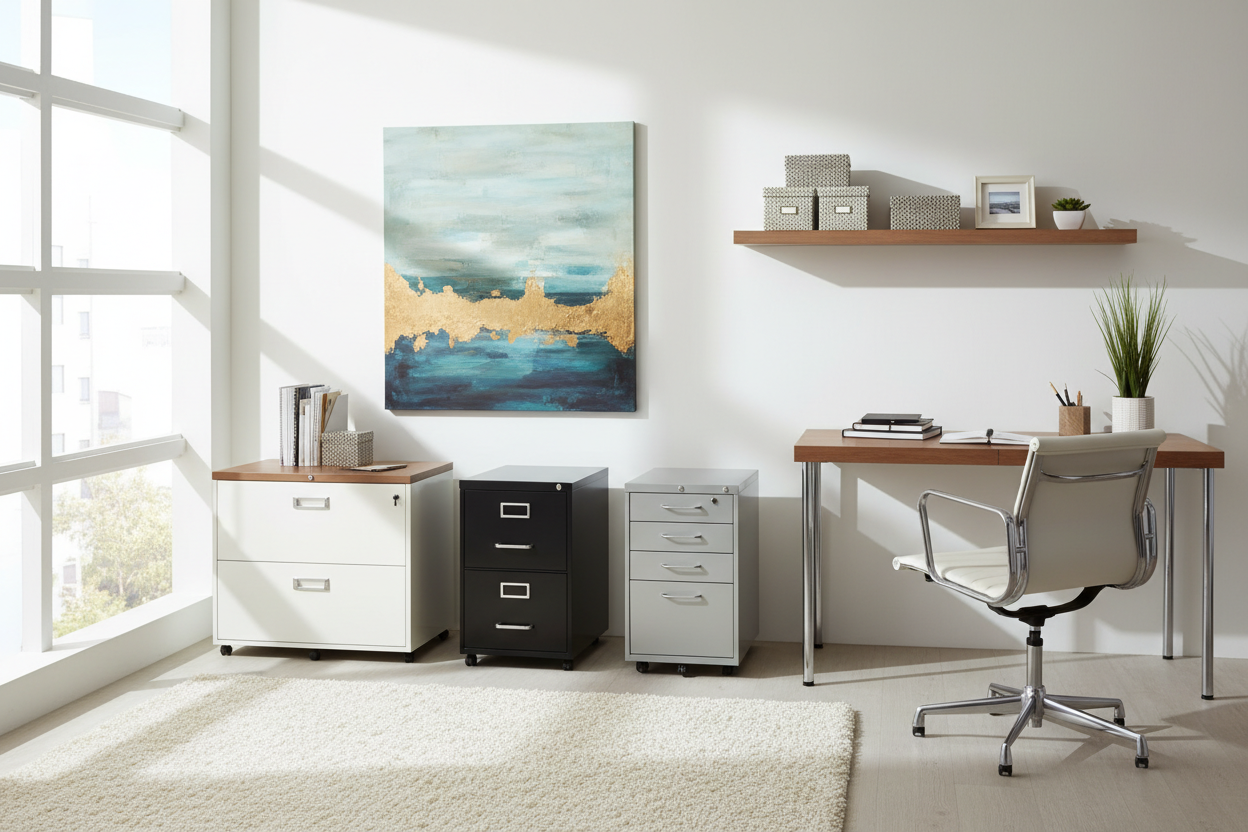
Interestingly, the layout of your room can influence your schedule. If your space feels cramped, you might find yourself gravitating toward a work from work Wednesday just to escape the clutter. To combat this, implement vertical storage. Floating shelves draw the eye upward, making the room feel larger, while closed cabinetry hides the visual noise of paperwork, making the best 3 days to work from home feel less chaotic and more productive.
Lessons from My Own Projects
I want to share a candid observation from my own home office renovation. When I first designed my space, I fell in love with a stunning, reclaimed oak desk with a raw, textured finish. It looked incredible in photos. However, after the first week of actual use—specifically during a heavy drafting session on a wfh day—I realized my mistake.
The texture was so rough that writing on a single sheet of paper was impossible without a blotter, and the open-grain wood trapped dust and eraser crumbs relentlessly. I spent more time cleaning the crevices than I did working. It taught me a valuable lesson I now pass to clients: always test the "touch" of a surface. A smooth, satin finish or a high-pressure laminate is often superior for high-traffic work zones, even if the rustic look is trending. Practicality must sit alongside beauty, or the design fails.
Conclusion
Whether you are participating in National Work From Home Day or refining a permanent remote setup, remember that your environment dictates your energy. Invest in pieces that offer tactile comfort and visual calm. By curating a space that respects both your body and your design sensibilities, you turn every workday into a more inspired experience.
Frequently Asked Questions
How do I choose the best desk size for a small apartment?
For tight quarters, look for a desk with a width between 36 and 42 inches. A "ladder desk" or wall-mounted secretary desk is excellent for utilizing vertical space without occupying a large floor footprint.
What is the best lighting temperature for a home office?
Aim for a color temperature between 3000K and 4000K. This range mimics natural daylight, which helps maintain alertness and focus, whereas warmer lights (2700K) can induce drowsiness.
Is a standing desk worth the investment for a hybrid schedule?
Absolutely. Even if you only telework a few days a week, a sit-stand converter or adjustable desk promotes movement. Look for electric dual-motor models for smoother transitions and greater weight capacity compared to manual cranks.

Dejar un comentario
Este sitio está protegido por hCaptcha y se aplican la Política de privacidad de hCaptcha y los Términos del servicio.