










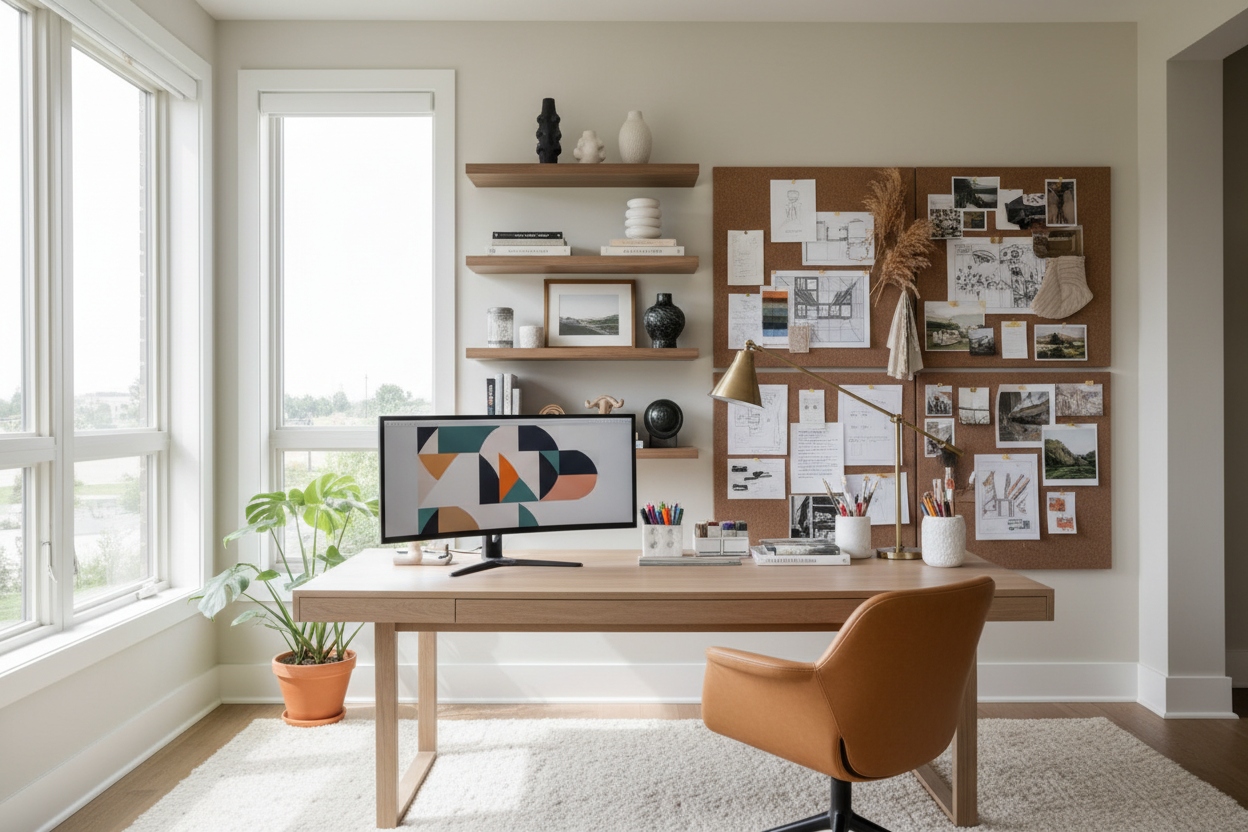
We have all fallen down the rabbit hole of scrolling through endless photos of pristine workspaces, wondering why our own setups feel chaotic rather than creative. The disconnect usually happens because we prioritize the aesthetic over the functional flow. A true inspiration desk is not just a surface to hold your laptop; it is a meticulously zoned environment designed to reduce cognitive load and invite focus. In this guide, I will walk you through the architectural and stylistic choices required to build a workspace that serves your mind as well as it serves your room.
Key Elements of a High-Performance Desk
- Material Tactility: Choose surfaces like solid wood or matte laminate that feel warm to the touch and resist glare.
- Ergonomic Depth: Ensure a minimum depth of 24-30 inches to allow for proper monitor viewing distance and forearm support.
- Visual Hierarchy: Utilize risers or shelving to keep essential tools at eye level while maintaining negative space.
- Cable Architecture: Look for integrated grommets or modesty panels to manage the inevitable tech clutter.
Selecting Materials with Intention
As a designer, I always tell clients that the desk surface is the most tactile element in the room. You will be touching it for hours every day. While glass offers a sleek, modern silhouette, it often runs 'cold' and creates distracting reflections that contribute to eye strain. For a grounding effect, look for natural timber—walnut or white oak are excellent choices. These materials develop a patina over time, adding character rather than looking worn. If you prefer a modern aesthetic, matte nanotechnology laminates (like Fenix) offer fingerprint resistance and a soft-touch finish that feels luxurious under the wrist.
Mastering the Layout: From Chaos to Curation
The difference between a cluttered table and a source of desktop inspo lies in zoning. We want to avoid the 'flat lay' trap where everything sits on a single plane. Instead, think in layers.
The Primary Work Zone
This is the immediate 18-inch semi-circle in front of you. It should remain sacrosanct—occupied only by your input devices and perhaps a notebook. encroaching on this space creates subconscious anxiety.
The Secondary Display Zone
Push your monitors and lamps back. This is where you can introduce personality without sacrificing utility. A sculptural desk lamp provides essential task lighting but also acts as a piece of art when switched off. This balance is what turns a utility station into true desktop inspiration.
Lighting: The Invisible Design Element
Never rely solely on overhead recessed lighting, which casts harsh shadows on your work surface. A layered approach is non-negotiable. Start with a dedicated task light with an adjustable arm to direct illumination exactly where you write or type. Supplement this with ambient light—perhaps an LED strip behind the monitor to reduce contrast strain. The goal is a soft wash of light that highlights the texture of your desk material without creating glare on your screen.
Lessons from My Own Projects
I once specified a stunning, high-gloss lacquer Parsons desk for a client who was a graphic designer. Visually, it was a masterpiece—a deep, ink-blue focal point in a white room. However, two weeks after installation, I received a call. The issue wasn't the look; it was the friction. The high-gloss finish created a subtle 'stickiness' against the skin during humid afternoons, and the mouse tracking was erratic without a pad, which ruined the clean lines she wanted.
We ended up swapping it for a satin-finished rift-sawn oak desk. The lesson stuck with me: never prioritize the photograph over the physiology. A desk that feels wrong against your forearms will kill your creativity faster than bad lighting ever could. When you are shopping, run your hand across the surface. If it feels cold or sticky, walk away, no matter how beautiful the silhouette is.
Conclusion
Designing your workspace is an exercise in self-knowledge. By selecting materials that age gracefully and arranging your tools with architectural precision, you create a space that invites you to sit down and work. It stops being furniture and becomes a tool for thought.
Frequently Asked Questions
What is the ideal height for an inspiration desk?
Standard desk height is between 29 and 30 inches. However, if you are shorter or taller than average, I highly recommend an adjustable sit-stand mechanism. You can hide the mechanical legs with custom joinery or a modesty panel to maintain a residential look.
How do I style my desk without it looking cluttered?
Follow the 'Rule of Three.' Group accessories—like a pencil cup, a small plant, and a clock—on a tray. The tray acts as a boundary, unifying the small items into one visual 'object' so the eye reads them as a single composition rather than scattered mess.
Is a corner desk better for productivity?
It depends on the room. Corner desks maximize square footage but can sometimes make you feel boxed in if they face a wall. If you must use a corner layout, try to position the desk so you have a view of the door or a window to prevent feeling claustrophobic.

Dejar un comentario
Este sitio está protegido por hCaptcha y se aplican la Política de privacidad de hCaptcha y los Términos del servicio.