










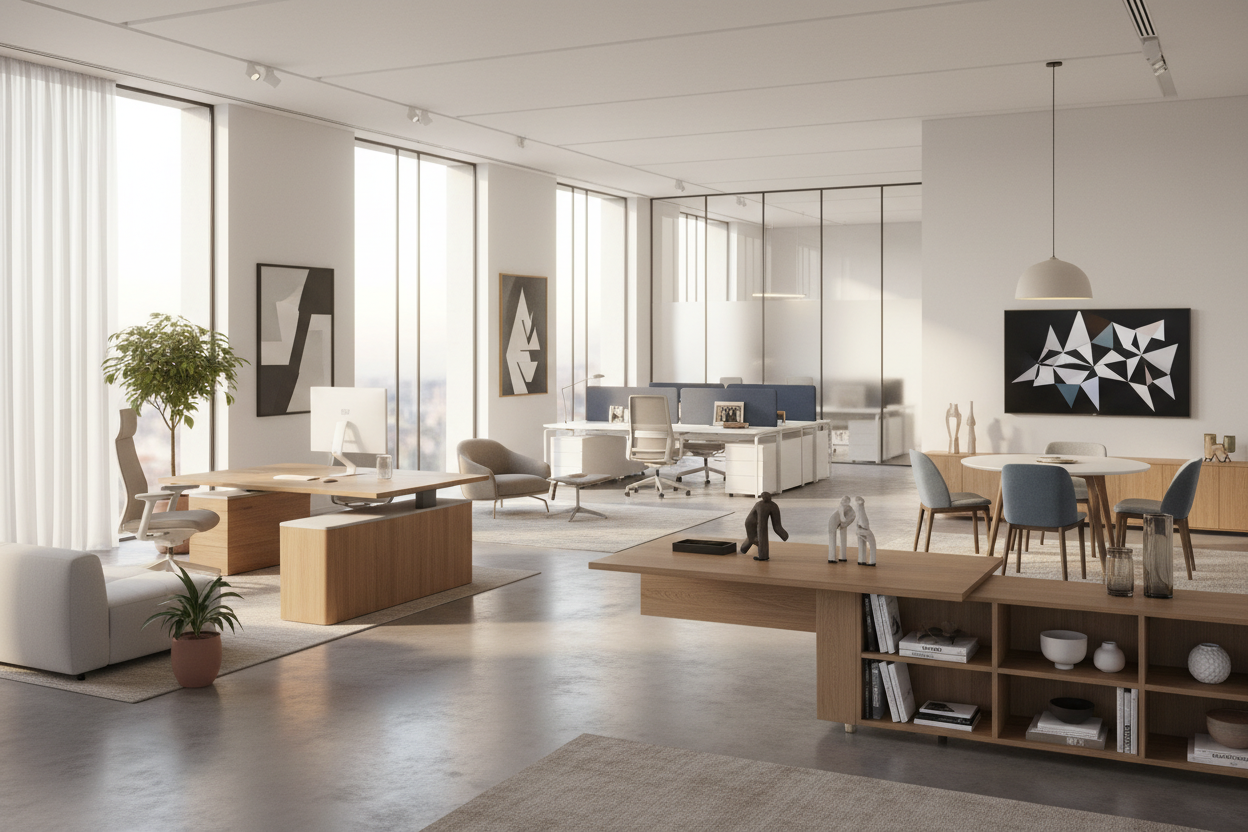
You have likely spent hours scrolling through Pinterest or Instagram, saving countless images of office space that spark a sense of productivity and calm. Yet, there is often a frustrating disconnect between the polished aesthetics of a digital gallery and the reality of your spare room or corner nook. As a designer, I see this constantly: clients fall in love with a vibe but struggle to deconstruct the elements that make it work. The secret isn't just copying the furniture; it's understanding the interplay of light, scale, and material that makes those spaces sing.
Key Features to Look For
Before you purchase a single piece of furniture based on inspiration photos, analyze the images for these critical functional details:
- Light Source Direction: Note where the natural light hits the desk. Is it causing screen glare or offering ambient fill?
- Visual Weight: creative office space pics often balance heavy solid wood desks with lighter, open shelving.
- Ergonomics vs. Aesthetic: Check if the chair in the office space pictures offers lumbar support or just looks sculptural.
- Cable Management: Professional photos hide cords. Look for furniture with integrated grommets and channels.
Translating Inspiration into Function
When you look at high-end pictures of office space, you aren't just looking at decor; you are looking at a masterclass in spatial planning. To replicate this, we need to move beyond the surface level.
Analyzing the Layout
Most viral office space stills feature a 'floating desk' layout. This places the desk in the center of the room or perpendicular to a wall, rather than shoved into a corner. This layout commands authority and improves focus. However, it requires careful measurement. Ensure you have at least 36 to 48 inches of clearance behind your chair for movement. If your reference office space photo shows a tight nook, look at how vertical space is utilized with floor-to-ceiling cabinetry to draw the eye upward.
Materiality and Texture
The difference between a sterile cubicle and a luxury study often lies in texture. In the best photos of office space, you will notice a layering of materials. A walnut veneer desk brings warmth, while a wool rug softens the acoustics. When selecting your core pieces, avoid matching sets. Instead, curate. If you have a sleek, metal-framed desk (often seen in modern work space pictures), pair it with a leather or upholstered chair to introduce organic warmth. This contrast creates the depth that makes professional photography look so inviting.
Lighting: The Invisible Design Element
Many office space wallpapers or backgrounds used for Zoom calls look professional because of lighting. A standard overhead fixture flattens the room. To achieve that curated look, layer your lighting. Start with ambient light (general illumination), add task lighting (an articulated desk lamp), and finish with accent lighting (LED strips in bookshelves). This triad creates the moodiness often seen in high-end office space stock photo collections.
My Personal Take on Images of Office Space
I once worked with a client who was obsessed with a specific series of pictures from office space editorials featuring high-gloss, black lacquer desks. They looked undeniably sleek and powerful in the photos. Against my gentle warnings regarding maintenance, we proceeded with a custom lacquer build.
Two weeks after installation, I received a call. The reality of the material was driving him crazy. In a static photo, you don't see dust motes settling five minutes after cleaning, and you certainly don't see the oily fingerprints that accumulate on the edge where your wrists rest. We ended up having to cover the primary work surface with a large leather desk blotter to make it usable. The lesson? When you look at office space background inspiration, always ask yourself: "How will this material age with 40 hours of weekly contact?" Sometimes, the matte finish or the textured wood grain is the smarter choice for a real working environment.
Conclusion
Your workspace should be a reflection of how you work best, not just a copy of a trend. By critically analyzing images of office space for layout flows, lighting layers, and material practicality, you can build a room that feels as good as it looks. Don't just browse; decode the design.
Frequently Asked Questions
How can I make my small room look like spacious office space images?
Focus on scale. Use furniture with exposed legs rather than solid bases to maximize visible floor area, and use mirrors to bounce light, creating an illusion of depth often seen in professional styling.
Where can I find realistic office space inspiration?
While Pinterest is great, look at portfolio sites of interior design firms or architectural digests. These office space pics tend to focus on functional, lived-in design rather than staged, unrealistic sets.
Why do my office space photos look cluttered compared to stock images?
Stock photos are staged by removing 90% of daily clutter. To achieve this look, invest in closed storage. If an item isn't beautiful or used daily, it should be behind a door or in a drawer, not on the desktop.


Dejar un comentario
Este sitio está protegido por hCaptcha y se aplican la Política de privacidad de hCaptcha y los Términos del servicio.