











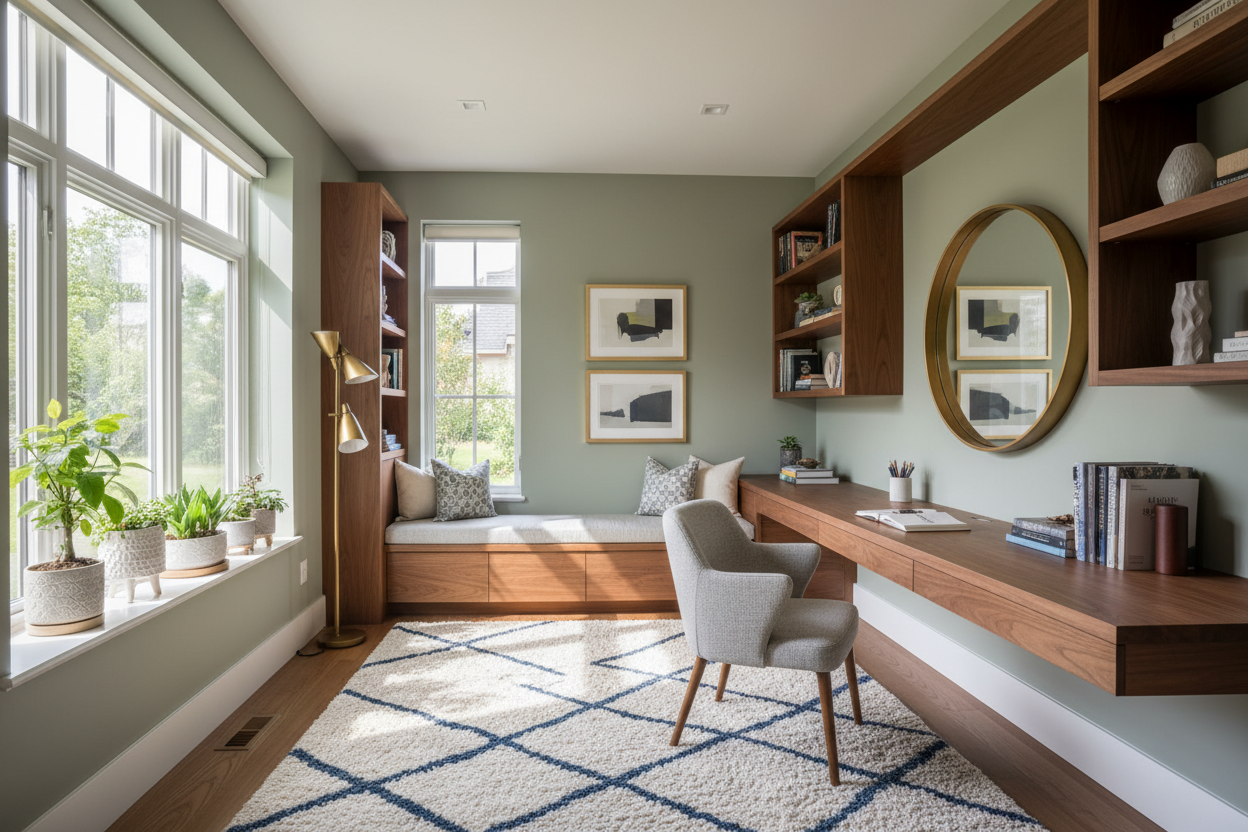
Many homeowners assume that dropping a desk and a rolling chair into a spare room makes it an office. But after a few weeks of staring at blank walls and tangled cords, that space starts to feel like a sterile corporate trap. If you are searching for decorating a study ideas, you likely want a space that fosters focus without sacrificing warmth. Whether you have a dedicated room or just an awkward alcove, the goal is to create an environment that feels collected, intentional, and genuinely comfortable.
As someone who has spent over fifteen years designing residential interiors, I have seen firsthand how the right layout and material choices can completely shift the energy of a workspace. I will walk you through the space planning principles, storage solutions, and styling choices that separate a makeshift workspace from a properly designed home library.
Quick Decision Guide
- Place your desk in the command position—facing the door, not shoved against a wall.
- Mix task lighting with ambient lamps to reduce eye strain and add visual warmth.
- Prioritize closed storage for clutter and open shelving for curated decor.
- Anchor the room with a plush area rug to improve acoustics and ground the furniture.
Space Planning for Deep Focus
The Command Position
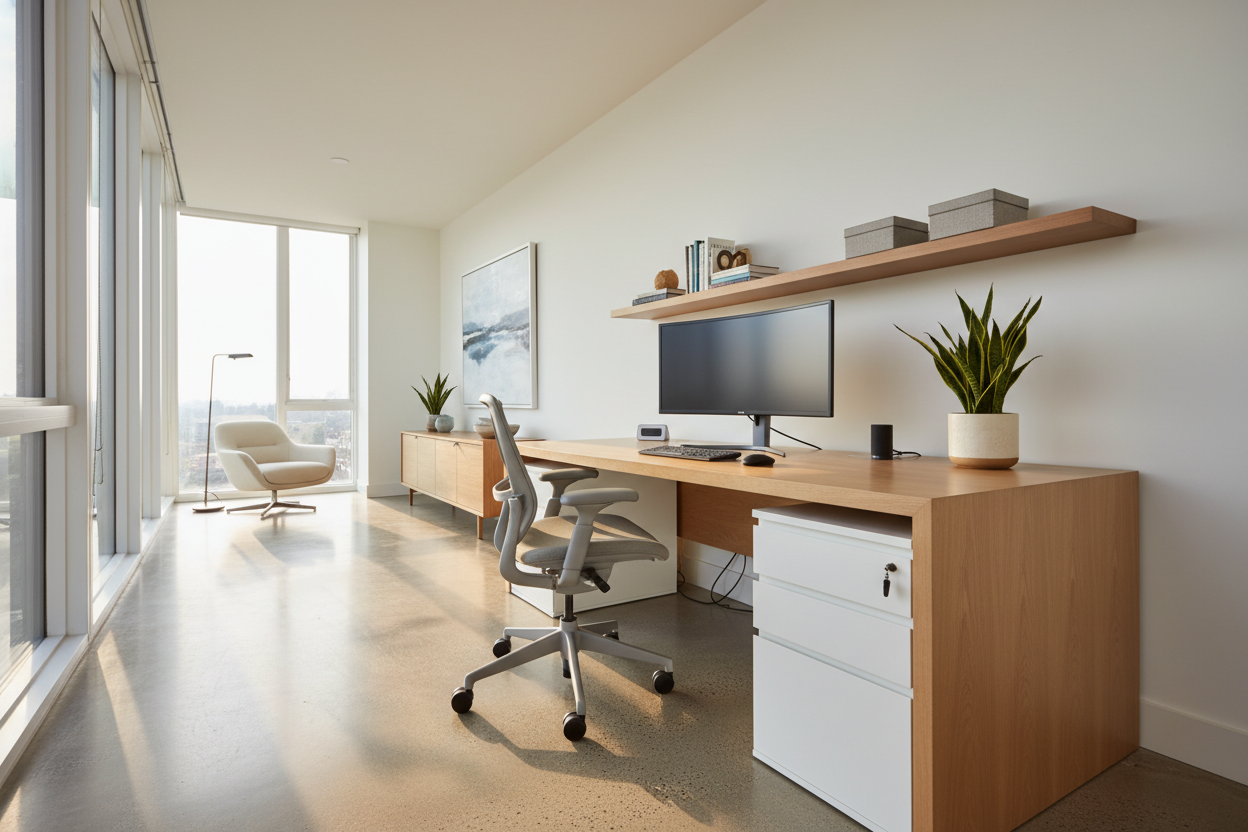
Most people instinctively push their desk flush against the nearest wall. This is a missed opportunity. In a beautiful study room, the desk often sits closer to the center of the space, facing the entrance. This 'command position' gives you a psychological sense of control, prevents people from sneaking up behind you, and opens up the wall behind the desk for large-scale art or shelving.
Carving Out Zones
If you do not have a dedicated room, study corner in bedroom ideas require clever zoning to maintain a relaxing sleep environment. Use a visually light writing desk—perhaps a sleek metal or slim walnut silhouette—and anchor it with a specific paint block or a textured runner rug to separate work from rest. A successful study room design for home relies on distinct physical boundaries, even if those boundaries are just visual.
Smart Storage and Shelving
The Power of Millwork
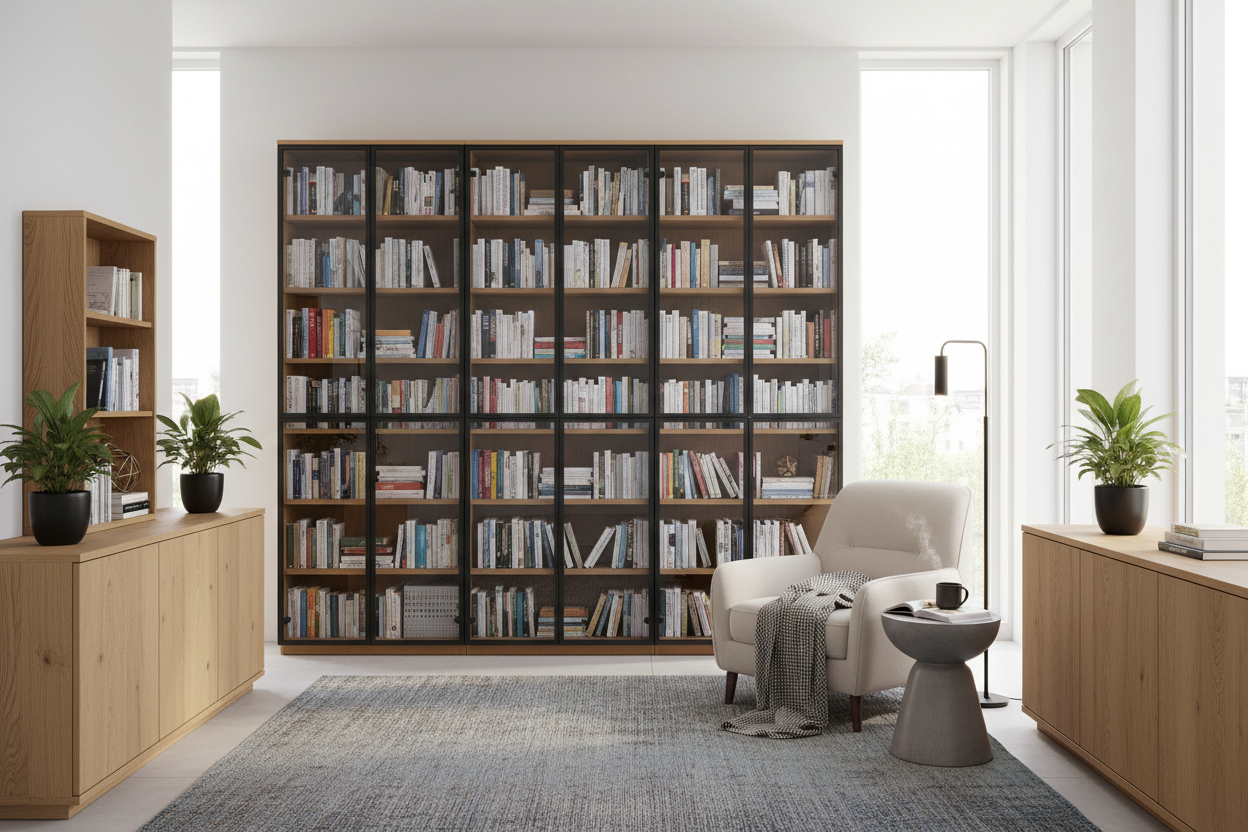
Nothing establishes a high-end, bespoke feel quite like built in study ideas. Floor-to-ceiling bookshelves painted in a unified color add immense architectural interest and visual weight. If custom millwork is not in the budget, you can fake the look by placing matching tall freestanding bookcases side-by-side and adding simple crown molding at the top. This instantly upgrades the interior of study room spaces without the custom price tag.
Balancing Open and Closed Storage
The best study room design acknowledges that daily work is messy. Keep your printer, files, and charging cables hidden behind solid cabinet doors or inside deep drawers. Reserve the open shelves above desk-height for books, sculptural objects, and trailing plants. This keeps the room feeling personal rather than purely utilitarian.
Layering Textures and Colors
Moving Beyond the Office Chair
When decorating home study environments, ditch the standard black mesh chair if it clashes with your home's aesthetic. Today, there are plenty of ergonomic chairs upholstered in rich velvets, supple leathers, or performance boucles that look like high-end residential furniture but still support your lumbar spine.
Adding Softness
Hard surfaces naturally dominate office spaces—desks, monitors, filing cabinets. You need to counteract the wood and metal with soft textiles. Hang heavy linen drapery, place an upholstered lounge chair in the corner for reading, and lay down a dense wool rug. These cool study room ideas not only look great, but they also absorb sound, making your video calls echo-free.
Designer's Honest Take
A few years ago, I fell hard for the moody, dark academia aesthetic. I convinced a client to paint their entire study—walls, trim, and ceiling—in a gorgeous, deep charcoal blue. It looked incredible in photos and felt incredibly sophisticated.
The unpolished reality? The room only had one small north-facing window. By 2 PM, the space felt like a cave, and the client needed three different lamps just to read a printed contract. I learned the hard way that deep, saturated colors require abundant natural light or a massive investment in layered architectural lighting. If you want a dark study, test large swatches on every wall and observe them throughout the day. Otherwise, you might end up with a room that puts you to sleep instead of helping you focus.
Frequently Asked Questions
Where should a desk be placed in a study?
Place it near a natural light source, ideally perpendicular to the window to avoid harsh glare on your computer screen. Whenever space allows, float the desk in the room facing the door rather than pushing it flat against a wall.
How do I decorate a study with no windows?
Rely heavily on layered lighting. Combine recessed ceiling lights, a dedicated desk lamp for task lighting, and a floor lamp with a warm-toned bulb. Hang a large mirror to bounce the artificial light around, and choose a lighter, warm-toned paint color to keep the room from feeling claustrophobic.
What is the best color for a home study?
It depends entirely on your working style. Soft greens and muted blues are naturally calming and great for high-stress work. Warm neutrals like taupe or mushroom provide a sophisticated, distraction-free backdrop that pairs well with natural wood furniture.

Dejar un comentario
Este sitio está protegido por hCaptcha y se aplican la Política de privacidad de hCaptcha y los Términos del servicio.