










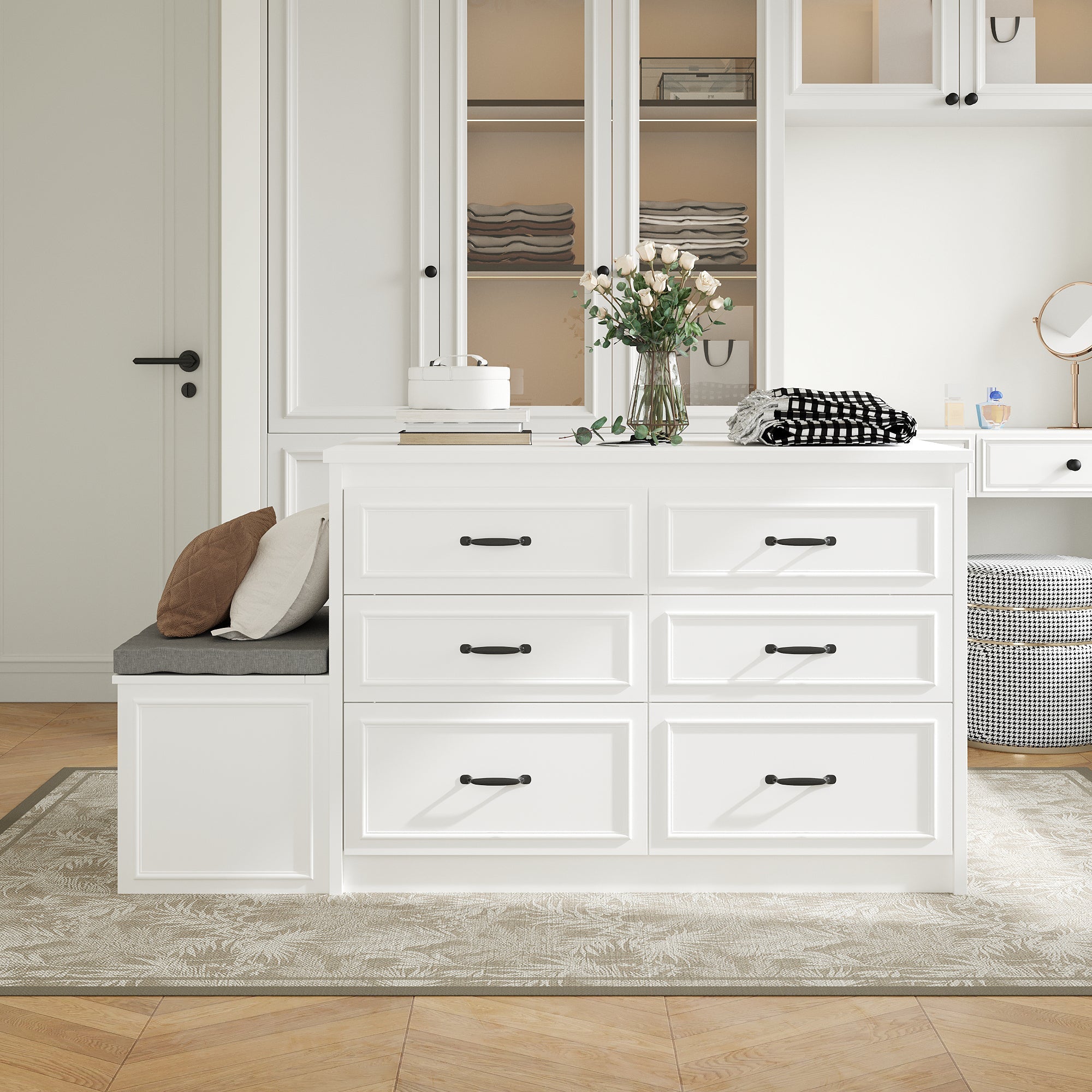
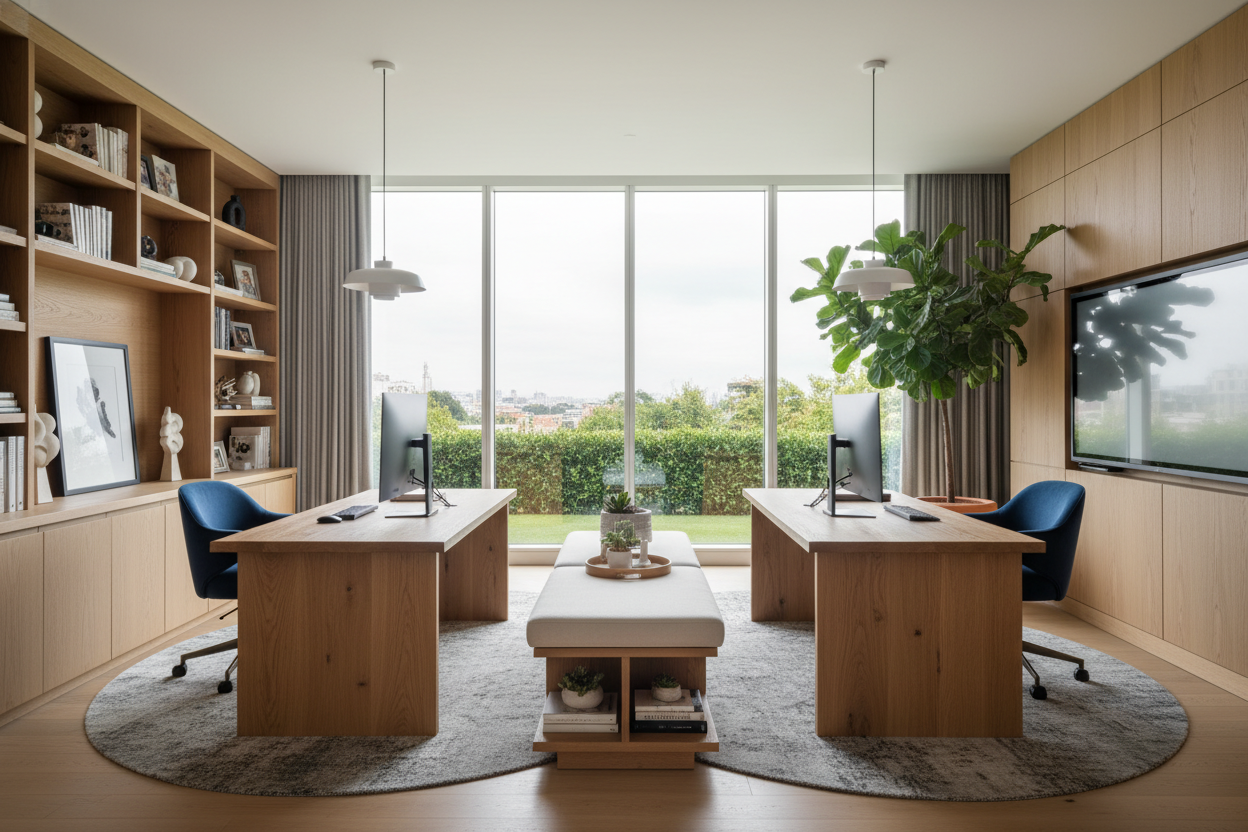
Sharing a workspace is an exercise in diplomacy as much as it is in design. The challenge isn't just squeezing two desks into a room; it is about merging two distinct working styles, video call schedules, and aesthetic preferences into a cohesive environment. If you are struggling to find balance between productivity and partnership, you are not alone. The right husband and wife home office ideas can turn a chaotic spare room into a sophisticated, dual-function sanctuary.
Key Design Elements for Dual Workspaces
- Layout Strategy: Prioritize traffic flow; decide between face-to-face, side-by-side, or T-shaped arrangements based on room dimensions.
- Acoustic Management: Incorporate soft furnishings (rugs, drapery) and acoustic panels to dampen sound transfer during simultaneous calls.
- Lighting Zones: Ensure each workstation has dedicated task lighting to prevent screen glare on the partner's monitor.
- Visual Cohesion: Merge conflicting styles using a neutral anchor palette (e.g., charcoal, taupe, or walnut wood tones).
- Ergonomic Independence: Invest in adjustable chairs that look uniform but cater to different height and lumbar needs.
Mastering the Floor Plan: Layouts That Flow
In my years designing residential workspaces, the layout is invariably the make-or-break factor. A beautiful desk is useless if one person is constantly blocking the doorway. The most successful husband and wife office ideas rely on geometry.
The T-Shape Arrangement
For medium-sized rooms, positioning two desks perpendicular to a wall (forming a 'T') allows you to face each other while maintaining a physical boundary. This is excellent for collaboration but requires a room width of at least 10 feet to allow chair movement on both sides.
The Face-to-Face Floating Setup
If you have a large room with a central focal point, floating two desks back-to-back in the center creates a powerful executive feel. However, this requires impeccable cable management (floor outlets are a must) and a unified desk style to maintain visual balance.
Merging Aesthetics: The "His and Hers" Compromise
The most common friction point I encounter is style divergence—perhaps one partner prefers industrial steel while the other leans towards French country. The solution lies in "Transitional Design."
Focus on material quality rather than rigid themes. A solid walnut slab desk appeals to both traditional and modern sensibilities. Pair it with mid-century modern leather chairs. The leather adds warmth and texture, while the clean lines keep the space feeling uncluttered. Use artwork to inject personality; a gallery wall can feature different mediums that represent both individuals without clashing.
Acoustics and Lighting: The Invisible Luxuries
Visuals sell the room, but comfort keeps you there. In a shared space, light bleed is a real issue. Avoid a single central ceiling fixture which casts shadows. Instead, layer your lighting. Use ambient sconces for general mood and directional task lamps with warm LED bulbs (2700K-3000K) for focused work.
Furthermore, never underestimate the power of textiles. Hard surfaces bounce sound. To prevent your partner’s Zoom call from echoing into your microphone, install heavy linen drapery and a high-pile wool rug. These elements absorb sound waves while adding a layer of luxury to the room.
Lessons from My Own Projects: The "Cord Chaos" Reality
I once designed a stunning face-to-face office for a couple in a downtown loft. On paper, it was flawless—sleek custom joinery, Herman Miller chairs, and a view of the skyline. However, I made a critical oversight regarding their tech habits.
I hadn't accounted for the sheer volume of peripherals they used—external hard drives, stream decks, and charging docks. When we installed the desks, the "floating" look was immediately ruined by a waterfall of black cables dangling between their legs. It looked messy and cheapened the high-end furniture.
I had to retrofit a modesty panel with a built-in cable raceway between the two desks. It was a humble fix, but it saved the design. The lesson? Always audit your technology before buying the furniture. If you plan to float your desks, if you don't have floor outlets, you will be tripping over extension cords. Now, I always insist on integrated cable management spines for any dual-desk setup.
Conclusion
Creating a shared home office is less about matching furniture and more about respecting individual workflows within a shared footprint. By prioritizing a functional layout and investing in quality materials that dampen sound and organize clutter, you create a space where both careers can thrive side-by-side.
Frequently Asked Questions
How do we fit two desks in a small bedroom?
In tight spaces, utilize the perimeter. A long, continuous wall-mounted countertop (floating desk) saves floor space and visual weight. Alternatively, place desks on opposite walls so you are back-to-back, which prevents chair collisions in the center of the room.
What if we have vastly different temperature preferences?
Position the person who runs warm closer to the HVAC vent or window. Ensure the room has a ceiling fan for circulation. Avoid heavy velvet chairs which retain heat; opt for breathable mesh or perforated leather options instead.
How do we handle video calls at the same time?
Soundproofing is key. Install acoustic foam panels (which can be disguised as art canvas) on the walls in front of you to absorb your voice. Invest in high-quality noise-canceling headsets with directional microphones, and try to position desks so cameras don't capture the other person in the background.

Dejar un comentario
Este sitio está protegido por hCaptcha y se aplican la Política de privacidad de hCaptcha y los Términos del servicio.