










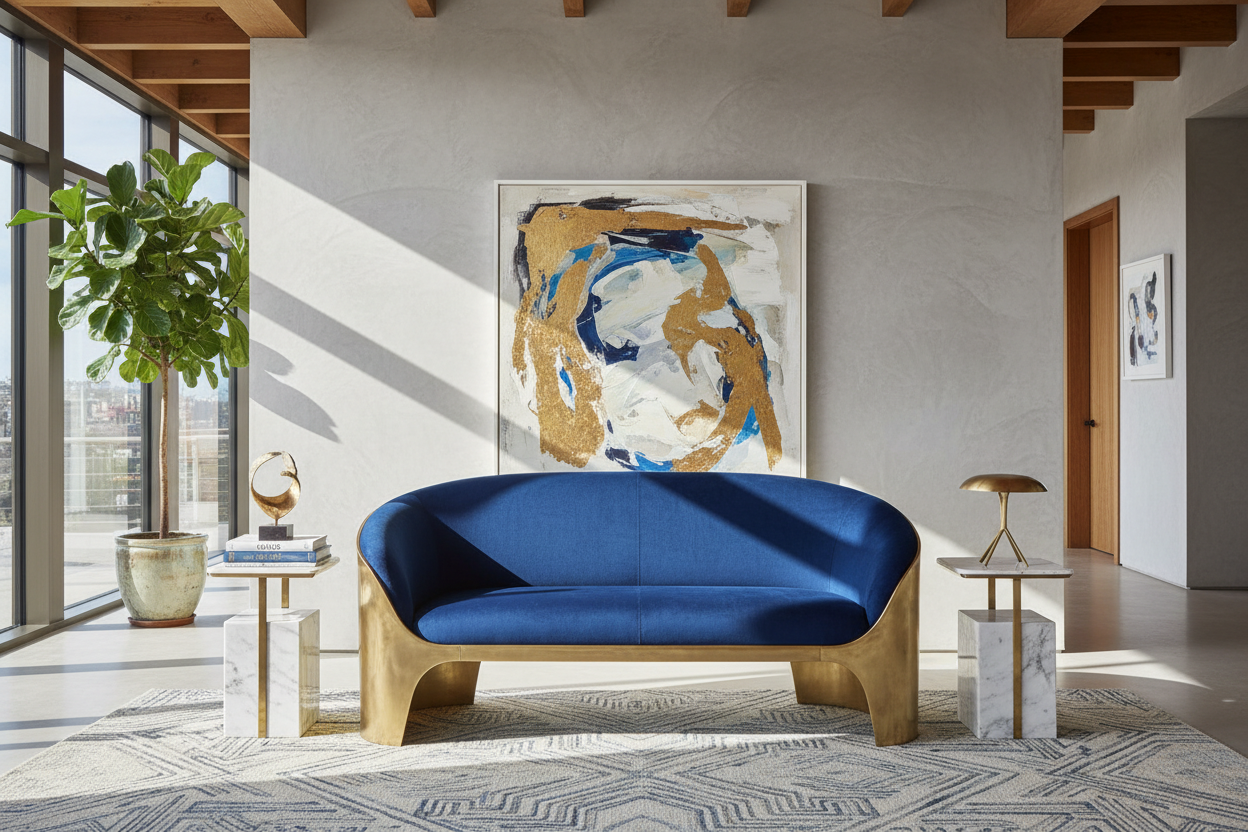
There is a specific design paralysis that occurs when furnishing a room that sits somewhere between a grand formal living area and a cozy den. You want sophistication, but a full-sized sofa feels too heavy, and a pair of armchairs feels too detached. This is where the fancy loveseat thrives. It is not merely a shrunken sofa; it is a dedicated architectural moment that creates intimacy while elevating the room's visual hierarchy. Whether you are curating a reading nook in a master suite or anchoring a conversation circle, selecting the right piece requires looking beyond the velvet sheen and examining the structural integrity beneath.
Key Features to Look For
Before falling in love with a silhouette, use this checklist to ensure the piece justifies the investment and fits your lifestyle:
- Frame Construction: Look for kiln-dried hardwood frames (maple or oak) rather than plywood or particleboard to prevent warping over time.
- Suspension System: 8-way hand-tied springs offer the gold standard for longevity and support, whereas sinuous springs are common in mid-tier options.
- Upholstery Grade: Check the rub count (double rubs). A luxury fabric should exceed 30,000 double rubs for residential durability.
- Scale and Proportion: Ensure the seat depth (typically 21-24 inches) complements the height of the backrest to maintain visual balance.
Choosing the Right Material: Texture vs. Life
When clients ask for a "fancy" aesthetic, they usually gravitate immediately toward high-pile velvets or delicate silks. While these materials reflect light beautifully and add depth to a room, they are unforgiving. For a high-end look that withstands reality, I often recommend high-performance mohair or a commercial-grade boucle. These textures offer that tactile richness—the kind that makes you want to run your hand along the armrest—but they resist crushing and pilling far better than standard cotton velvet.
If you are aiming for an organic modern vibe, consider a full-grain aniline leather. Unlike corrected leathers which look plastic-coated, aniline develops a patina. It tells a story. A fancy love seat in cognac leather creates a focal point that feels curated rather than just purchased.
Space Planning & Layout
The placement of a loveseat dictates the flow of the room. A common error is pushing these pieces flush against a wall, which often makes a room feel smaller and the furniture look like an afterthought. Instead, try floating the piece.
The Floating Arrangement
Position the loveseat perpendicular to your main sofa or fireplace. This disrupts the "bowling alley" effect of rectangular rooms. Because loveseats have a smaller footprint, you can afford to leave 30 to 36 inches of clearance behind them for a walkway. This negative space signifies luxury just as much as the furniture itself.
Visual Weight and Leg Style
Pay attention to the silhouette. If your main sofa is skirted or heavy-bottomed, choose a loveseat with exposed, tapered legs. This reduces the visual weight of the room, allowing light to pass underneath and keeping the space feeling airy. Conversely, if your room feels too sparse, a bullion-fringed base can add necessary grounding.
Ergonomics and Comfort
A piece can look stunning in a catalog but feel terrible to sit on. The "pitch" (the angle of the backrest) is critical. A formal settee might have an upright 90-degree pitch, which is excellent for entryways but disastrous for a media room. For lounging, look for a slight recline and a seat cushion composed of a down-feather wrap over a high-density foam core. This gives you the "sink-in" crown appearance without the cushion looking deflated after an hour of use.
Lessons from My Own Projects
I want to share a specific realization I had while sourcing for a penthouse project in Chicago. We installed a stunning, tufted cream velvet loveseat—an absolute showstopper. It checked every box for "fancy." However, six months later, I visited the client, and we noticed something usually omitted from showroom talks: the "crumb trap."
Deep button tufting on a seat cushion creates pockets that are nearly impossible to vacuum effectively without a specialized nozzle. We realized that while tufting on the backrest is timeless and durable, tufting on the seat itself is a maintenance nightmare for anyone who actually lives in their home. Since then, I always advise clients: keep the seat cushions smooth or with a single bench cushion for a cleaner line, and reserve the intricate tufting for the vertical surfaces. Additionally, check the weight of the piece. We once bought a lightweight, beautiful loveseat that slid backward every time someone sat down. We had to retrofit rubber grips to the legs—a clumsy fix for a high-end piece. Now, I always test the heft; a fancy loveseat should feel anchored to the floor.
Conclusion
Integrating a fancy loveseat into your home is about balancing the sculptural beauty of the furniture with the practical needs of your daily life. It is an opportunity to introduce a bolder color, a richer texture, or a more daring shape than you might risk on a large sectional. Treat it as the jewel of the room—a piece that invites conversation and offers a touch of everyday elegance.
Frequently Asked Questions
What is the standard size of a fancy loveseat?
While sizes vary by style, most loveseats range between 52 and 71 inches in length. Always measure your entryways and hallways before purchasing, as high-backed luxury designs can be difficult to maneuver through tight turns.
Can I mix a modern loveseat with a traditional sofa?
Absolutely. In fact, matching sets are often discouraged in high-end design. The key is to link them through a common element, such as a shared color in the upholstery undertones, similar leg finishes, or coordinating throw pillows.
How do I style pillows on a smaller seat?
Less is more. On a loveseat, two standard 20-inch pillows can overwhelm the seating area. Instead, opt for a single lumbar pillow centered on the piece, or one smaller decorative pillow (16-18 inches) tucked into a corner to maintain the available seating width.

Dejar un comentario
Este sitio está protegido por hCaptcha y se aplican la Política de privacidad de hCaptcha y los Términos del servicio.