










The transition from a makeshift dining table setup to a dedicated workspace is a pivotal moment in residential interior design. A well-chosen piece does more than hold your laptop; it anchors the room and defines your productivity zone. When selecting desks for office at home, the goal is to find a balance where architectural form meets ergonomic function, ensuring the piece complements your existing decor rather than clashing with it.
Quick Decision Guide: Key Features to Look For
- Surface Dimensions: For a standard workflow involving a laptop and monitor, aim for a width of at least 48 to 60 inches. Depth should be minimum 24 inches to accommodate proper focal distance.
- Material Integrity: Solid wood offers longevity and refinishing potential; high-pressure laminate is better for resistance against heat and moisture.
- Cable Management: Look for integrated grommets or hidden channels. An office home desk without wire management quickly becomes a visual burden.
- Leg Clearance: Ensure the apron (the bar under the surface) allows roughly 25 inches of clearance for your thighs when seated.
Selecting the Right Material Palette
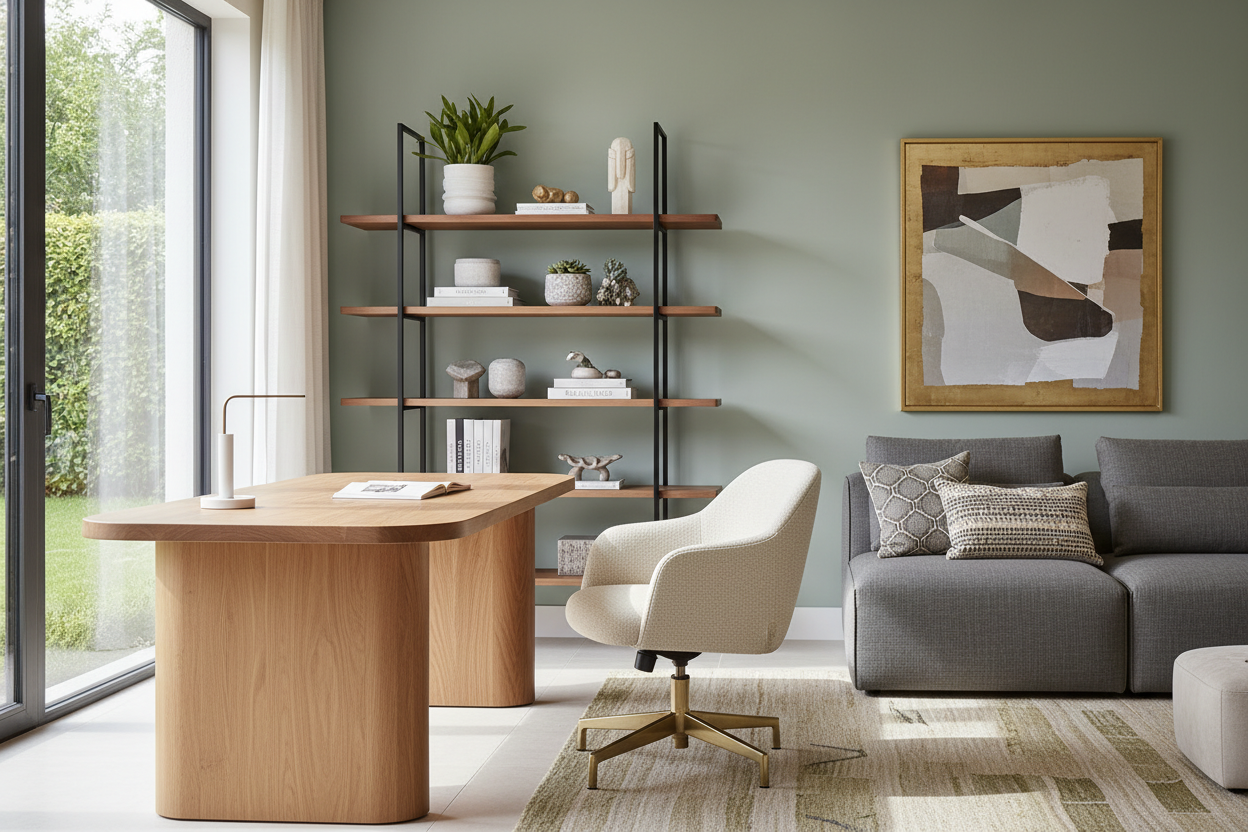
As a designer, I always start with materiality. The texture and finish of your desk dictate the room's atmosphere. For a warm, organic feel, walnut or white oak are superior choices. They age beautifully and hide the minor indentations that occur over time. If you are leaning towards a modern, industrial aesthetic, a glass or metal office desk at home creates a sense of lightness, making small rooms feel larger.
However, be wary of cheap veneers. In the world of desks home office furniture, a thin veneer over particle board can chip within months, exposing the composite underneath. Always check the edge banding; if it looks like a sticker, walk away.
Spatial Planning and Layout
Placement is just as critical as the furniture itself. The most common error I see is pushing the desk directly against a wall in a dark corner. Ideally, you want to float the desk in the room or position it perpendicular to a window to maximize natural light without causing screen glare.
The Multi-Functional Approach
In many urban apartments, we don't have the luxury of a closed-door study. Here, we look for an at home office table—a hybrid design that mimics a console or dining table. These pieces often lack heavy drawers, offering a lighter silhouette that blends into a living room or bedroom without screaming "workplace."
Family Desks and Shared Spaces
If the workspace serves multiple household members, you are looking for family desks. These require durable finishes like quartz or engineered wood that can withstand homework projects, craft glue, and coffee spills. For these setups, I recommend T-shaped layouts or long, library-style tables that allow two people to work side-by-side without encroaching on each other's elbow room.
My Personal Take on Desks for Office at Home
I learned a hard lesson early in my career regarding "waterfall" edge glass desks. I specified a stunning, single-piece bent glass desk for a client in a high-rise. Visually, it was a masterpiece—completely invisible and chic. However, three weeks later, the client called me complaining about the "cold factor."
Every morning, resting their wrists on the glass sapped the heat right out of their hands, making typing uncomfortable. Furthermore, the lack of cable management meant we had to zip-tie wires down the clear legs, which ruined the ethereal look. Now, I only recommend glass if the client uses a substantial leather desk pad. It’s a reminder that tactile comfort is just as important as the visual profile.
Conclusion
Investing in the right workspace furniture is an investment in your daily mental state. Whether you choose a heavy mahogany executive desk or a minimalist at home office table, prioritize ergonomics and material quality. Your environment shapes your output; make sure it is designed to support you.
Frequently Asked Questions
What is the ideal height for a home office desk?
The standard industry height is between 29 and 30 inches. However, if you are shorter than 5'4", you may need a footrest or an adjustable chair to ensure your elbows remain at a 90-degree angle while typing.
How do I protect a wood desk from scratches?
I always advise clients to use a high-quality leather or felt desk blotter. This protects the finish from writing indentations and heat from laptops while adding a layer of texture to the design.
Can I use a dining table as a desk?
Yes, but be mindful of the apron height. Dining tables often have lower skirts that can pinch your legs when used with an office chair, which typically sits higher than a dining chair.

Dejar un comentario
Este sitio está protegido por hCaptcha y se aplican la Política de privacidad de hCaptcha y los Términos del servicio.