










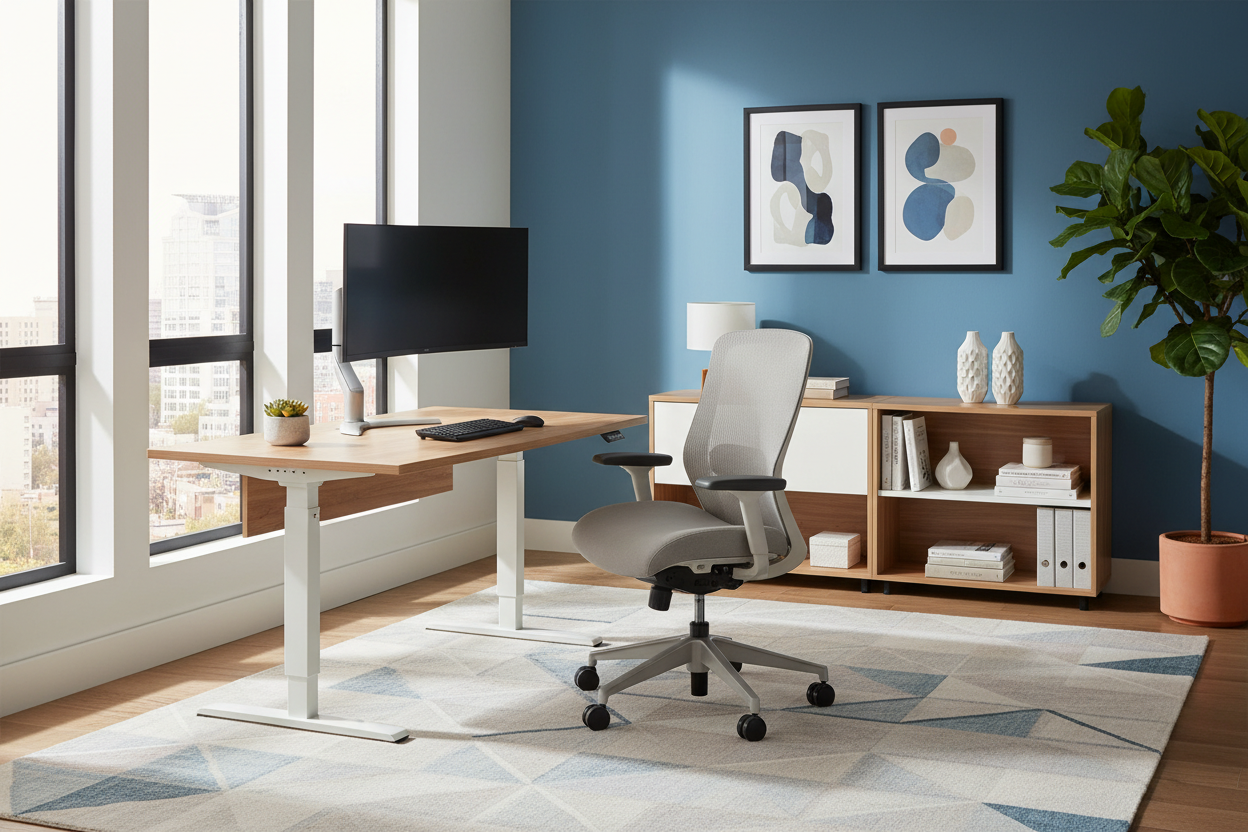
The boundary between professional life and personal sanctuary has never been more porous. The design dilemma I encounter most frequently isn't about finding a desk that fits; it is about preventing a residential space from feeling like a sterile corporate cubicle. True modern home office furniture design is about balance—merging high-performance ergonomics with the warmth and texture of a curated home.
Key Features to Look For
- Material Integrity: Prioritize solid woods (walnut, white oak) or high-grade veneers over hollow-core composites for longevity.
- Ergonomic Silhouettes: Look for adjustable seating that conceals mechanisms within a sleek, designer profile.
- Visual Weight: Choose pieces with leggy, open structures to maintain airflow and light in smaller rooms.
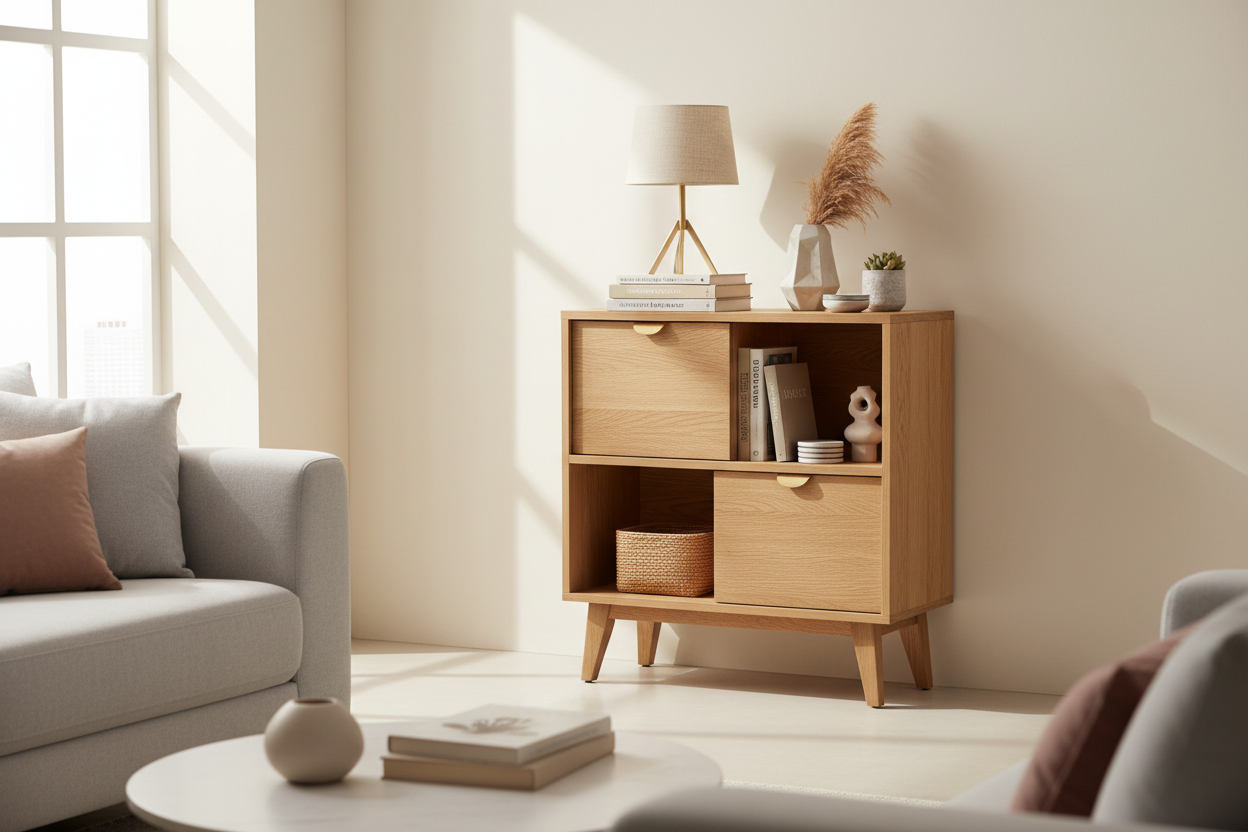
- Modular Capability: Select storage that can evolve or move as your spatial needs change.
Curating Materials: Beyond the Corporate Beige
When selecting modern office furniture for home use, the tactile experience is paramount. In a commercial setting, durability often dictates cold laminates. In your home, however, we have the luxury of texture. I often steer clients toward matte-finished metals and natural stones.
For desktops, consider the interplay of light. Glass surfaces can make a small room feel expansive, but they can be cold to the touch and demanding to clean. Conversely, a rich timber desk anchors the room, providing a sense of permanence. When browsing contemporary office furniture for sale, inspect the joinery. Dovetail joints and soft-close hardware are the silent indicators of quality that separate investment pieces from temporary fixes.
The Myth of the "Set"
One common pitfall is buying contemporary home office furniture sets straight from a catalog. While convenient, buying a matching desk, bookshelf, and file cabinet often results in a flat, showroom appearance. To achieve a designer look, we mix materials.
Try pairing a heavy, architectural timber desk with a slim profile leather chair. If you need storage, look for office designer furniture that complements rather than copies your main pieces. This layered approach creates depth and makes the space feel collected over time, rather than purchased in a single afternoon.
Seating: The Anchor of Productivity
Stylish office furniture must support the body for eight hours a day. However, the aesthetic of the chair dictates the room's vibe. We are moving away from the massive, mesh-backed "command centers" toward chairs wrapped in boucle, velvet, or cognac leather that hide their ergonomic levers.
Expanding the Zone
If your floor plan allows, introduce auxiliary seating. Modern office benches are fantastic for breaking up the rigidity of a room. Placed under a window or against a far wall, a bench offers a place to read documents away from the screen or a spot for a partner to chat, turning the office into a multi-functional studio.
Spatial Planning for Flow
Contemporary study furniture should never impede traffic. The "floating desk" layout—placing the desk in the center of the room facing the door—commands authority and frees up wall space for art or shelving. Ensure you have at least 36 to 48 inches of clearance behind your chair to slide back comfortably without hitting a credenza.
Lessons from My Own Projects
I want to share a specific mistake I made early in my career so you don't have to. I once specified a stunning, high-gloss black lacquer desk for a client who wanted a "sleek, ultra-modern" look. It looked incredible on installation day.
Two weeks later, the client called. The desk was a nightmare. It showed every single fingerprint, dust mote, and micro-scratch from their laptop base. It became a source of anxiety rather than productivity. Since then, I always test finishes for "livability." Now, when I source furniture, I literally run my hand across the surface to see how it handles oils and friction. I also check the underside of desks—if it's rough plywood underneath, it will snag your tights or scratch your knees. Real luxury is in those unseen details.
Conclusion
Investing in the right workspace elements is an investment in your daily mindset. By focusing on authentic materials, avoiding the "matchy-matchy" trap, and prioritizing tactile comfort, you create a space that invites creativity. Don't just fill a room; curate an environment that works as hard as you do.
Frequently Asked Questions
How do I maintain wood office furniture?
Dust weekly with a microfiber cloth and use a specific wood conditioner every six months. Avoid placing solid wood desks in direct sunlight or directly over heat vents, as this can cause warping or fading over time.
Can I fit modern furniture in a small box room?
Absolutely. Look for "ladder desks" or wall-mounted floating units. These designs utilize vertical space and minimize the footprint, keeping the floor visible which tricks the eye into seeing a larger room.
Is designer office furniture worth the cost?
Generally, yes. Higher-end pieces use better foam density in chairs (preventing sagging) and superior hardware in drawers. In a piece of furniture you use for 40+ hours a week, the cost-per-use value is exceptionally high.

Dejar un comentario
Este sitio está protegido por hCaptcha y se aplican la Política de privacidad de hCaptcha y los Términos del servicio.