











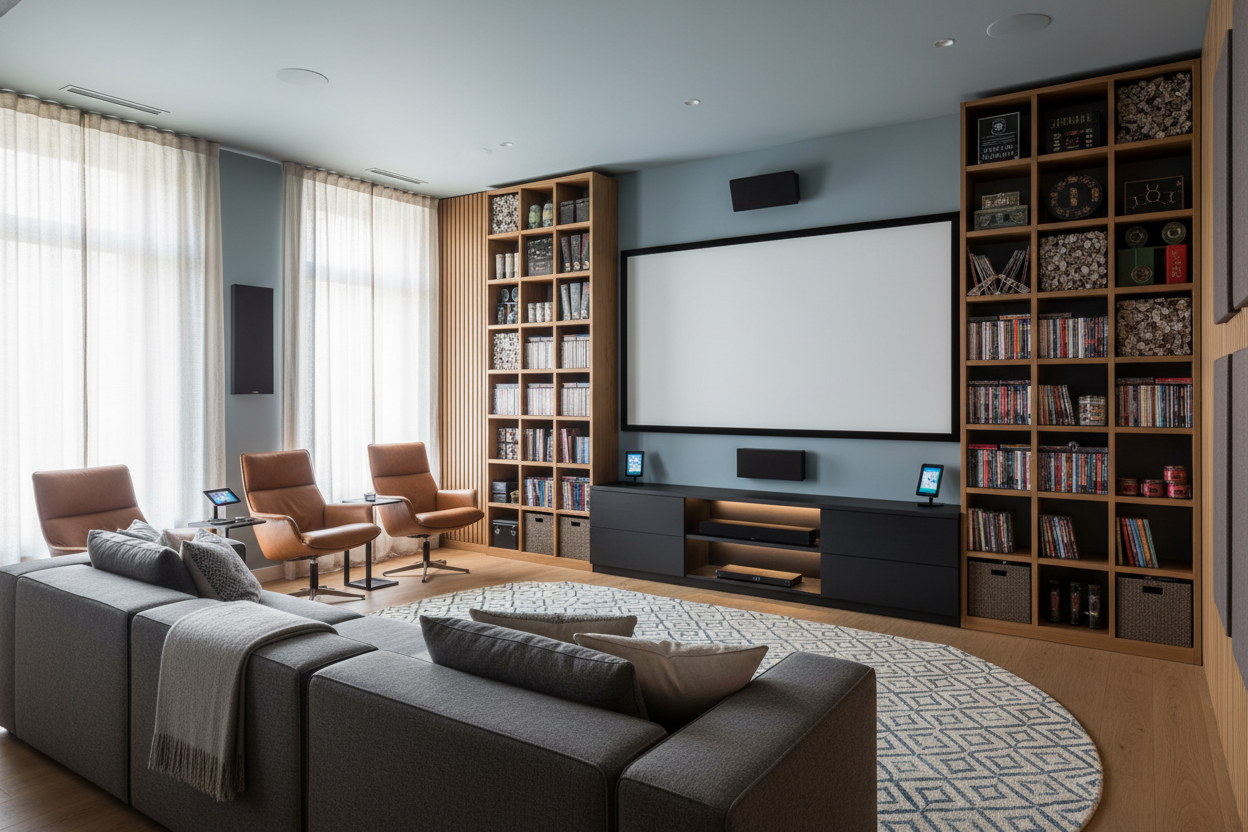
Designing a dedicated media space often presents a distinct dilemma: you want the immersive, plush comfort of a high-end cinema, but you do not want the bulky, dated aesthetic of traditional reclining rows. Nor do you likely want the five-figure price tag that accompanies custom joinery. This is where a strategic approach to ikea home theater furniture becomes a designer's secret weapon. By looking past the showroom floor setups and focusing on modularity and texture, you can curate a viewing experience that feels bespoke rather than big-box.
Quick Decision Guide: Key Features to Look For
Before you start measuring your room, keep these four critical factors in mind to ensure your selection offers longevity and cinematic function:
- Modular Flexibility: Prioritize series like VIMLE or KIVIK that allow you to expand seating configurations as your needs change.
- Fabric Durability (Martindale Score): Look for covers with a cycle count above 25,000 to withstand frequent friction during long movie marathons.
- Matte Finishes: Avoid high-gloss media units; they reflect screen light and distract the eye. Opt for matte or wood veneer finishes.
- Low-Profile Silhouettes: Ensure seat heights do not obstruct audio waves from surround speakers or block sightlines.
Curating the Perfect Seating Layout
In an ikea movie room, the seating is the anchor. As a designer, I advise against the standard 3-seater sofa in favor of deep-seated sectionals that mimic the "lounge" feel of a VIP cinema.
The Deep-Seat Advantage
The KIVIK series is a staple in my designs for media rooms because of its low center of gravity and wide armrests. The wide arms act as functional surfaces for trays or remote controls, eliminating the need for cluttering side tables. When planning your layout, ensure you have at least 30 inches of clearance between the coffee table (or ottoman) and the sofa edge to allow for leg extension without cramping the circulation path.
Ergonomics and Head Support
While low profiles look sleek, neck support is crucial for a two-hour film. If you opt for the VIMLE series, consider the add-on headrests. They provide necessary ergonomic support during viewing but can be removed when the room is used for social gatherings, maintaining visual flow.
The Media Console: Creating a Built-in Look
Nothing ruins the immersion of an ikea theater room faster than visible chaotic wiring. The BESTÅ system is the gold standard here, but the trick is in the installation.
To elevate the look, I always recommend wall-mounting the BESTÅ units rather than using the standard legs. Floating the cabinetry creates a sense of airiness and makes the room feel larger. Crucially, choose the dark grey or black-brown finishes. These darker tones recede into the shadows when the lights go down, keeping the focus strictly on the screen. Ensure you utilize the UTRUSTA push-openers to eliminate hardware reflection.
Acoustics and Textural Balance
Hard surfaces are the enemy of good sound. IKEA furniture is often laminate or wood veneer, which reflects sound waves. To counter this, you must introduce soft textures.
Layering is key. Use heavy, velvet curtains like the SANELA collection not just on windows, but perhaps on the back wall to dampen echo. Pair your seating with a high-pile rug (like the STOENSE) to absorb sound reflections from the floor. This balance of hard furniture and soft textiles creates that "hushed" cinema atmosphere.
My Personal Take on IKEA Home Theater Furniture
I have specified IKEA pieces for high-end rentals and personal projects alike, and here is a detail most catalogs won't tell you: be wary of the break-in period on the cushions.
In my own basement media setup, I used the JÄTTEBO modular series. Initially, the foam felt incredibly stiff—almost too firm for a cozy movie night. It took about three months of regular use for the foam to soften into that "sink-in" sweet spot. Another thing I learned the hard way involves the BESTÅ hinges. If your floors aren't perfectly level (and they rarely are), the doors will sag over time. I now keep a screwdriver in the media drawer specifically to tighten and realign those hinges every six months. It’s a small maintenance trade-off for the custom look, but it is something you should be prepared for.
Conclusion
Creating a cinematic experience at home doesn't require a Hollywood budget. By selecting deep, modular seating, opting for matte finishes that absorb light, and paying attention to acoustic textures, you can transform a standard room into a luxury escape. Trust your measurements, prioritize comfort, and enjoy the show.
Frequently Asked Questions
How do I hide cables with IKEA media units?
Most IKEA media units, particularly the BESTÅ line, feature a dedicated cable management channel at the back. For a cleaner look, use the MONTERA cable trunking inside the cabinets to keep power strips organized and off the shelf surface.
Can IKEA sofas handle the weight of home theater risers?
Yes, most IKEA sofas are structurally sound enough for risers. However, because many models use engineered wood frames, ensure the riser platform is solid and fully supports the sofa's feet to prevent frame warping.
What is the best color for IKEA furniture in a theater room?
Darker colors are superior for immersion. Anthracite, dark blue, or black finishes minimize light reflection from the screen. If you prefer lighter furniture, ensure you have throw blankets available to cover them during viewing to prevent visual distraction.

Dejar un comentario
Este sitio está protegido por hCaptcha y se aplican la Política de privacidad de hCaptcha y los Términos del servicio.