










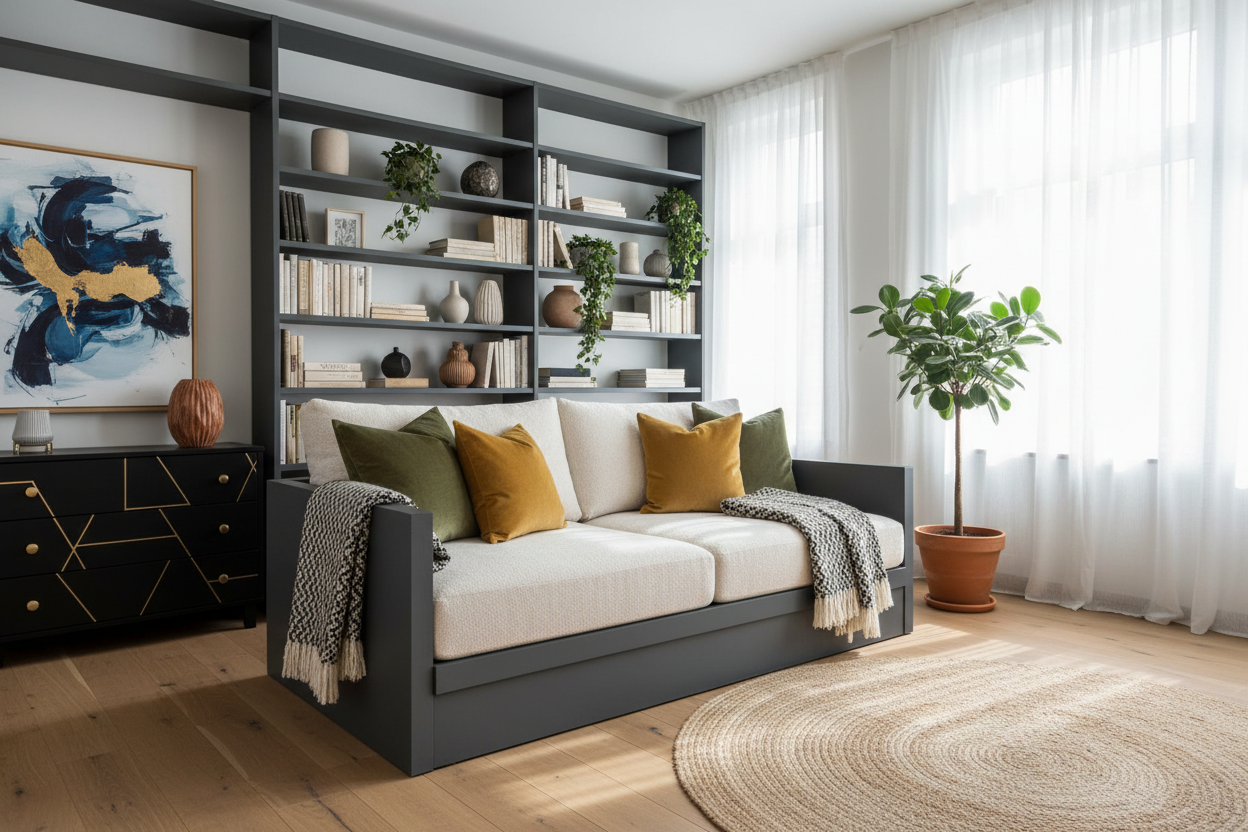
We have all encountered that awkward, empty corner in a master suite. It often becomes a graveyard for throw pillows or, worse, a laundry pile. The design solution is rarely more storage; it is better seating. Integrating a sofa into the bedroom creates a dedicated zone for decompression—reading, putting on shoes, or simply enjoying a morning coffee away from the kitchen chaos. However, the challenge lies in selection. Can an ikea bedroom sofa truly offer the sophistication required for a sanctuary space? The answer is yes, provided you approach the purchase with a designer's eye for scale and texture.
Key Features to Consider Before Buying
- Visual Weight & Scale: Ensure the sofa doesn't overpower the bed, which should remain the focal point. Low-profile backs work best.
- Modularity: Bedrooms often have tighter entryways than living rooms; modular pieces ensure the furniture actually fits through the door.
- Fabric Martindale Rating: Even in a low-traffic bedroom, look for fabrics with a rub count above 15,000 to prevent pilling from sitting on the edge.
- Leg Height: Higher legs allow light to pass underneath, making smaller bedrooms feel more spacious and airy.
Mastering Scale and Layout
In bedroom design, proportion is everything. A common mistake homeowners make is selecting a piece that competes with the bed frame. When sourcing a bedroom sofa ikea offers, prioritize silhouettes with clean lines and lower back profiles.
If placing the sofa at the foot of the bed, the sofa back should ideally be lower than the footboard or mattress height to maintain a clear sightline. For corner placements, consider the depth. A standard living room sofa is often too deep (around 35-40 inches) for a bedroom. Look for compact frames or "apartment size" dimensions that offer comfort without encroaching on walking paths.
The Case for the IKEA Divan Sofa
If a full loveseat feels too heavy for your floor plan, consider an ikea divan sofa or chaise lounge. These pieces offer asymmetry, which adds architectural interest to a boxy room. A divan allows for lounging without the visual bulk of armrests on both sides. This is particularly effective in front of a window, as the lack of a high back preserves natural light and views.
Materiality: Elevating the Standard Finish
The difference between a "budget buy" and a "designer look" usually comes down to textiles. Standard IKEA cotton drills are functional, but for a bedroom—which should feel tactile and soft—you want materials that catch the light differently.
Texture and Tone
Opt for weaves that mimic linen or velvet. Velvet absorbs light, adding depth and a sense of quiet luxury, while linen blends offer a relaxed, organic aesthetic. If the stock covers feel too utilitarian, this is where I usually advise clients to invest in third-party custom covers. Upgrading the fabric is the single most effective way to make a mass-market frame look bespoke.
My Personal Take on IKEA Bedroom Sofas
I recently specified a modified Söderhamn section for a client's master suite renovation in a tight city brownstone. We chose it specifically for its low profile and modularity, as getting a traditional sofa up the narrow spiral staircase was impossible.
Here is the unpolished truth I learned from that install: while the aesthetic was perfect, the standard chrome legs looked undeniably "showroom." We swapped them for tapered wooden legs from a hardware supplier, and the piece instantly looked three times its price. Also, a specific nuance regarding assembly—do not tighten the bolts fully until the piece is in its final position in the bedroom. Floors are rarely perfectly level, and tightening them in place allows the frame to settle without the dreaded "wobble" that often plagues flat-pack furniture.
Conclusion
Adding seating to your sleeping quarters shifts the room from a purely functional space to a true retreat. You do not need an Italian import to achieve this; you simply need to select the right silhouette and upgrade the tactile details. With thoughtful placement and perhaps a leg swap, your IKEA find can become the most inviting spot in the house.
Frequently Asked Questions
How much space do I need for a bedroom sofa?
Ideally, you need at least 30 inches of clearance between the sofa and any other furniture (like the bed or dresser) to allow for comfortable traffic flow. If placed at the foot of the bed, ensure you can walk around it without shuffling sideways.
Can I use a sleeper sofa in the bedroom?
While functional, sleeper mechanisms add significant weight and bulk. Unless you intend to use your master bedroom as a guest overflow room frequently, stick to a stationary sofa or a daybed to keep the visual profile light and elegant.
How do I keep the sofa from looking like a laundry chair?
Style it intentionally. Keep a textured throw blanket draped over one arm and a lumbar pillow in the center. When a piece of furniture looks "dressed," you are psychologically less likely to clutter it with discarded clothing.


Dejar un comentario
Este sitio está protegido por hCaptcha y se aplican la Política de privacidad de hCaptcha y los Términos del servicio.