










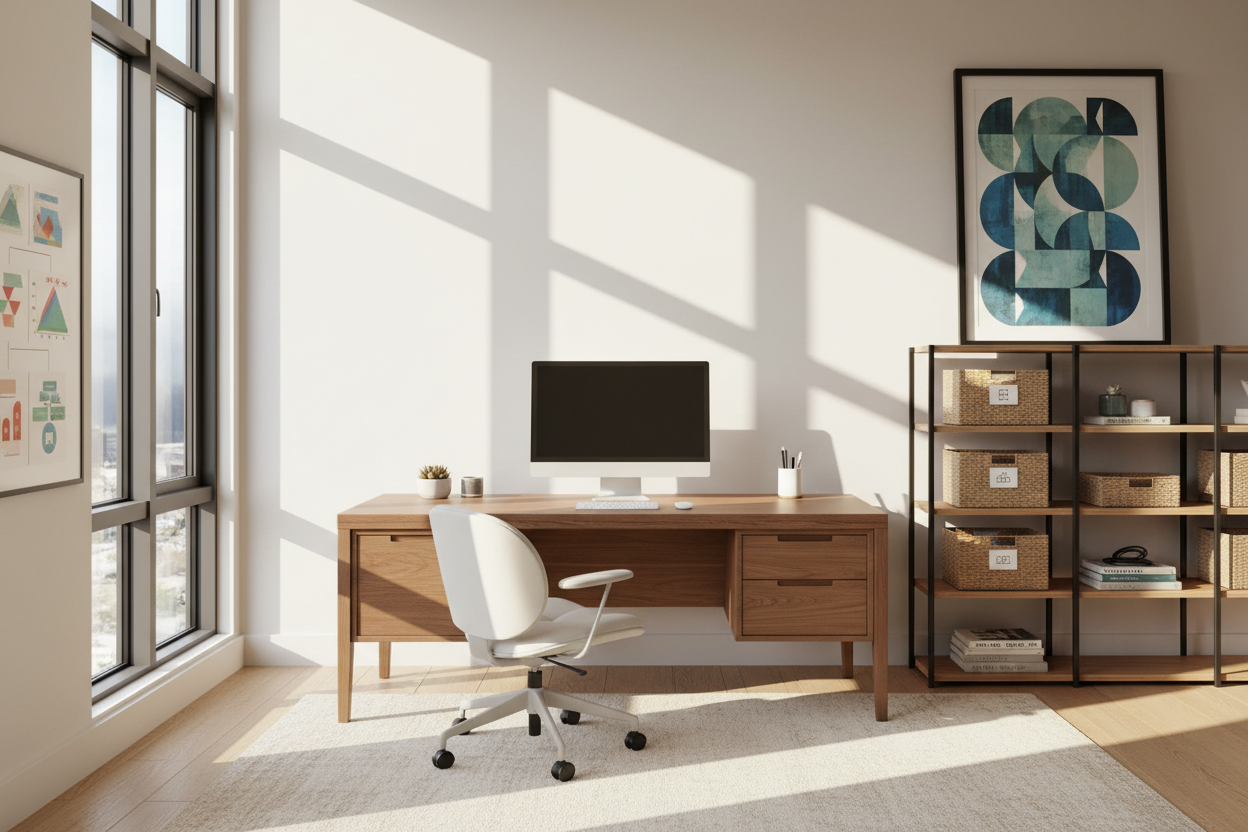
The boundary between professional focus and domestic comfort has never been more porous. When your dining table doubles as a conference room, or your guest bedroom becomes a corporate headquarters, the visual noise of clutter does more than just look messy—it fragments your attention. As a designer, I see this constantly: clients invest in a high-end ergonomic chair but neglect the infrastructure that actually keeps the mind clear. True work from home organization isn't just about plastic bins; it is about creating a sophisticated ecosystem where every object has a designated sanctuary.
Key Features to Look For
- Vertical Utilization: Prioritize tall bookcases or wall-mounted shelving to draw the eye upward and free up valuable floor square footage.
- Material Tactility: Choose closed storage with natural textures (wood grain, matte lacquer) to hide unsightly paperwork while adding warmth.
- Integrated Cable Management: Look for desks with built-in grommets, modesty panels, or channels to conceal the 'spaghetti' of wires.
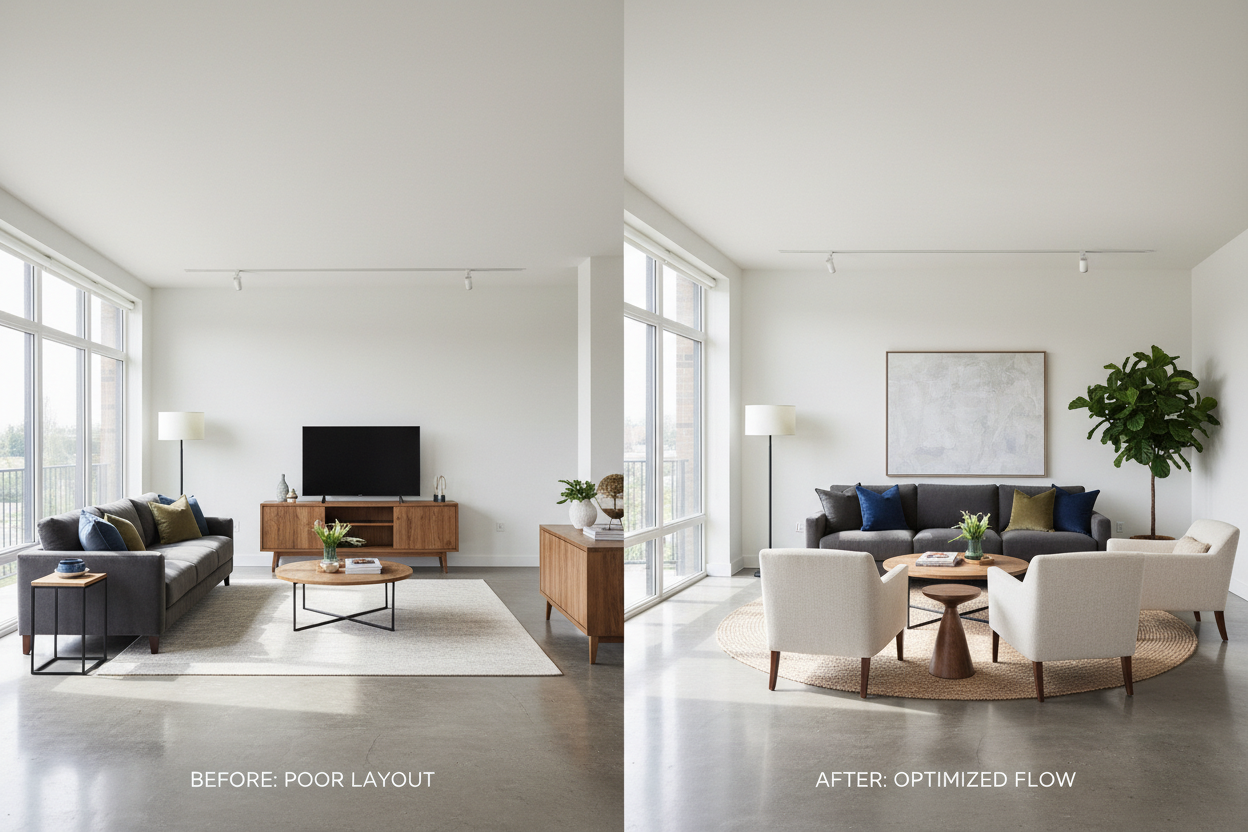
- Zoning Capabilities: Use area rugs or open-backed shelving units to physically delineate the 'work zone' from the 'living zone'.
Spatial Planning and Zoning
Before we discuss specific furniture pieces, we must address the layout. The most common error is positioning the desk against a wall without considering the 'command position.' Ideally, you want to face the room's entry point. This layout reduces subconscious anxiety and creates a sense of authority.
If you are wondering how to stay organized working from home in a shared living space, the answer lies in 'zoning.' Use a console table behind your desk to act as a barrier. This piece serves a dual purpose: it hides the back of your monitors from the rest of the room and provides a surface for decorative objects, softening the transition from office to home.
Choosing the Right Storage: Material Matters
Solid Wood vs. Veneer vs. Laminate
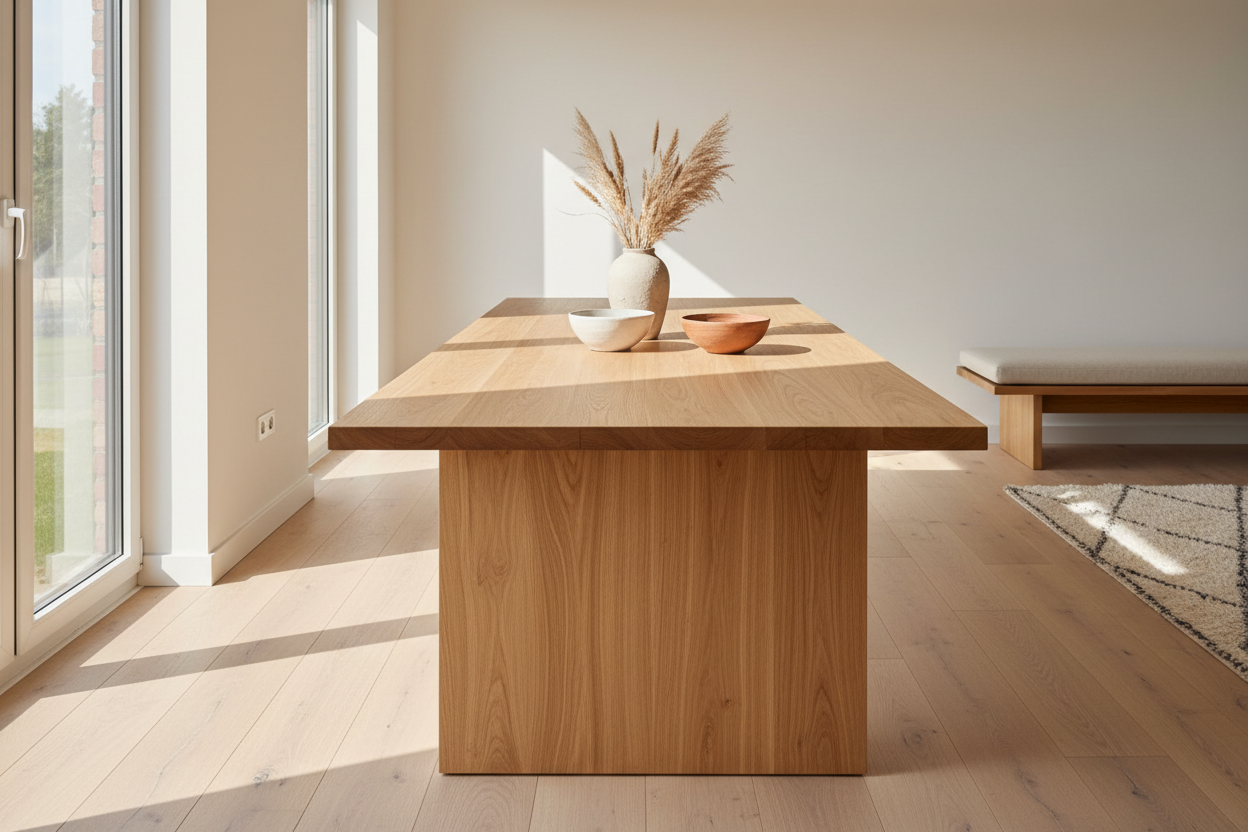
When selecting organizational furniture, durability is paramount. Laminate is cost-effective and scratch-resistant, making it excellent for heavy-duty filing cabinets. However, for visible shelving or credenzas, I always recommend wood veneer or solid wood. These materials age gracefully and can be refinished. A cheap laminate edge that begins to peel after a year of use will immediately degrade the aesthetic value of your entire room.
The Balance of Open vs. Closed Storage
A curated bookshelf is beautiful, but it requires discipline. For a functional home office, aim for an 80/20 split: 80% closed storage (drawers, cabinets) and 20% open display. Closed storage hides the visual chaos of printers, reams of paper, and charging cables, allowing the open shelves to showcase sculptural elements or select reference books that inspire you.
Ergonomics and Reach Zones
Organization is indistinguishable from ergonomics. We design based on 'reach zones.' Your primary zone (within arm's reach) should house daily essentials—think shallow desk drawers for pens and notebooks. Your secondary zone (requiring a chair swivel) is for reference files. The tertiary zone (requiring you to stand) is where archival storage belongs. By mapping your storage to your movement, you maintain a seamless workflow.
My Personal Take on Work From Home Organization
I learned a hard lesson early in my career while designing my own home studio. I fell in love with a stunning, minimalist glass-top desk with absolutely no drawers. It looked architectural and airy in the showroom. However, within two weeks, the reality set in. I had nowhere to put a simple stapler or a post-it note. The glass surface showed every fingerprint and coffee ring, and because there was no modesty panel, the jumble of cables beneath was constantly visible.
I ended up having to buy an under-desk rolling pedestal that didn't match the desk's sleek aesthetic, ruining the look I was going for. Now, when I advise clients, I insist on a 'landing strip'—a dedicated drawer or tray where the daily clutter lives. It’s a small, unpolished detail, but having a place to sweep your mess into at 5:00 PM is the psychological switch you need to transition back to 'home' mode.
Conclusion
Transforming your workspace requires looking beyond the immediate utility of a desk and chair. By selecting high-quality materials, respecting the flow of the room, and balancing aesthetic beauty with functional storage, you create an environment that supports high-level thinking. Elevate your standards, and your productivity will follow.
Frequently Asked Questions
How do I hide bulky technology like printers?
I often recommend modifying a standard credenza or sideboard. You can drill a hole in the back panel for ventilation and cords, allowing the printer to live inside a cabinet, pulling it out only when necessary.
What is the best way to organize cables without drilling holes?
Use weighted desktop cable organizers or adhesive clips that attach to the back edge of the desk. Velcro sleeves are also superior to zip ties, as they allow you to easily add or remove cables later.
Can I use a dining chair for my home office?
For short bursts, yes. However, for full-time work, a dining chair lacks the lumbar support and adjustability required. If you dislike the look of office chairs, look for 'resimercial' designs—chairs with ergonomic mechanisms hidden beneath residential-style upholstery.

Dejar un comentario
Este sitio está protegido por hCaptcha y se aplican la Política de privacidad de hCaptcha y los Términos del servicio.