










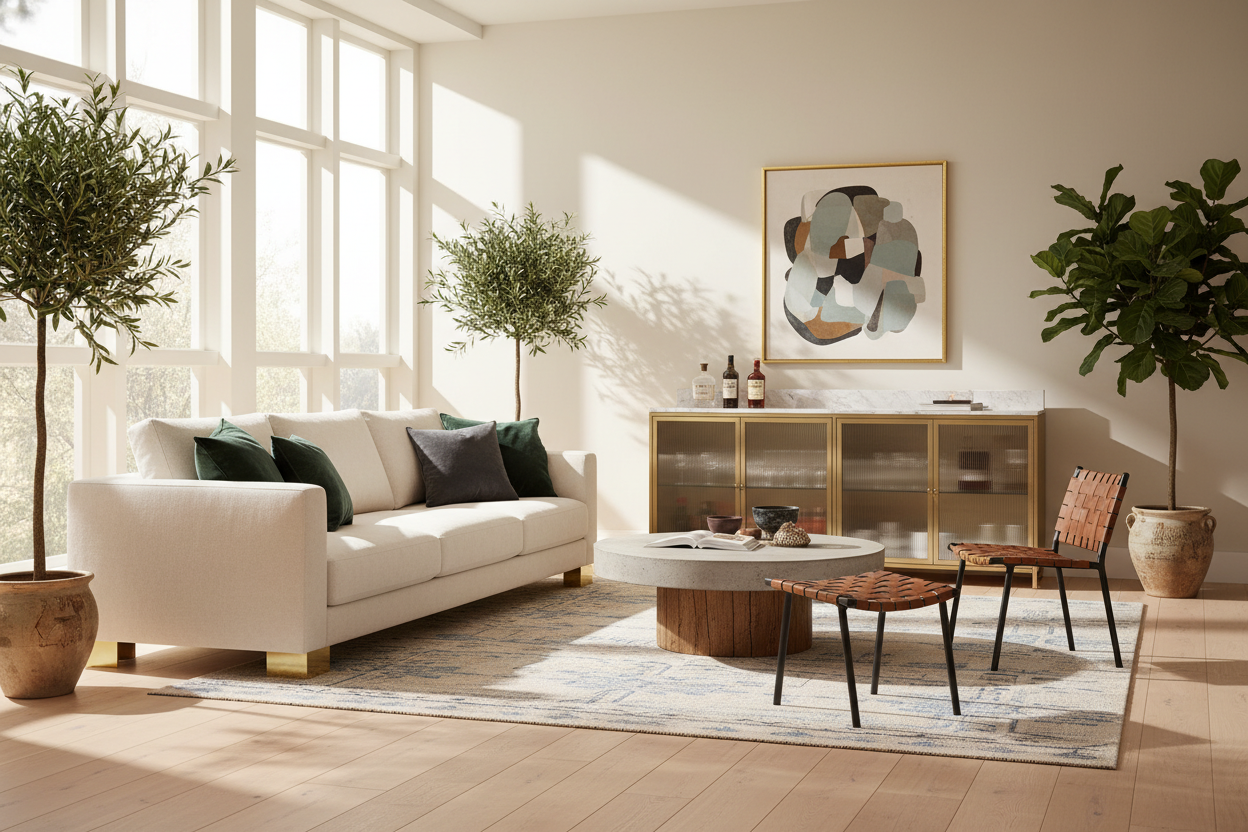
We have all stood in the middle of that vast warehouse, torn between the allure of affordable design and the fear of our homes looking like a catalogue page. As a designer, I often tell clients that the goal isn't to avoid the blue-and-yellow giant, but to curate. The secret lies in identifying which ikea items offer the structural integrity and aesthetic versatility to stand alongside investment pieces.
Key Features to Look For
Before you commit to a purchase, use this checklist to filter out temporary fixes from long-term staples. This criterion helps me separate high-potential pieces from the rest:
- Material Composition: Prioritize solid pine, oak veneer, or powder-coated steel over paper-foil finish particleboard.
- Hardware Swap Potential: Check if knobs, legs, and handles are standard sizes that can be upgraded easily.
- Silhouette Simplicity: Clean lines (like the Stockholm collection) age better than overly ornamental designs.
- Textural Depth: Look for natural fibers (wool, cotton, rattan) rather than synthetic, shiny polyesters.
Navigating Material Hierarchy
While ikea sells a staggering variety of goods, understanding the manufacturing tiers is crucial for longevity. In professional design, we categorize their inventory into 'foundational' and 'fillers'.
Solid Wood vs. Honeycomb Structure
Many entry-level tables utilize a honeycomb paper filling encased in fiberboard. While lightweight, these lack the density to withstand heavy daily use or refinishing. Conversely, collections like Hemnes or Ivar often utilize solid pine. From a tactile perspective, solid wood allows for aging; dents add character rather than revealing a cardboard interior. When scouting, knock on the surface. A hollow sound indicates a piece best reserved for low-traffic guest rooms, while a dense thud suggests a candidate for your main living area.
The Art of the High-Low Mix
The most sophisticated interiors are rarely sourced from a single vendor. The danger with filling a room entirely with ikea stuff is the lack of visual tension. To combat the "flat-pack fatigue," you must introduce conflicting textures.
Breaking the Set
Never buy the matching suite. If you select a birch veneer bed frame, do not buy the matching nightstands. Instead, pair it with a vintage metal side table or a stone-topped pedestal. This disrupts the visual continuity that screams "showroom" and introduces a curated, collected aesthetic. Visual balance is achieved when the eye travels across different finishes—matte against gloss, rough linen against smooth melamine.
Ergonomics and Scale
A common pitfall I see in DIY interior design is disregarding scale. Scandinavian dimensions can sometimes run smaller than typical American furniture. Before purchasing a sofa or armchair, analyze the seat depth. A depth of under 22 inches can feel upright and formal, which might not suit a lounging media room. Always tape out the dimensions on your floor to ensure the piece anchors the space rather than floating aimlessly within it.
My Personal Take on IKEA Items
I want to share a specific reality from a project I completed last autumn. We used the Bestå system to create a faux built-in media wall. On paper, it looked seamless. However, the installation revealed a nuance you don't see online: floor leveling.
Because these units are so rectilinear and precise, even a 2mm dip in the client's hardwood floor caused the doors to skew, creating uneven gaps that looked cheap. I spent three hours on my knees adjusting those little hidden screws in the hinges—up, down, left, right—until the reveal was perfectly consistent. Furthermore, the standard suspension rail is great, but I found that adding heavy-duty toggle bolts (not the standard plugs included) was non-negotiable for safety. The lesson? The furniture is only as good as the installation. If you rush the assembly, the finish will always betray the price point.
Conclusion
Great design is not about the price tag; it is about the application. By being selective with materials and willing to put in the effort to customize and install correctly, you can integrate these accessible pieces into a home that feels luxurious, personal, and enduring.
Frequently Asked Questions
Can I paint laminate IKEA furniture?
Yes, but preparation is key. You cannot paint directly over the shiny laminate. You must scuff-sand the surface with 120-grit sandpaper and use a high-adhesion shellac-based primer before applying your topcoat.
How do I make the shelving units look like custom built-ins?
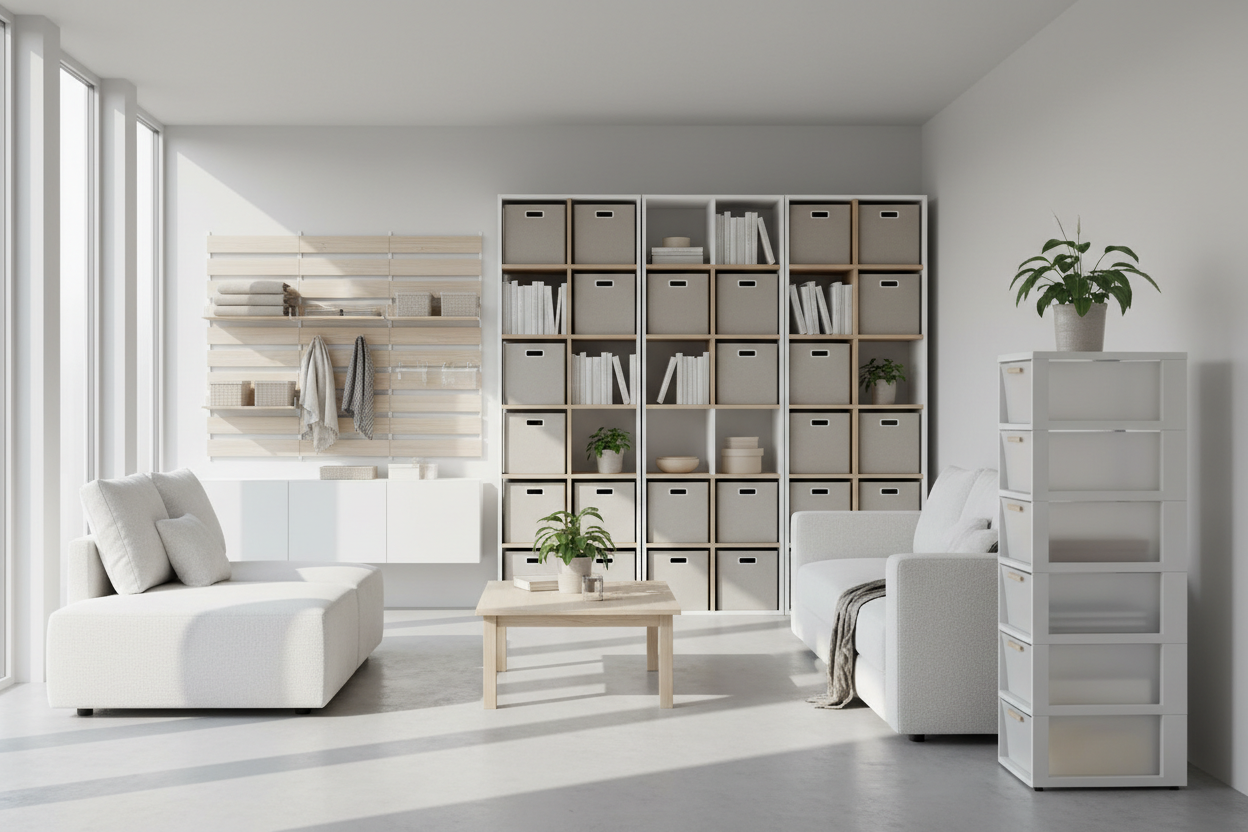
The trick is trim. Push the bookcases together, bolt them to one another, and then apply baseboard molding along the bottom and crown molding at the top to close the gap with the ceiling.
Which sofa series holds up best over time?
In my experience, the Kivik series offers the best durability-to-comfort ratio due to its memory foam layer, which retains its shape better than the purely poly-fill options.


Dejar un comentario
Este sitio está protegido por hCaptcha y se aplican la Política de privacidad de hCaptcha y los Términos del servicio.