










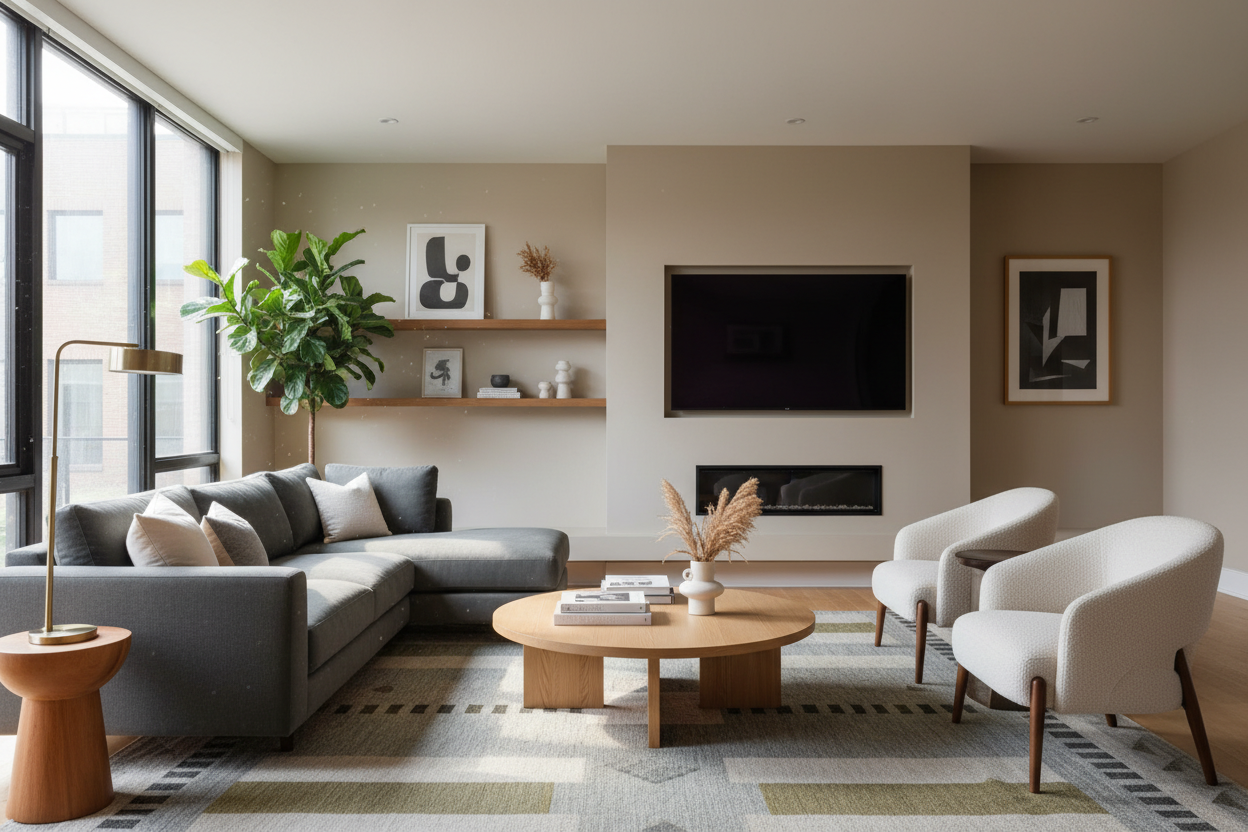
There is nothing quite as frustrating as walking into a beautifully painted room, only to feel that the space is physically uncomfortable or visually cluttered. As a designer, I see this dilemma constantly: homeowners buy pieces they fall in love with in a showroom, only to realize they don't translate to their actual home environment. Finding the best furniture for living room designs isn't just about aesthetics; it is about understanding scale, traffic flow, and how materials age over time.
Key Features to Look For
Before you commit to a purchase, use this checklist to ensure you are investing in quality and longevity. These are the non-negotiables I use when sourcing for clients:
- Frame Construction: Look for kiln-dried hardwood frames rather than plywood or particleboard to prevent warping.
- Suspension Systems: Eight-way hand-tied springs offer superior longevity compared to simple sinuous springs.
- Cushion Fill: High-density foam wrapped in down provides the ideal balance of structure and softness.
- Upholstery Grade: For high-traffic areas, opt for performance fabrics (like Crypton or high-rub count velvet) over delicate linens.
- Scale & Proportion: Ensure the furniture allows for at least 30 inches of walking path around the seating area.
Analyzing Material Quality and Durability
When curating the best family room furniture, the tactile experience is just as important as the visual one. In a formal sitting room, you might get away with a delicate silk blend, but for a primary living space, durability is paramount.
Wood and Metal Finishes
Distinguish between solid wood and veneers. While veneers aren't inherently bad—they can actually be more stable in fluctuating humidity—you want to ensure the substrate is high quality. For coffee tables and sideboards, I often recommend matte or satin finishes over high-gloss lacquers, which tend to highlight fingerprints and micro-scratches instantly.
Fabric Selection
The best furniture for sitting room environments often utilizes natural fibers like wool or cotton blends for breathability. However, if you have pets or children, look for tightly woven synthetics that mimic natural textures. A heavy-weight boucle or a performance velvet can add necessary texture and warmth without sacrificing cleanability.
Mastering Space Planning and Layout
A common error is pushing all furniture against the walls, creating a "waiting room" effect. To elevate the space, float your furniture. Pulling the sofa even three inches off the wall creates a shadow line that adds depth.
Avoid the "Set" Trap
While retailers often market the best living room sets as a convenient solution, buying a matching sofa, loveseat, and armchair can make a room feel flat and impersonal. Instead, aim for a curated look. Pair a structured sofa with two sculptural armchairs in a contrasting fabric. This variation in silhouette creates visual interest and prevents the room from feeling heavy.
Ergonomics and Visual Weight
Comfort is subjective, but ergonomics are not. When selecting seating, pay attention to seat depth and back height. A deep, low-slung sofa looks incredible in a modern loft but can be difficult for older guests to stand up from. Balance visual weight by mixing heavy pieces (like a skirted sofa) with lighter pieces (like a chair with exposed legs). This allows light to travel through the room, making the space feel larger.
Lessons from My Own Projects
I want to share a specific realization I had regarding cushion maintenance. Early in my career, I specified a gorgeous, 100% down-filled sectional for a client with a busy household. It looked cloud-like and luxurious in the photos. However, the reality was different. Without a foam core, the cushions required aggressive fluffing every single time someone stood up. It looked "deflated" and messy 90% of the time.
The lesson? Pure luxury materials aren't always the functional choice. Now, when I recommend the best furniture for living room projects, I insist on a high-resiliency foam core wrapped in a down jacket. You get the soft, lived-in crown of the cushion without the constant maintenance chore. It’s a small internal detail that completely changes your daily experience with the furniture.
Conclusion
Curating your home is a process of balancing form and function. By focusing on construction quality, appropriate scale, and mixing silhouettes rather than buying matching sets, you create a space that serves you. Trust your measurements, feel the fabrics, and invest in pieces that will age gracefully with your home.
Frequently Asked Questions
What is the most durable fabric for living room furniture?
Performance velvet and tightly woven microfibers are exceptional. They resist staining and claw marks better than loose weaves like linen or tweed. Look for fabrics with a "rub count" of over 50,000 for maximum durability.
How do I choose the right size rug for my furniture layout?
The golden rule is that the front legs of all major seating pieces should sit on the rug. This anchors the furniture and creates a cohesive "zone." If the rug is floating in the middle of the coffee table, it is too small and will make the room feel disjointed.
Is it okay to mix wood finishes in the living room?
Absolutely. In fact, it is encouraged. Mixing woods adds depth and history to a room. Try to keep the undertones consistent (e.g., mixing warm walnuts with warm oaks) rather than clashing cool greys with warm reddish woods.

Dejar un comentario
Este sitio está protegido por hCaptcha y se aplican la Política de privacidad de hCaptcha y los Términos del servicio.