










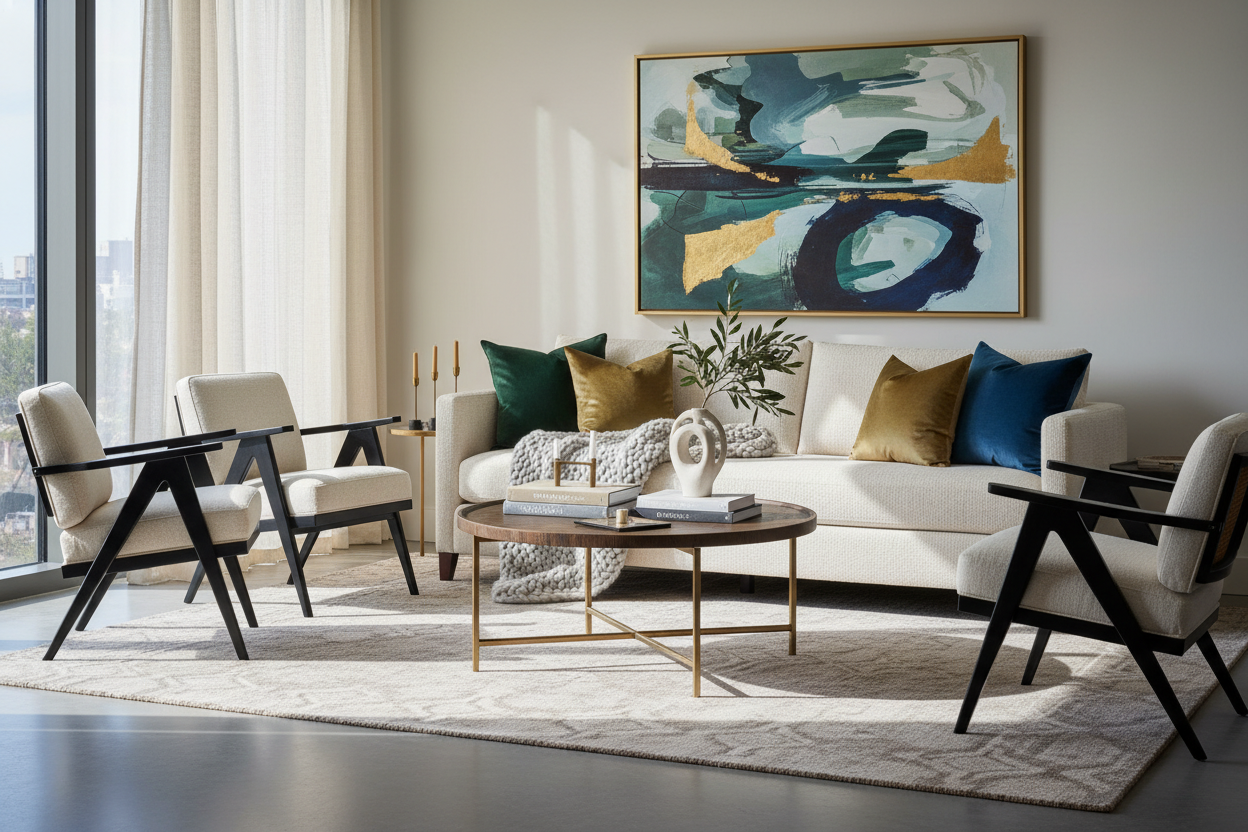
The dilemma is familiar to almost every homeowner I have worked with: you want the grounding elegance of a bespoke sofa, but your budget is strictly off-the-rack. There is often a misconception that a lower price point necessitates a compromise on aesthetics or comfort. However, as a designer, I can tell you that the gap between high-end and budget-friendly is narrowing—if you know what to look for. Finding the perfect cheap fabric couch isn't about accepting lower standards; it is about understanding construction, textiles, and the art of visual distraction.
Quick Decision Guide: What Matters Most
- Fabric Durability: Look for a tight weave. If you can separate the threads with your fingernail, it will lose shape quickly.
- Cushion Density: Aim for high-density foam (at least 1.8 lbs) wrapped in Dacron for longevity.
- Frame Construction: Avoid staples and glue alone. Look for corner-blocked frames, even in budget models.
- Leg Material: Solid wood or metal legs elevate the piece; plastic legs are a dead giveaway of a lower price point.
- Seat Depth: A deeper seat (22 inches+) often mimics the silhouette of luxury Italian design.
Analyzing the Textile: The Tactile Experience
When sourcing affordable seating, the fabric choice is your primary indicator of quality. In the showroom, I always advise clients to conduct the "rub test." In the industry, we measure durability by "double rubs," but you can gauge this simply by feeling the friction. A cheap fabric couch often utilizes synthetic blends like polyester or olefin. While these lack the prestige of Belgian linen or mohair, they are actually superior for stain resistance and fading.
Avoid velvets at this price point unless they are performance micro-velvets; cheap velvet tends to bald at the seams. Instead, opt for a textured tweed or a flat-woven poly-blend. These textures hide shadows and wear patterns much better than flat, solid cottons, giving the piece more visual weight and complexity.
The Silhouette and Space Planning
A common error in budget interiors is selecting furniture that feels "stiff" or boxy. High-end furniture typically features softer lines or intentional architectural structure. When selecting a budget-friendly sofa, look for a continuous back or a tuxedo style (where arms and back are the same height). This creates a streamlined, modern profile that defies the price tag.
Scale and Proportion
Pay close attention to the visual mass of the sofa. In smaller apartments, a sofa with high, skinny legs allows light to pass underneath, increasing the sense of floor space. Conversely, a chunky, low-profile sofa can anchor a large room but requires substantial floor area to breathe. Ensure there is at least 18 inches of clearance between the sofa edge and your coffee table to maintain flow.
Elevating the Look: The "Designer" Hack
You can dramatically alter the perceived value of a piece by customizing the hardware. Most budget sofas come with generic, screw-in legs that are often finished in a reddish mahogany stain or, worse, black plastic. I frequently recommend swapping these out for tapered oak legs or matte black metal cylinders. It takes five minutes, costs very little, and instantly removes the "big box store" aesthetic.
My Personal Take on Cheap Fabric Couches
I learned a hard lesson early in my career while staging a rental property in downtown Chicago. I purchased a visually stunning, mid-century modern style sofa that was incredibly affordable. It looked fantastic in photos. However, I didn't check the underside of the cushions. The manufacturer had used a non-woven, paper-like fabric on the bottom of the seat cushions to save money—a detail you don't see until you use it.
Within three months, the friction from sitting caused that cheap backing to shred, and the foam started spilling out. Now, whenever I inspect a budget sofa, I unzip the cushion (if possible) and check the lining. If the upholstery fabric doesn't wrap all the way around, or at least have a durable canvas bottom, I walk away. It’s a small, unpolished detail that determines if your sofa lasts three years or three months.
Conclusion
Your budget does not dictate your home's style; your choices do. By prioritizing a tight weave, upgrading the legs, and paying attention to the silhouette, you can integrate a budget-friendly sofa into a room that feels curated and expensive. Trust your eye, check the construction, and design with confidence.
Frequently Asked Questions
How can I make a cheap fabric couch more comfortable?
If the seat cushions feel stiff or hollow, you can unzip them and wrap the foam core in a layer of batting or add a down-feather topper. Additionally, replacing the stock throw pillows with high-quality feather-filled inserts (sized 2 inches larger than the cover) adds immediate plushness.
What is the best color for a budget sofa to hide wear?
Mid-tone greys, taupes, and navy blues are the most forgiving. Avoid pure white or black; white shows dirt instantly, while cheap black fabric often attracts lint and pet hair, making the weave look messy.
Is a solid wood frame necessary for a budget couch?
At a lower price point, you are unlikely to find a solid hardwood frame. Instead, look for "kiln-dried" engineered wood or high-quality plywood. The key is to avoid particleboard or cardboard, which can snap under pressure.


Dejar un comentario
Este sitio está protegido por hCaptcha y se aplican la Política de privacidad de hCaptcha y los Términos del servicio.