










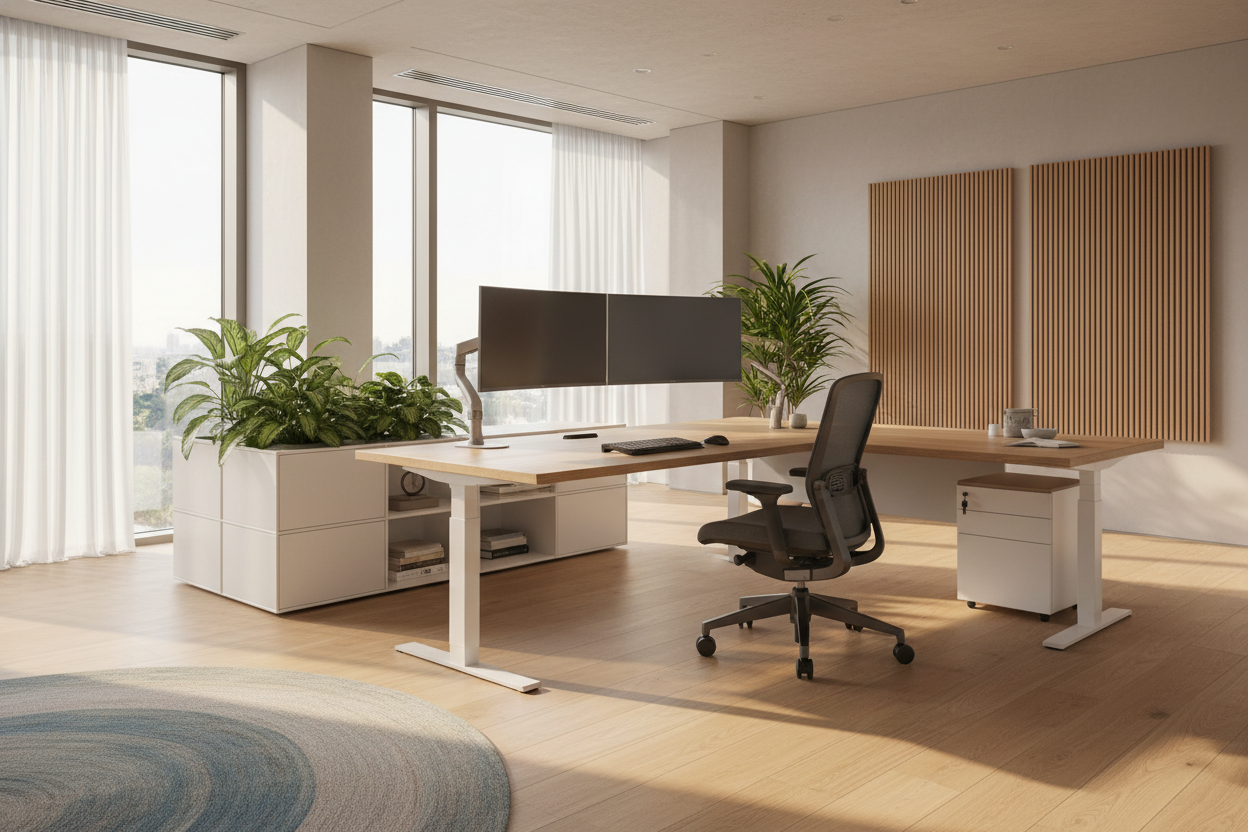
Creating a workspace that balances professional rigour with domestic comfort is a nuanced design challenge. Whether you are outfitting a corporate floor in London or converting a box room in a semi-detached home, the market for office furniture in uk is vast, ranging from high-end heritage joinery to mass-produced flat-packs. The dilemma often lies not in finding furniture, but in filtering for longevity and ergonomic support that meets British Standards.
Quick Decision Guide: What Matters Most
If you are rushing to furnish a space, prioritise these four elements to ensure your investment lasts longer than the current fiscal year:
- Certification: Look for BS EN 1335 standards for office chairs; this ensures the ergonomics are suitable for 8-hour daily use.
- Core Material: Avoid hollow-core 'honeycomb' desks if you plan to use clamp-on monitor arms; opt for high-density MFC or solid wood.
- Martindale Rub Test: For fabric chairs, check for a rating above 50,000 cycles to prevent premature fraying.
- Cable Management: Ensure desks have integrated ports or scallops to manage UK 3-pin plugs, which are bulkier than European counterparts.
Navigating Materials and Finishes
When selecting office furniture UK suppliers offer, understanding the substrate is crucial. In my consultations, I often steer clients away from paper-foil finishes, which look pristine in photos but peel at the edges within months of use.
Solid Wood vs. MFC
While a solid oak desk is a stunning focal point, it reacts to humidity changes—common in older British properties with fluctuating heating. For heavy daily use, Melamine Faced Chipboard (MFC) is the industry standard for a reason. High-quality MFC provides a scratch-resistant surface that mimics grain texture without the maintenance anxiety of solid timber. If you desire a luxury aesthetic, consider a wood veneer, but be mindful that it requires coasters and desk pads to prevent water rings.
Ergonomics: Beyond the Buzzwords
A chair is the most critical tool in your arsenal. The term 'ergonomic' is often slapped onto any chair with a curve, but true support requires adjustability.
Look for a synchronous mechanism. This feature allows the backrest and seat pan to move together at a specific ratio (usually 2:1), maintaining support as you recline. Static chairs force your lumbar spine into unnatural positions, leading to fatigue. Furthermore, ensure the seat depth is adjustable (seat slide). This is vital for accommodating different leg lengths, ensuring the edge of the seat doesn't cut off circulation behind the knees.
Space Planning and Visual Flow
In many UK homes and offices, floor space is at a premium. A common error is selecting a desk that is too deep (800mm+) for a small room, dominating the layout and impeding flow.
Consider the silhouette of the furniture. In a smaller room, a desk with open legs or a cantilever frame creates a sense of airiness, allowing light to pass through. Conversely, a panel-end desk can make a compact room feel boxy and claustrophobic. Position your primary workstation perpendicular to windows to reduce glare on screens while maximising natural light.
My Personal Take on office furniture in uk
I learned a hard lesson about desk construction early in my career while fitting out a home office in a Manchester apartment. The client wanted a sleek, minimalist look and purchased a budget-friendly desk online that claimed to be 'solid construction.'
When we went to install a dual-monitor arm, the clamp mechanism actually crushed the desktop. It turned out the desk was a honeycomb cardboard core sandwiched between thin laminate—fine for a laptop, but structurally useless for heavy peripherals. Now, I physically knock on desks in showrooms. If it sounds hollow, I walk away. Also, a specifically British frustration: check the depth of cable trays. Many imported desks don't account for the stiffness of UK power cables and the size of our plugs, leaving you with a tray that won't snap shut.
Conclusion
Investing in the right workspace setup is an investment in your productivity and physical health. By focusing on structural integrity, verified ergonomic standards, and how the pieces interact with your specific room dimensions, you can curate an environment that feels professional yet personal. Don't settle for the first option you see; look for the details that promise durability.
Frequently Asked Questions
How much space do I need behind an office desk?
For a comfortable workflow, allow at least 900mm (90cm) of clearance behind your desk for your chair. This allows you to push back and stand up without hitting the wall or shelving units. If it's a high-traffic walkway, aim for 1200mm.
What is the difference between domestic and commercial fire ratings?
Commercial office furniture in the UK must often meet 'Crib 5' (BS 7176 Medium Hazard) fire regulations, which are stricter than domestic standards. If you are furnishing a commercial premise, ensure your upholstery carries this certification to comply with insurance and safety laws.
Is a standing desk worth the investment?
Yes, provided it is stable at height. Cheaper standing desks often wobble when extended, which distracts from work. Look for a dual-motor frame for smoother lifting and greater weight capacity, especially if you use multiple monitors.



Dejar un comentario
Este sitio está protegido por hCaptcha y se aplican la Política de privacidad de hCaptcha y los Términos del servicio.