










I once spent three weeks scouring estate sales for the perfect vintage bar. I finally found a massive, ornate piece that I thought would make me look like a sophisticated host. Instead, once I got it into my 600-square-foot apartment, it looked like a prop from a low-budget mob movie. It was heavy, it smelled like decades of spilled gin, and it completely swallowed my sofa. Styling wood bar cabinets is a high-stakes game where the line between 'chic curator' and 'basement dweller' is incredibly thin.
- Choose pieces with clean lines and updated hardware to avoid the dated look.
- Keep the surface clear; only display three high-quality bottles at a time.
- Mix wood tones—don't try to match your bar to your flooring exactly.
- Invest in solid wood to handle the inevitable moisture and weight of glass bottles.
The 'Cigar Lounge' Trap (And How to Avoid It)
The biggest mistake people make with dark wood bar furniture is leaning too hard into the 'gentleman's club' aesthetic. If you pair a heavy wood alcohol cabinet with leather wingback chairs and dark green walls, you aren't living in a modern home; you're living in a 1974 cigar lounge. The key to making it work in 2024 is contrast.
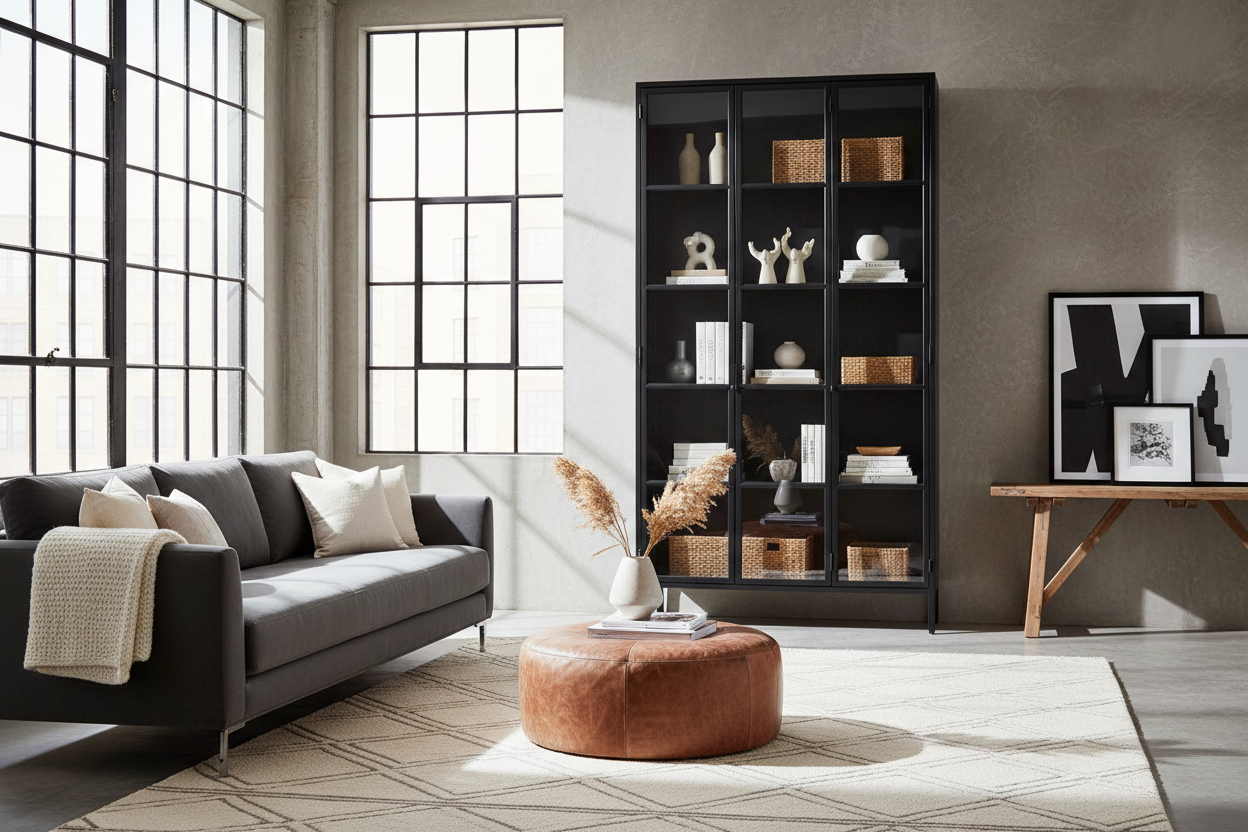
Swap out the chunky brass hardware for something sleek, like matte black or brushed nickel. I’ve even seen people replace the back panel of a wooden liquor cabinet with a mirror or a light-colored wallpaper to bounce light around. Most importantly, move away from the open bar cart. A closed liquor cabinet solid wood construction keeps the visual clutter of mismatched labels hidden, making the whole room feel intentional rather than chaotic.
Scale Matters: Why Your Wooden Bar Unit Looks Awkward
I’ve seen too many people buy a bar cabinet natural wood finish that is either way too small (looking like a lonely nightstand) or a wooden bar unit that is essentially a wardrobe. If your bar is taller than 40 inches, it starts to dominate the wall. If it’s shorter than 30, you’re going to be hunching over to pour a drink like a gargoyle.
Proportions are everything. If you have an 84-inch sofa, your bar cabinet should be roughly one-third to one-half that width. Anything larger and it competes for the spotlight. Anything smaller and it looks like an afterthought. I always tell friends to measure the depth too—anything deeper than 18 inches will start to impede the flow of traffic in a standard living room.
What Actually Belongs On Top of Hardwood Bar Cabinets
Stop putting every bottle you own on top of your hardwood bar cabinet. It’s a bar, not a retail shelf at a liquor store. When you crowd the surface of wood bar cabinet furniture, you lose the beauty of the wood grain itself. If you find yourself struggling to fit everything, you might actually need a solid wood modern sideboard which offers deeper, adjustable shelving for those tall, awkward handles of vodka.
The 'Three Bottle' Rule for Styling
My personal rule for a wood mini bar cabinet? Only three bottles on top. Choose the ones with the most interesting glasswork or the highest quality labels. Put them on a tray to ground them. Add a small lamp—never use the big overhead light when making drinks—and maybe a single bowl for citrus. Everything else goes behind closed doors. This keeps the focus on the furniture, not the booze.
Matching Your Room's Vibe Without Being 'Matchy-Matchy'
If you have light oak floors, do not buy a light oak bar. It will disappear. A dark wood liquor cabinet creates a much-needed anchor in a bright room. The goal is to avoid the heavy room look by balancing the weight. I like to pair dark furniture with a textured, colorful rug or some metallic accents to break up the visual density.
Mixing wood tones is a skill, but the easiest trick is to keep the undertones the same. If your floor is a 'cool' grey-toned wood, stick to a 'cool' dark walnut bar. Don't mix a warm, orange-toned cherry wood bar with cool-toned surroundings unless you want the room to feel vibratingly mismatched. Contrast is your friend; clashing is your enemy.
Is It Worth Splurging on Solid Wood Bar Cabinets?
I’ve bought the cheap veneer cabinets before. They look fine for about six months until a stray drop of condensation from a cocktail shaker sits on the surface for ten minutes. Then, the 'wood' bubbles up like a blister. If you’re serious about hosting, you need to invest in a solid wood tall cabinet that can actually be sanded down or refinished if things get rowdy.
A hardwood bar cabinet is heavy—which is a good thing. You don't want the unit wobbling every time you open the door or clinking your expensive glassware together. Plus, real wood handles the weight of 20+ glass bottles without the shelves bowing in the middle. If you're spending more than $500, make sure it’s actual timber, not particleboard with a sticker on it.
FAQ
How do I stop my wood bar from smelling like old alcohol?
Wipe it down with a mixture of water and white vinegar immediately after use. For stubborn smells in old wood, leave a bowl of baking soda or activated charcoal inside the cabinet for 48 hours. Avoid heavy chemical sprays that can strip the finish.
Can I use a regular cabinet as a bar?
Absolutely, as long as it’s deep enough for your largest bottle. Just check the weight capacity of the shelves—liquor is significantly heavier than dinner plates or linens.
What is the best wood for a bar cabinet?
Walnut and Oak are the gold standards. They are dense enough to resist dings and have beautiful natural grains that don't need a heavy stain to look expensive.

Dejar un comentario
Este sitio está protegido por hCaptcha y se aplican la Política de privacidad de hCaptcha y los Términos del servicio.