










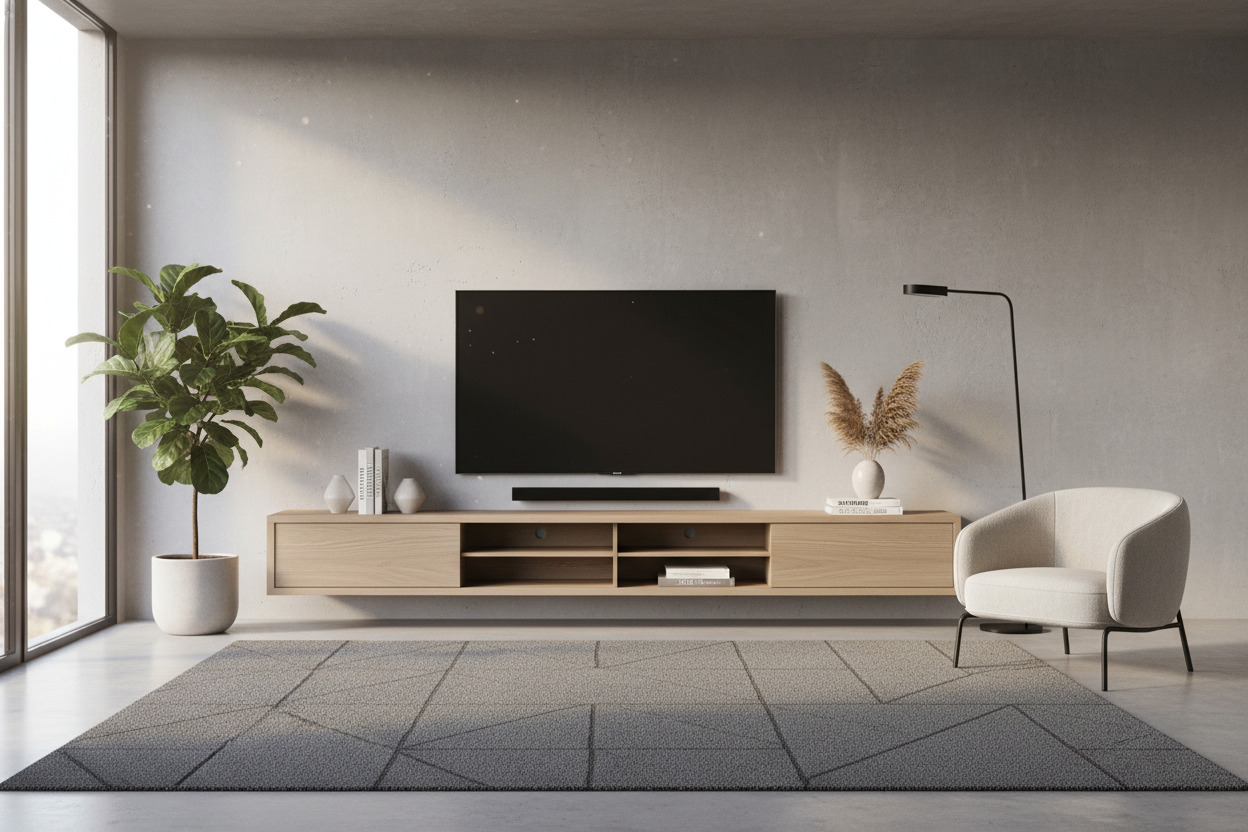
I spent three years pretending that a cluster of black wires dangling from my wall-mounted TV was 'industrial chic.' It wasn't. It was a mess that made my living room look like a disorganized server room, but I was terrified that buying a modern entertainment center would just trade cable clutter for a giant, room-swallowing wooden box.
Last month, I finally gave in. I realized that unless I wanted to cut holes in my drywall to hide cables—which I definitely don't have the tools for—I needed a real solution. I found that a well-chosen piece doesn't just hide the junk; it actually makes the room feel more intentional and, surprisingly, larger.
Quick Takeaways
- Ditch the 'floating' look if you have more than one device; exposed cables will ruin the aesthetic.
- Look for units with at least 2 inches of clearance from the floor to keep the room feeling airy.
- Integrated cord management isn't a luxury—it's a requirement for any modern entertainment unit.
- Matte finishes show far fewer fingerprints than high-gloss acrylic.
The 'Floating TV' Trend Was Ruining My Living Room
We've all seen the photos of a perfectly bare wall with a thin TV and zero visible wires. What they don't show you is the stack of consoles, the router, and the soundbar subwoofer sitting awkwardly on the floor just out of frame. My reality involved a tangled nest of HDMI cables that caught every dust bunny in the house.
Upgrading to a modern entertainment center wall unit changed the entire vibe of my apartment. Suddenly, my tech had a home, and I wasn't staring at a bare, cold wall. The trick is choosing a unit that uses vertical space without protruding 24 inches into your walking path. A depth of 15 to 18 inches is usually the sweet spot for modern living room entertainment centers.
What Actually Makes an Entertainment Center 'Modern'?
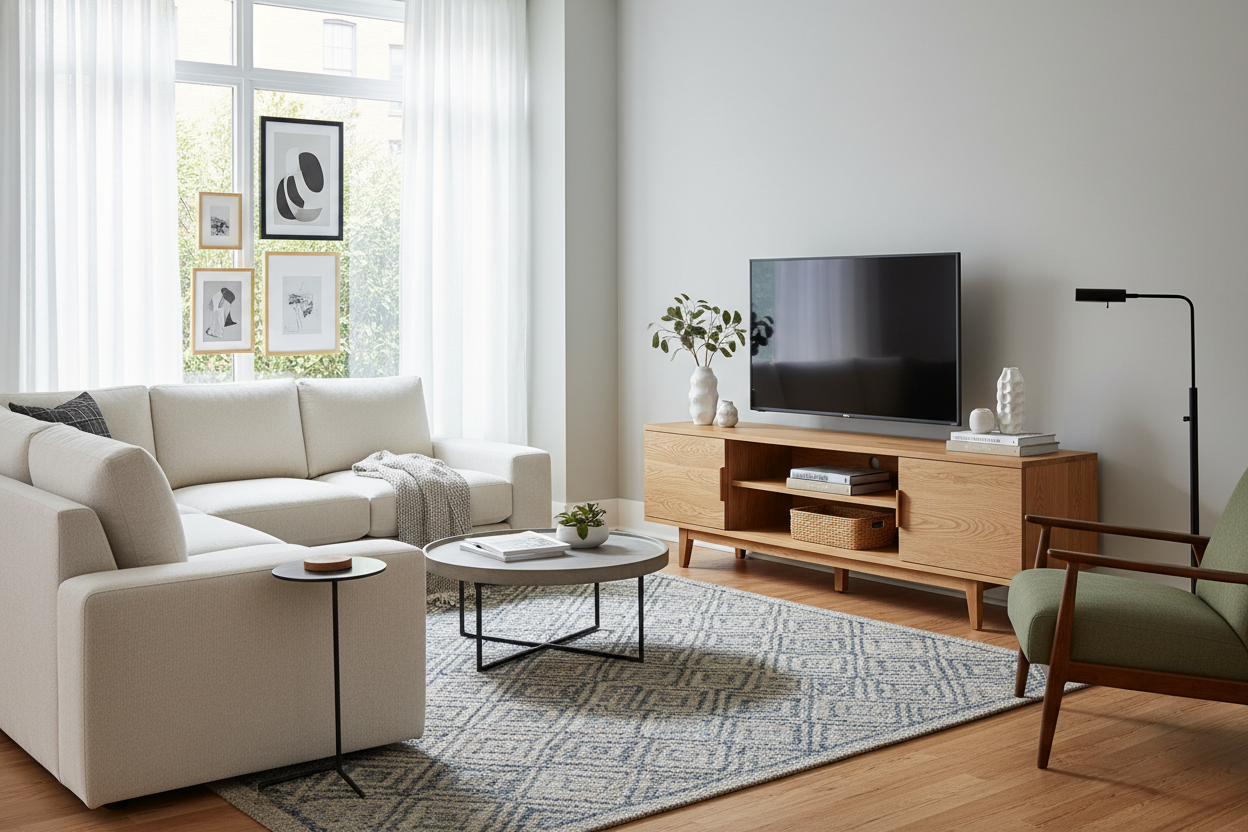
When most people hear the term, they think of those massive oak towers from the 90s that held a 200-pound CRT television. That's not this. Today's entertainment center modern design is all about horizontal lines and mixed textures. Think slim metal legs, slat-wood doors that allow IR remotes to work through them, and matte black or walnut finishes.
A futuristic entertainment center often incorporates 'negative space'—areas where you can see the wall behind the unit. This prevents the furniture from feeling like a solid wall of wood. I personally opted for a unit with a floating shelf component. It gives you the storage of a large modern entertainment center without the visual weight of a traditional cabinet.
Finding the Sweet Spot: A Modern Entertainment Center With Storage
Let's talk about the 'stuff.' I have a PS5, a Nintendo Switch, a cable box I never use but can't return, and a massive mess of chargers. A modern tv cabinet for living room use has to be more than a pretty face. It needs ventilated cabinets so your tech doesn't melt while you're playing games.
I looked at a modern 3 piece entertainment center that used overhead cabinets. It was a revelation. By moving the storage for things I don't use daily—like old DVDs or board games—to the top, the bottom unit stayed sleek and low-profile. If you're building a modern home entertainment center, prioritize drawers over open cubbies for anything that isn't aesthetically pleasing.
How I Styled My Large Modern Entertainment Center
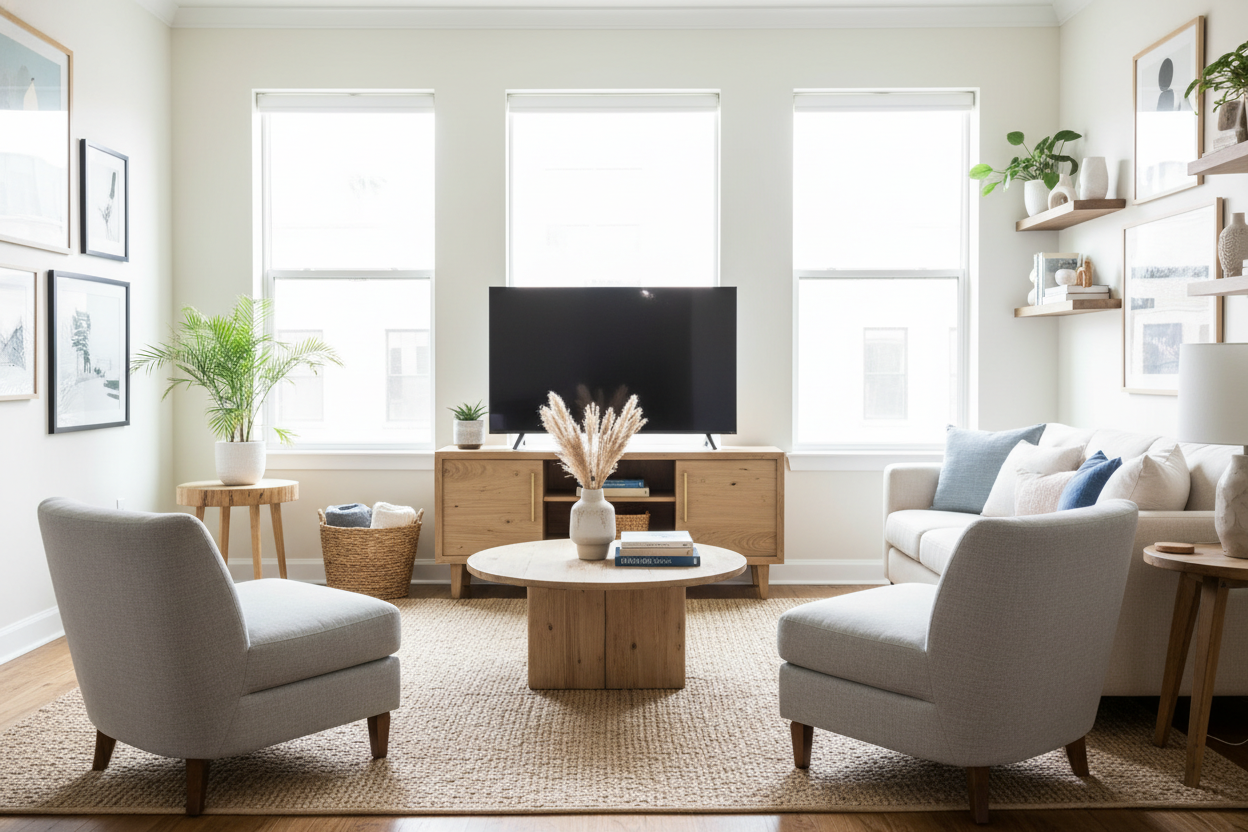
The biggest mistake people make with a large modern entertainment center is filling every square inch. You don't need to display every souvenir you've ever bought. I follow the 'rule of three': group a tall vase, a medium book, and a small sculptural object together, then leave the next twelve inches empty.
Trailing plants like Pothos are your best friend here. They soften the hard angles of a modern entertainment system and can even help mask a stray wire if your cable management isn't 100% perfect. Just make sure you use a coaster; I ruined the veneer on my last modern entertainment unit by overwatering a fern directly on the wood surface.
My Top 3 Rules for Modern Home Entertainment Centers
First, measure your TV, then add at least 6 inches to each side for the unit's width. A TV that is wider than its stand looks top-heavy and cheap. Second, check the back. If it doesn't have pre-drilled holes for wires, you're going to be miserable with a drill on assembly day. Third, prioritize quality over the lowest price. A flimsy unit will sag under the weight of a 65-inch screen within six months.
If you're tired of the cable chaos and ready for a grown-up living room, it's time to invest in a proper entertainment center. It’s the one piece of furniture that balances your tech needs with your design soul.
FAQ
Can I put a 75-inch TV on a 60-inch stand?
Technically yes, but it will look terrible. The TV should always be narrower than the stand to maintain visual balance and prevent accidental bumps.
How do I hide wires if the back is open?
Use adhesive cable clips to run the wires along the legs or the underside of the shelves. You can also use a cable management box that matches the unit's color to hide power strips.
Is solid wood better than MDF for a TV stand?
For the main surface, solid wood or high-quality plywood is better to prevent sagging over time. However, MDF is perfectly fine for doors and decorative panels to keep the piece affordable.

Dejar un comentario
Este sitio está protegido por hCaptcha y se aplican la Política de privacidad de hCaptcha y los Términos del servicio.