










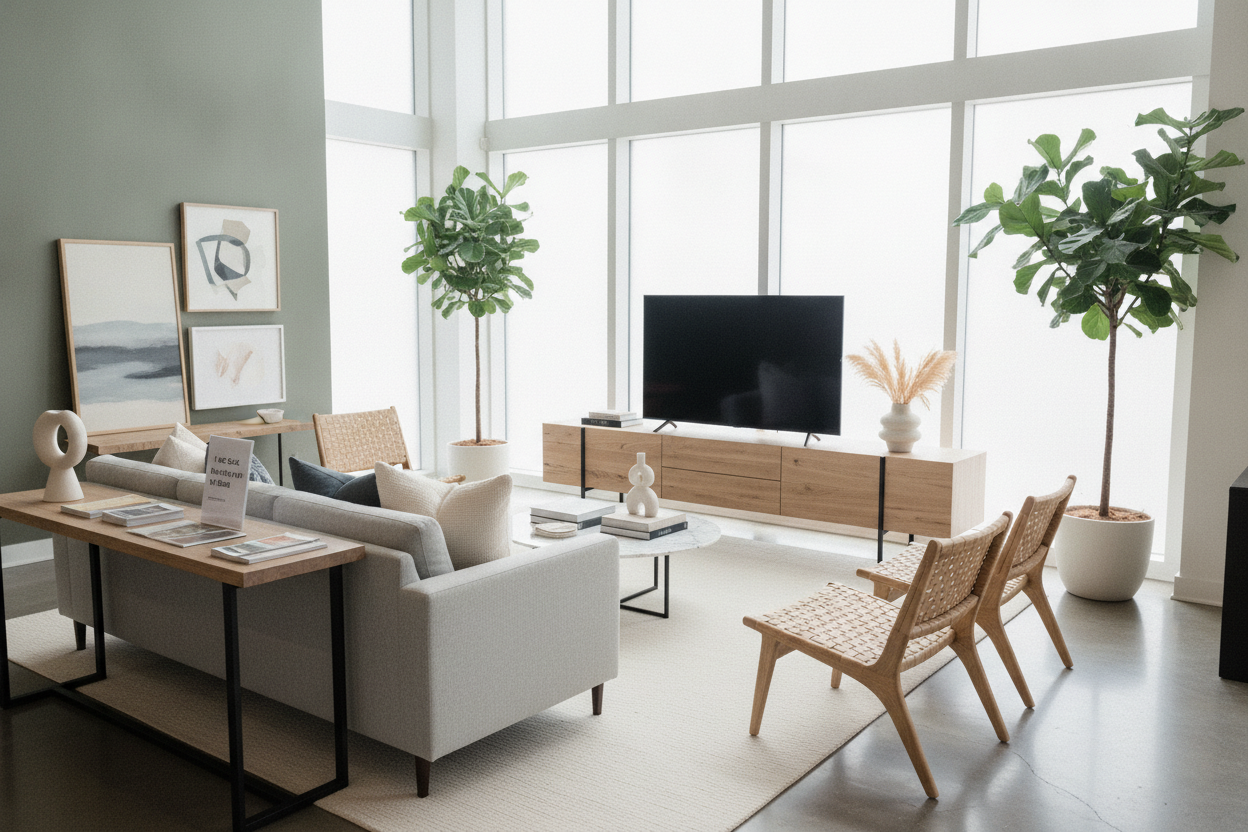
I once spent three hours trying to jam a 120-pound 'mid-century' console back into a box that was three sizes too small. The finish looked like rich walnut on my laptop, but in my living room, it looked like a sad, orange-tinted sticker. That was my rock bottom. I realized that the convenience of a click isn't worth the soul-crushing labor of a return. I started frantically searching for tv stand in store options because I needed to touch the wood and check the drawer glides with my own hands.
Quick Takeaways
- Always measure the distance between your TV's legs, not just the screen size.
- Bring a high-powered flashlight to showrooms to check for wood-grain consistency.
- Floor models can save you 30% or more, but check the hinges first.
- Don't trust 'walnut' or 'oak' labels; every brand has a different definition of those colors.
The Breaking Point: Why I Stopped Buying Furniture Sight Unseen
The internet is a liar. There, I said it. We've all been seduced by a perfectly lit render of a media unit only to have a box of cheap MDF and confusing hex keys arrive at our door. When you're buying something that has to support a heavy, expensive piece of tech, you can't gamble on 'sturdy-ish.' I reached my limit when a 'solid wood' unit I ordered turned out to be hollow-core particle board that bowed under the weight of my soundbar.
That is when I gave up on the 1 AM scrolling and started looking for where to buy tv stands in store. I wanted to see if the drawers actually had dovetail joints or if they were just stapled together. I wanted to know if the 'natural finish' was actually natural or just a printed laminate. Most importantly, I wanted to avoid the nightmare of boxing up a 100-pound return ever again.
The Myth of the 'Quick Fix' Showroom Run
I thought finding a media console nearby would be as simple as walking into a big-box retailer and pointing at a floor model. I was wrong. Most stores have shifted to a 'showroom' model where they only display three or four units, and everything else is 'available for delivery.' It’s frustrating to drive across town for a tv table nearby only to find out the one you liked is an online-exclusive.
The reality is that even when you shop in person, you often have to browse TV stands online to see the full color variations and sizing options. The store is there for a vibe check—you go to feel the texture of the wood and test the weight of the doors, then you likely order the specific configuration you need from their kiosk.
My Showroom Survival Kit (What to Bring With You)
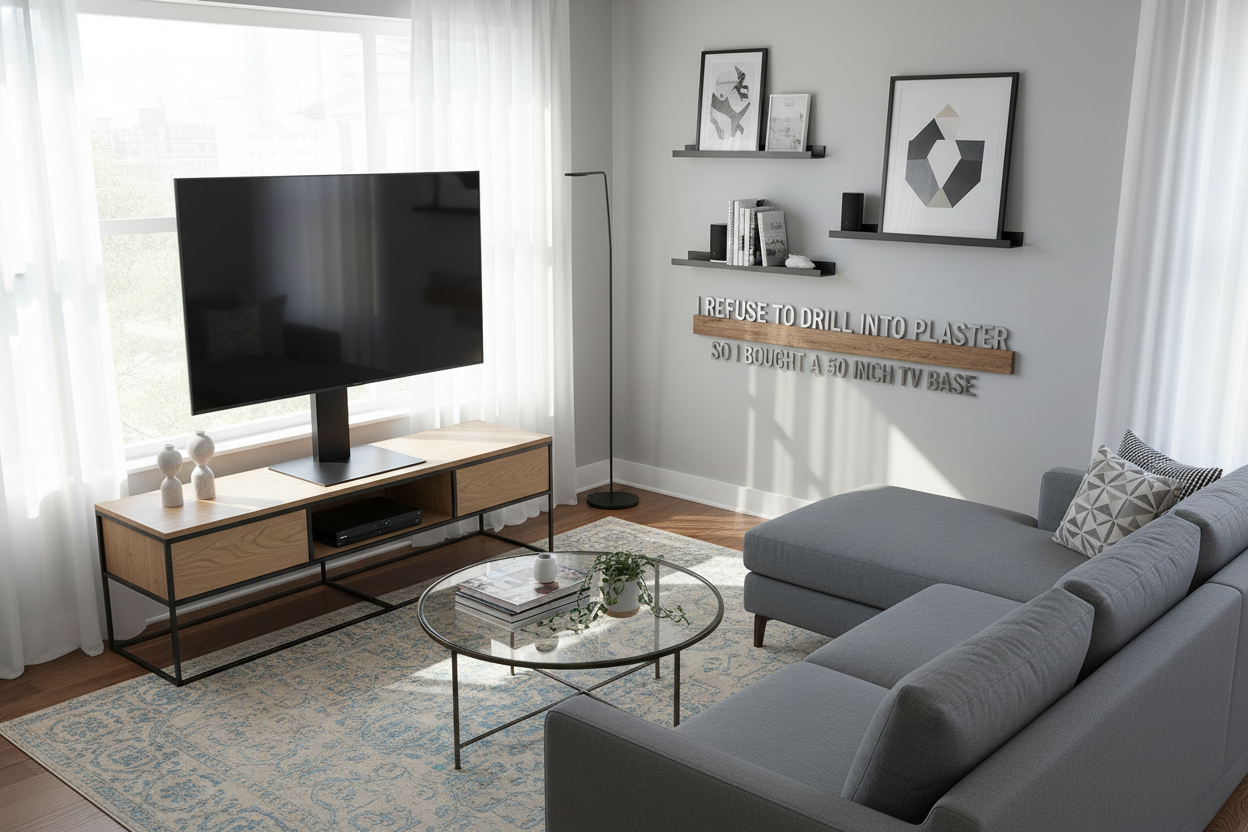
Don't go to a furniture store empty-handed. I carry a metal tape measure (the soft sewing ones are useless for furniture) and a photo of my TV's serial number plate. You need to know the exact width of your television's feet. I've seen people buy a 60-inch stand for a 65-inch TV, only to realize the TV's legs sit right at the very edge, which is a recipe for a $900 disaster.
If you're looking at something substantial, like a large 4-drawer media console, you need to measure your wall space three times. Take a photo of your living room in the afternoon sun, too. Wood tones change drastically depending on whether you have cool LED bulbs or warm natural light, and comparing your photo to the tv console in store under harsh fluorescent lights will save you from a color mismatch.
Floor Models, Scratches, and the Hunt for a Deal
If you are hunting for a tv stand cheap nearby, the floor model is your best friend. Most managers are dying to clear out old displays to make room for new seasonal inventory. I once scored a solid oak unit for 40% off because it had a tiny scratch on the back panel where no one would ever see it. But you have to be a detective.
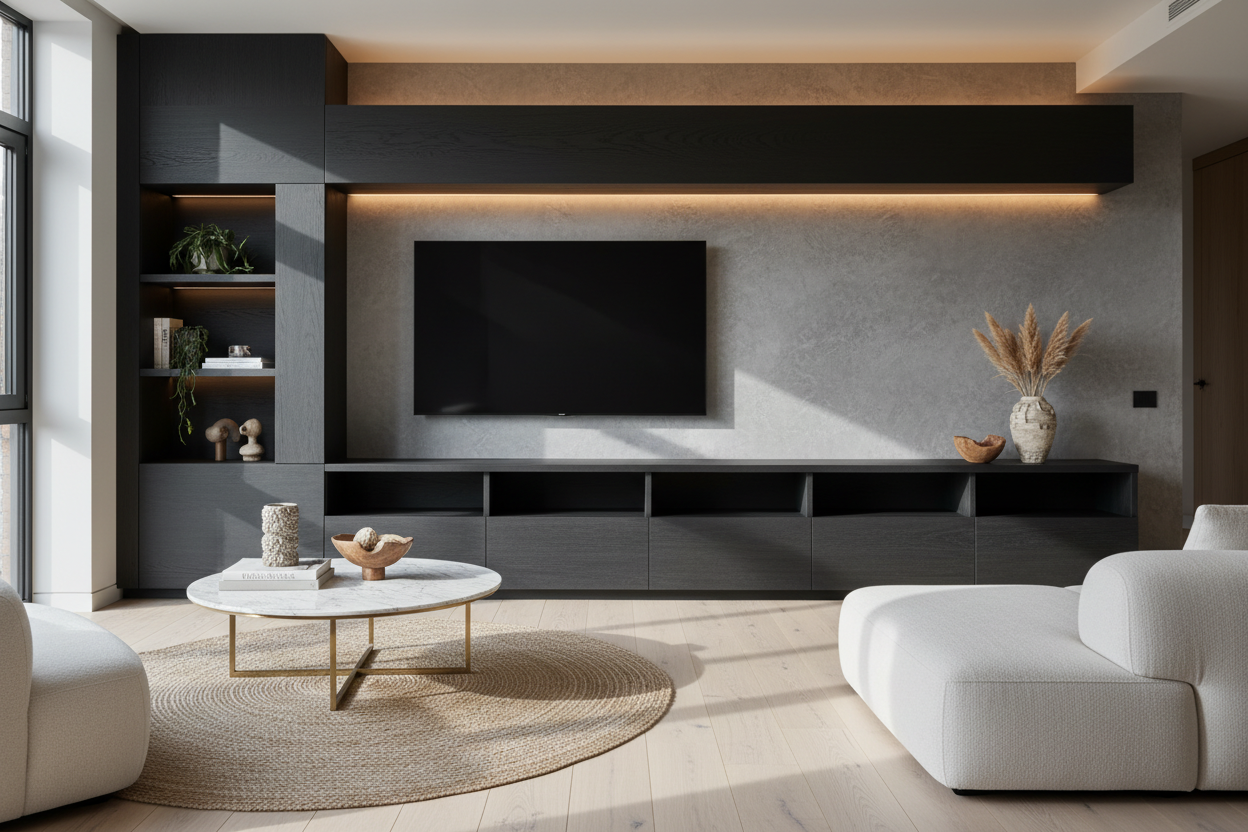
Check the hinges for 'sag.' If a floor model’s doors are crooked, it’s either a sign of bad assembly or a flimsy frame that won't last. Look for warped shelves—if it's already bowing under the weight of a display TV, it won't handle your receiver and gaming consoles. Once you find a winner, you can start thinking about how to style TV stand shelves to make that discounted floor model look like a high-end designer find.
The Verdict: Was the Physical Hunt Worth It?
After three weekends of driving around, was finding a tv console table nearby worth the gas? Absolutely. There is a specific peace of mind that comes from knowing exactly what you're dragging into your house. You aren't guessing if the 'espresso' finish is too dark or if the legs are made of plastic painted to look like metal.
While the selection in a physical store will never beat the endless scroll of a website, the quality control is infinitely better. You might pay a little more for a tv stand in store than you would for a flat-pack mystery box, but you save yourself the headache of the 'return-to-sender' dance. My TV is finally level, the drawers don't stick, and I didn't have to recycle a mountain of Styrofoam.
FAQ
How much wider should a TV stand be than the TV?
Ideally, your stand should be at least 3-6 inches wider than the TV on both sides. This isn't just about weight; it’s about visual balance. A TV that overhangs the stand looks top-heavy and accidental.
Can I buy a floor model TV stand?
Yes, and you should ask for a discount! Check for structural damage, but cosmetic dings on the back or bottom are great leverage for a lower price. Just ensure you have a way to transport it, as floor models rarely come in a box.
What is the best height for a media console?
Your eyes should be level with the middle of the screen when you're sitting on your sofa. For most standard couches, that means a stand height of about 22 to 28 inches.

Dejar un comentario
Este sitio está protegido por hCaptcha y se aplican la Política de privacidad de hCaptcha y los Términos del servicio.