










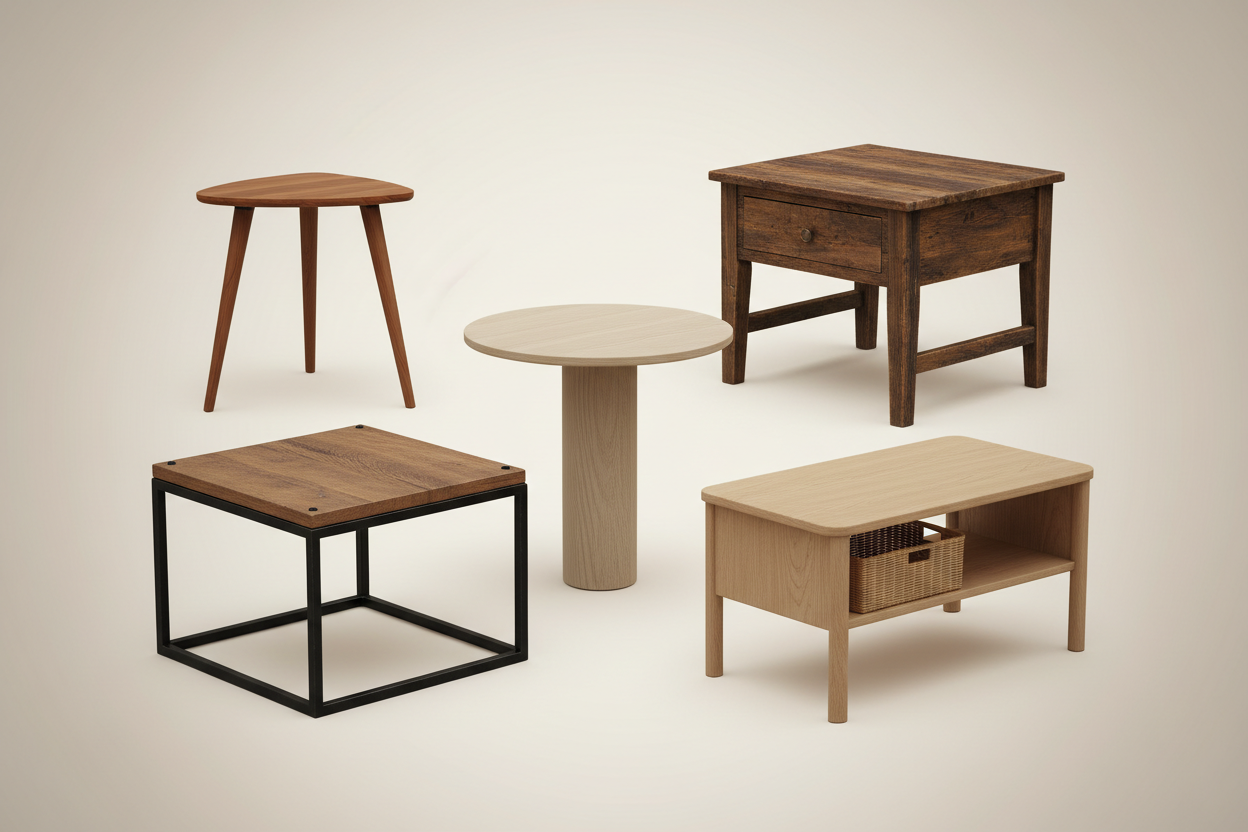
A wood side table is rarely the first piece of furniture you buy, but it is often the piece that makes a room feel finished. It serves as the functional anchor of a seating area, holding your morning coffee, your evening book, or a carefully curated lamp. While sofas and armchairs dominate the visual space, the humble accent table offers a unique opportunity to introduce texture, warmth, and architectural interest without overwhelming the room. Whether you are drawn to the raw imperfections of a live-edge slab or the disciplined lines of mid-century modern joinery, the design you choose dictates the flow and utility of your living space.
The Shift Toward Organic and Live-Edge Aesthetics
Rigid, boxy furniture has slowly given way to more fluid, natural forms. Live-edge side tables have surged in popularity because they bring a direct connection to nature into the home. These designs preserve the natural edge of the tree, meaning no two pieces are identical. The appeal lies in the imperfections—knots, cracks filled with resin, and wandering grain patterns become the focal point.
For a rustic or bohemian living room, a solid tree stump table works exceptionally well. These heavy, cylindrical blocks ground the space and provide a stark contrast to soft, upholstered furniture. If your style leans more contemporary, look for a slab top mounted on hairpin legs. The juxtaposition of raw wood against sleek metal keeps the piece from feeling too heavy or cabin-like.
Mid-Century Modern: The Triumph of Walnut and Tapered Legs
You cannot discuss wood side table designs without acknowledging the enduring legacy of mid-century modern (MCM) aesthetics. This style favors functionality and clean lines, stripping away unnecessary ornamentation. The quintessential MCM side table often features rich, dark woods like walnut or teak, characterized by tapered legs and perhaps a single, subtle drawer with a brass pull.
The beauty of this design language is its versatility. A vintage-inspired walnut end table fits just as comfortably in a minimalist apartment as it does in an eclectic, colorful home. The warmth of the timber balances cooler wall colors, while the open space beneath the table keeps the room feeling airy and uncluttered.
A Lesson from the Workshop: Why Joinery Matters
Years ago, I picked up a stunning-looking oak side table from a budget retailer. It had a beautiful finish and a heavy feel. Six months later, the legs began to wobble, and the veneer started peeling at the corners. It was a lesson learned the hard way: how a table is built is just as important as how it looks.
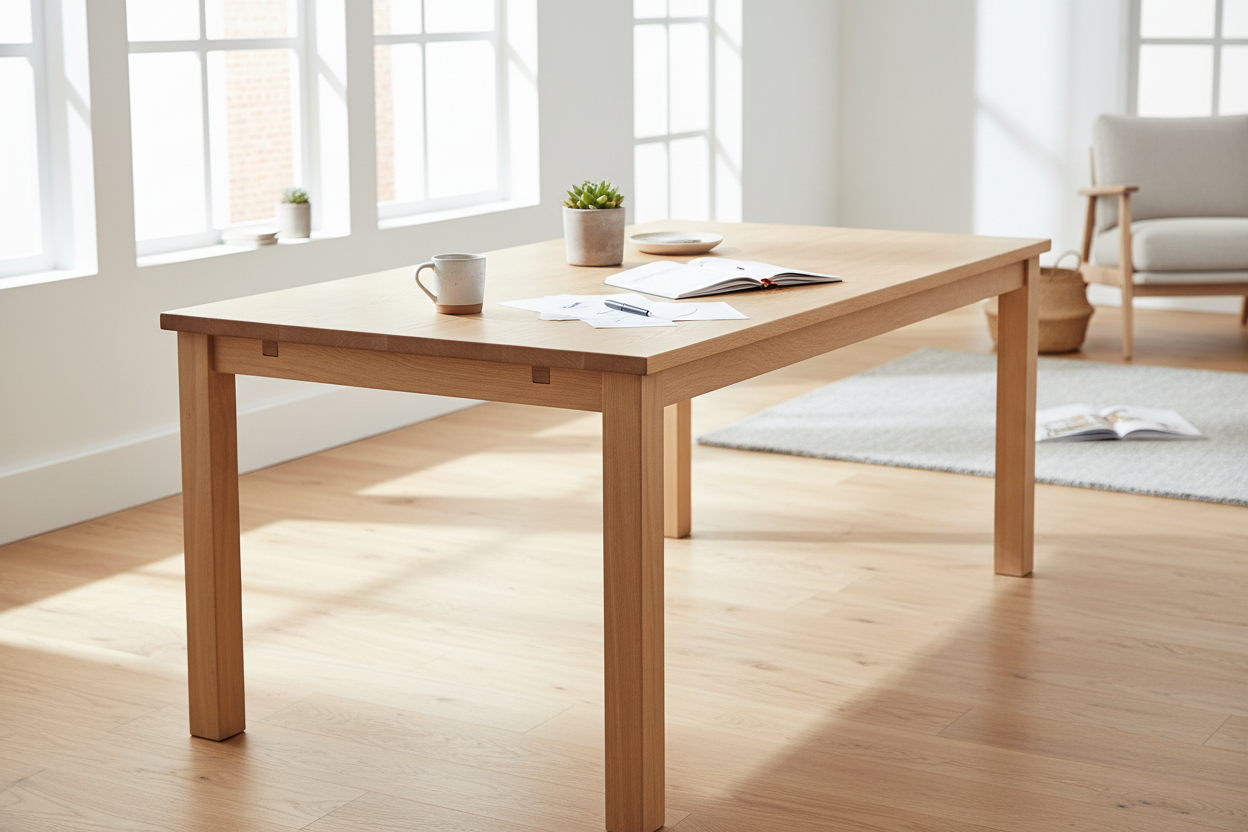
When I eventually replaced it with a piece featuring proper mortise and tenon joinery, the difference was immediate. The table didn't just sit there; it felt solid when I set a heavy ceramic lamp on it. When shopping for wood furniture, peek underneath. Look for solid wood connections rather than staples or excessive glue. A well-constructed side table is an heirloom, not a disposable accessory. The tactile experience of touching solid wood—feeling the grain rather than a plastic-like coating—adds a layer of sensory satisfaction to a room that photographs can't capture.
Space-Saving Engineering: C-Tables and Nesting Sets
Modern living often requires furniture to multitask. If floor space is at a premium, standard square end tables might feel too bulky. This is where clever engineering comes into play. The C-table is a brilliant evolution of the traditional side table. Designed to cantilever over the arm of a sofa or chair, it brings the surface closer to you, making it perfect for working on a laptop or eating a meal while watching TV. Look for designs that mix solid wood tops with sturdy metal bases to ensure they don't tip over when weighted.
Nesting tables offer another dynamic solution. This design consists of two or three graduating tables that stack together. You can keep them clustered to create a tiered, sculptural look, or pull them apart when guests arrive and you need extra surfaces for drinks. Oval and kidney-bean shapes are particularly trendy right now, softening the grid-like layout of most living rooms.
Mixing Wood Tones and Textures
A common hesitation among homeowners is the fear of clashing wood tones. There is a misconception that if you have oak floors, you must have oak tables. This actually tends to make a room look flat and overly matched, like a furniture showroom catalog. Good design thrives on contrast.
If your floors are a pale maple or white oak, consider a side table in a darker roast like mahogany or stained acacia to create visual depth. Conversely, dark floors pop when paired with lighter woods like ash or beech. The goal is to find a common undertone—warm, cool, or neutral—and play within that spectrum. A reclaimed wood table with a rough-hewn texture can also sit beautifully next to a polished, high-gloss entertainment center, bridging the gap between old and new.
Storage vs. Minimalism
Before making a final decision, honestly assess your storage needs. A minimalist pedestal table looks elegant, but if you are prone to clutter—remote controls, reading glasses, coasters—it will quickly become a mess. In high-traffic family rooms, a box-style side table with a deep drawer or a lower shelf is often the smarter choice.
However, avoid heavy, blocky tables in small rooms. If you need storage but want to maintain a sense of space, look for "floating" drawer designs where the storage compartment is elevated on tall, slender legs. This allows light to pass underneath, tricking the eye into thinking the room is larger than it is.
The Role of Finish and Durability
The finish of the wood dictates both the look and the longevity of the table. Oil finishes penetrate the wood, offering a matte, natural look that highlights the grain but requires occasional re-oiling. Lacquer or polyurethane finishes sit on top of the wood, providing a hard, shiny shell that resists water rings and spills. For a household with children or pets, a sealed, hard-wearing finish on a hardwood like maple or oak is generally safer than a soft, oil-finished pine which dents easily.
Frequently Asked Questions
How tall should my side table be?
Ideally, the surface of your side table should be within two inches of your sofa's arm height. If it is too low, it becomes awkward to reach; if it is too high, it can feel imposing and obstruct movement. Aim for level with or slightly lower than the armrest.
Can I mix metal and wood side tables in the same room?
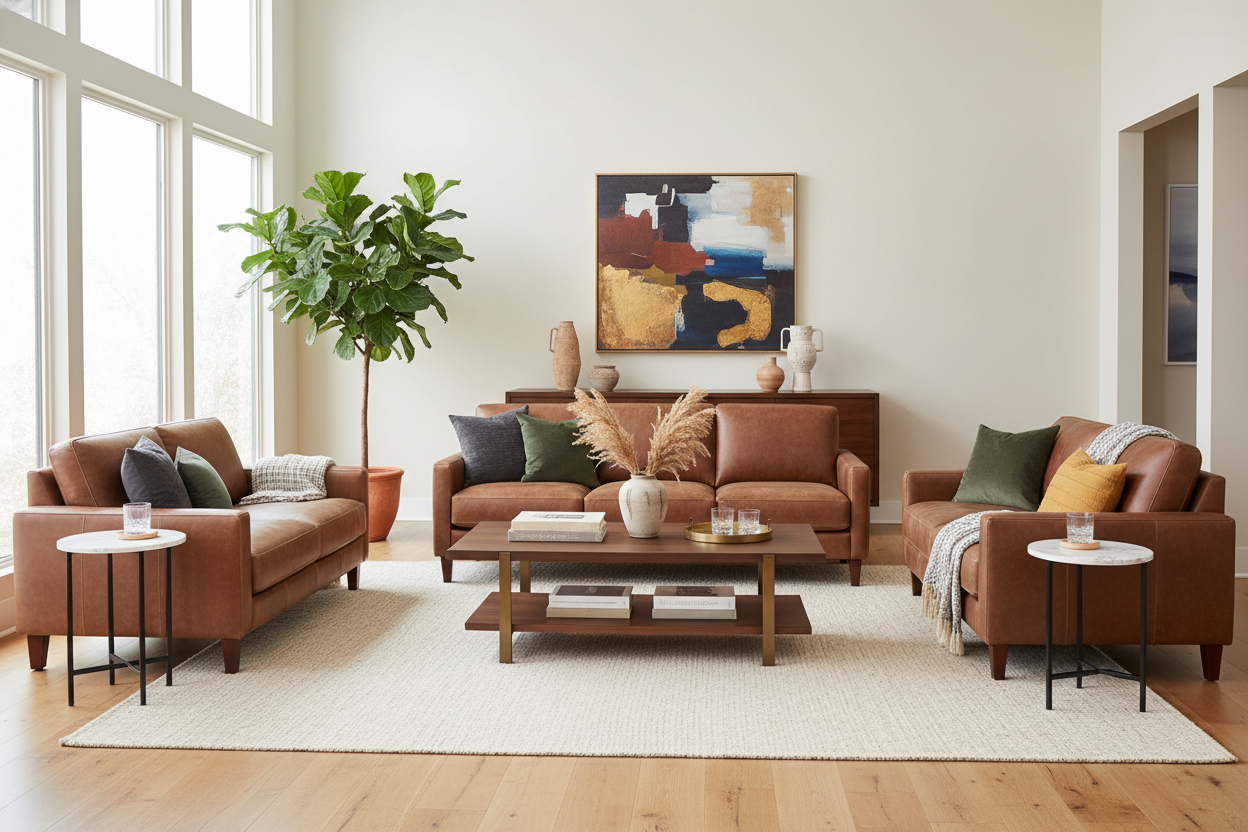
Absolutely. Mixing materials adds character and prevents the room from feeling monotonous. A wood side table on one end of the sofa pairs beautifully with a metal or glass table on the other, provided they share a similar visual weight or scale.
Is solid wood always better than veneer?
Not necessarily. While solid wood can be sanded and refinished, high-quality wood veneer over a stable core (like plywood) is actually more resistant to warping in humid climates. However, avoid cheap veneers over particle board, as these tend to chip and peel over time.

Dejar un comentario
Este sitio está protegido por hCaptcha y se aplican la Política de privacidad de hCaptcha y los Términos del servicio.