










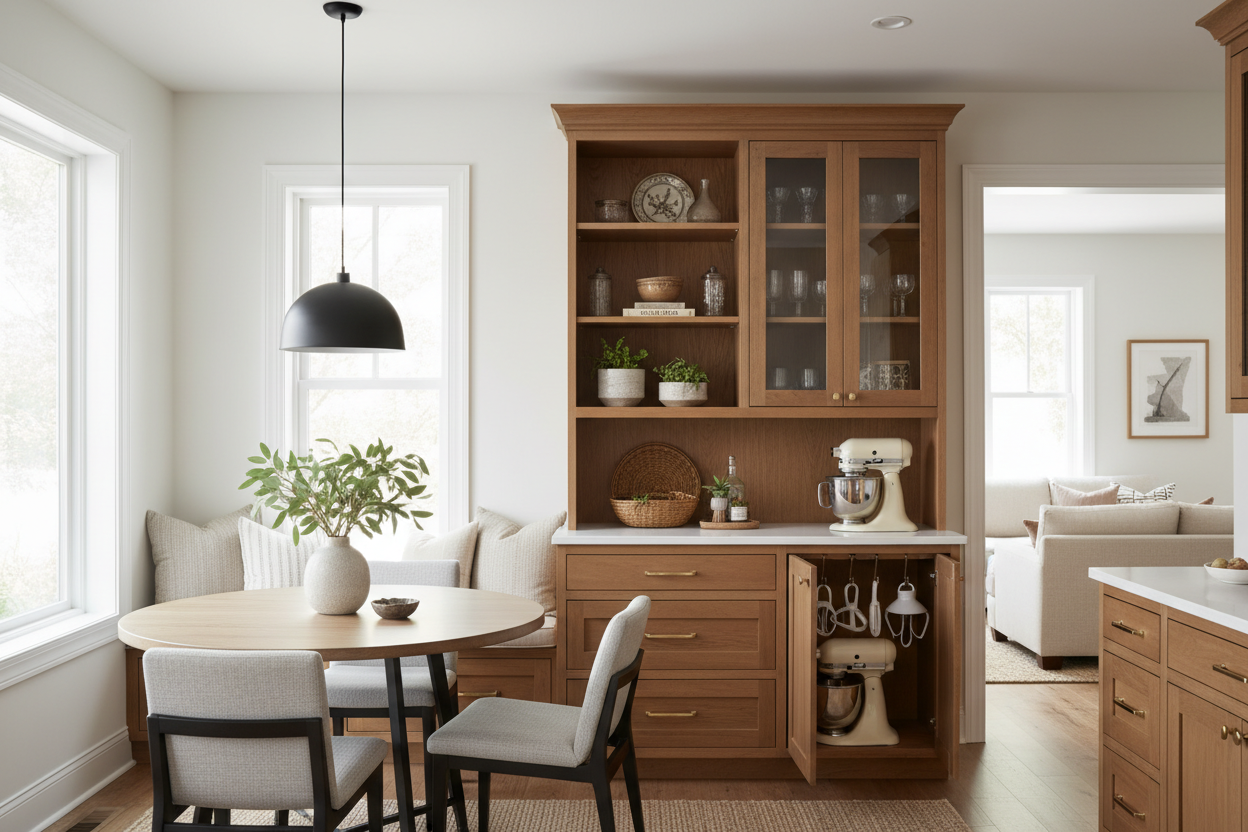
I remember walking into a client's dining room last year. They had just moved into a 1920s colonial with beautiful original moldings, but their furniture was all wrong. They'd bought a massive china cabinet that overwhelmed the 10x12 space, leaving only 24 inches of walkway around the table. They wanted to display her grandmother's porcelain but also needed a spot for board games, linens, and their wine collection. That's when I suggested we look at a Kraftmaid hutch. It wasn't just about finding a place to put things; it was about creating a focal point that served multiple lives in their home.
Quick Takeaways
- A Kraftmaid hutch combines deep storage with intentional display, unlike a standard cabinet.
- The specialized Kraftmaid mixer cabinet keeps heavy appliances accessible but out of sight, saving precious counter space.
- Styling is key: use the rule of thirds for displays and consider interior lighting.
- Hutches offer more flexible storage than traditional china cabinets, often with adjustable shelves.
- Proper integration with existing furniture relies on matching finish tones and proportional scale.
Why a Kraftmaid Hutch Isn't Just Another Cabinet
Let's be clear: a hutch is not just a tall cabinet. Where a standard kitchen or pantry cabinet is often 24 inches deep and purely utilitarian, a Kraftmaid hutch is designed with display in mind from the start. The upper section is typically shallower—around 12 to 15 inches deep—which prevents items at the back from getting lost. This is crucial. I've seen too many clients fill a deep cabinet and create a visual black hole. The hutch's design forces curation. The lower cabinet, often a full 24 inches deep, handles the bulk storage, while the upper glass-fronted section is for show. The construction matters, too. Many are built with furniture-grade plywood boxes and solid wood face frames, which resist warping better than particle board, especially in variable kitchen or dining room humidity.
The Kraftmaid Mixer Cabinet: Your Kitchen's Secret Weapon
This is one of my favorite solutions for bakers and entertainers. The standard Kraftmaid mixer cabinet is a base cabinet, usually 30 or 36 inches wide, with a shelf that mechanically lifts your heavy stand mixer up to counter height. The mechanism is typically rated for 60+ pounds. The key detail most people miss is the interior height. You need at least 20 inches of clearance inside the cabinet to accommodate the mixer's head without it scraping. I always specify an outlet installed inside the cabinet for plug-in use. This solves the 'appliance garage' problem where you still have to lift a 25-pound machine out. It keeps your workflow clean—no more hauling the mixer from a low shelf—and your counters clear. For a kitchen with a 42-inch upper cabinet height, this cabinet fits seamlessly into the run without breaking the visual line.
Designing with Display in Mind: Hutch Styling Strategies
Styling the glass-door section is where personality shines. Don't just fill every shelf. Group items in odd numbers—three vases, five books stacked. Leave 30% of the shelf space empty. This creates breathing room and makes your collections look intentional, not cluttered. For backdrops, consider painting the interior a contrasting color; a deep navy makes white dishes pop. If you have a collection of colored glass, a neutral grey works well. Lighting is non-negotiable. Install LED tape light or puck lights at the top of the upper section. It transforms the hutch from furniture to a glowing display at night. When considering display options, looking at a black cabinet with glass doors can offer great inspiration for creating dramatic contrast.
Hutch vs. China Cabinet: Making the Right Choice
Clients often ask me this. A traditional china cabinet is usually a single, ornate piece designed solely for displaying formal dinnerware. It often has very fixed shelving and limited enclosed storage. A hutch is more versatile. It's often part of a modular system—you can choose the base cabinet and the top separately. This means you can get a 36-inch wide base with drawers for silverware and a 30-inch wide top for display, for example. Hutches tend to have more adjustable shelves, allowing you to accommodate tall pitchers or short teacups. A hutch is the better choice when you need the function of a sideboard (that lower storage) combined with display. For a deeper dive on this, my Hutch vs China Cabinet guide breaks down the spatial and functional differences.
Integration Strategies: Making Your Hutch Work with Existing Furniture
The biggest mistake is treating the hutch as an island. It needs to converse with the room. If your dining table has a cherry finish with warm undertones, don't pair it with a hutch in a cool, grey stain. Match the undertone, not necessarily the exact color. Proportion is everything. In a dining room, maintain at least 36 inches of walkway between the edge of your table and the hutch. If the hutch is going on a long wall, flanking it with two chairs or a plant helps ground it. For a cohesive storage wall, consider pairing it with complementary pieces. For instance, a hutch can be beautifully balanced with sideboard cabinet options on either side for a built-in look. In a larger dining space, exploring buffet storage cabinet ideas can help create a complete and functional wall of storage.
The Long-Term Value: Why Kraftmaid Hutches Age Well
From my two decades of specifying furniture, durability comes down to materials and joinery. The better Kraftmaid lines use dovetail or mortise-and-tenon joints in the drawer boxes, not just staples or glue. The drawer glides are full-extension, meaning you can access the full 24-inch depth without digging. The finishes are catalyzed varnishes or lacquers, which are much more resistant to moisture, rings from glasses, and fading than simple painted finishes. This means in ten years, when your style changes, you can more easily refinish or repaint a solid wood frame hutch than one made of veneered particle board. They're designed to be reconfigured—shelves can be moved, doors can potentially be replaced. It's furniture you can live with through different life stages.
Personal Experience: The Honest Downside
I specified a beautiful, floor-to-ceiling Kraftmaid hutch for a client's modern farmhouse kitchen. It looked stunning. The downside? Assembly and installation. These are not ready-to-assemble pieces. They often come in multiple large boxes, and the upper and lower sections must be perfectly leveled and secured to each other and the wall. For the 84-inch tall unit we used, we absolutely needed two installers. If you're not extremely handy, budget for professional installation. Also, the lead time can be 6-8 weeks. It's not an instant gratification purchase, but once it's in, it's a permanent and beloved fixture.
Frequently Asked Questions
Can a Kraftmaid hutch be used in a living room?
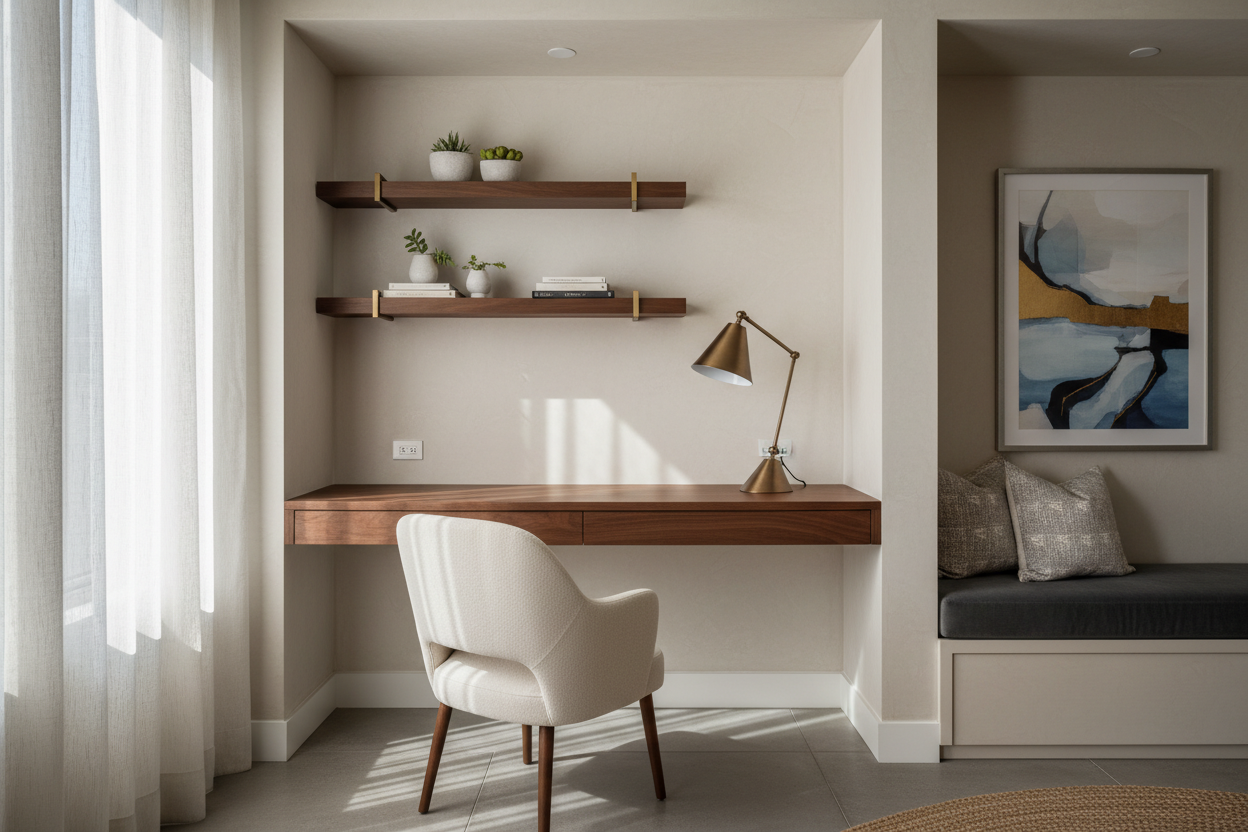
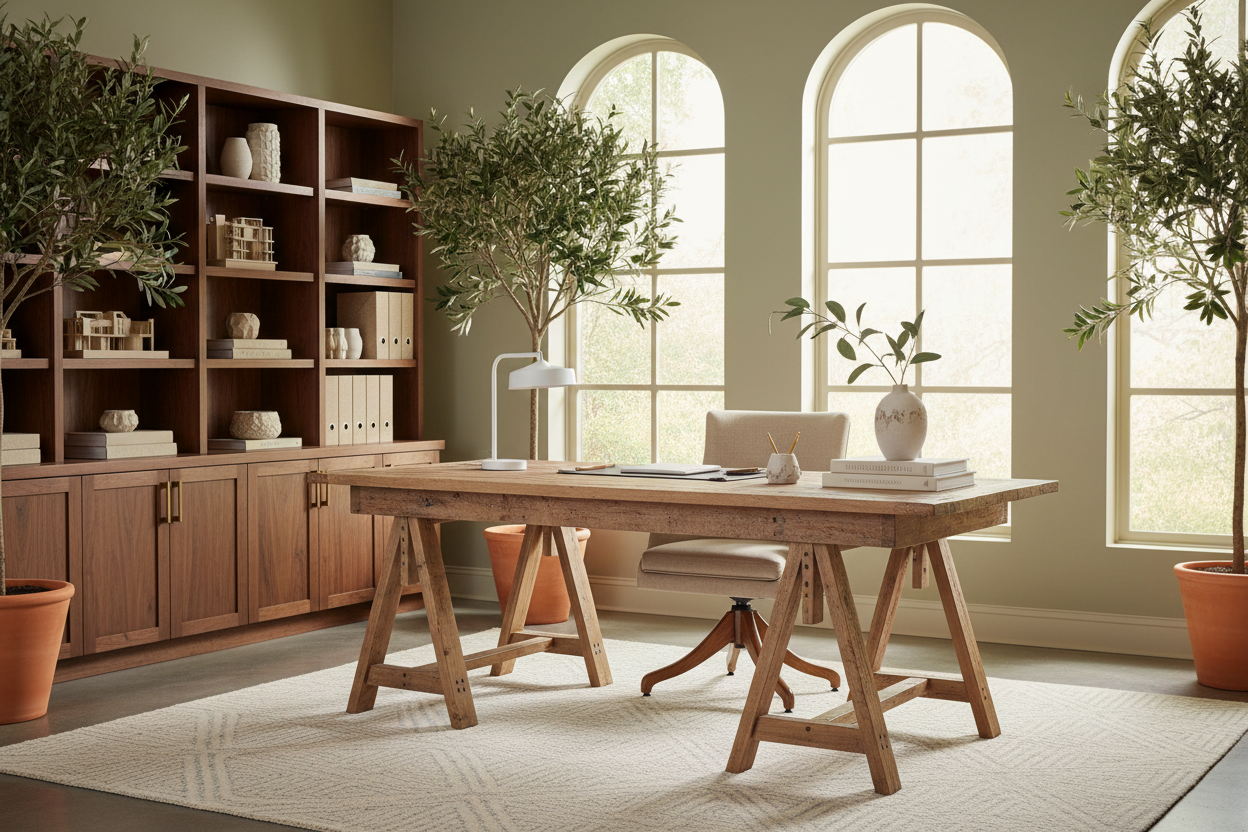
Absolutely. I've used them as media consoles (running wires through a grommet in the back), in home offices for supply storage and book display, and in entryways. Just ensure the style fits—a Shaker-style hutch works in a living room, while a more ornate one might suit a formal dining space.
What's the ideal distance between hutch shelves?
For maximum flexibility, I recommend adjustable shelves with peg holes at 1-inch increments. A good standard spacing is to have one shelf at 12 inches high for dinner plates, one at 8 inches for bowls, and one at 15 inches for taller items like carafes.
How do I protect my dishes from dust in glass-door cabinets?
Glass doors themselves keep out most dust. For added protection, ensure the doors have a good seal. Display items you use regularly—if you're pulling out the champagne flutes every month, a quick rinse is easier than dusting a collection you never touch.
Are these hutches safe to anchor to drywall?
Always anchor to wall studs. A fully loaded hutch can weigh several hundred pounds. Use heavy-duty toggle bolts only if you absolutely cannot hit a stud, and never for the top-heavy upper section alone. Safety first.

Dejar un comentario
Este sitio está protegido por hCaptcha y se aplican la Política de privacidad de hCaptcha y los Términos del servicio.