










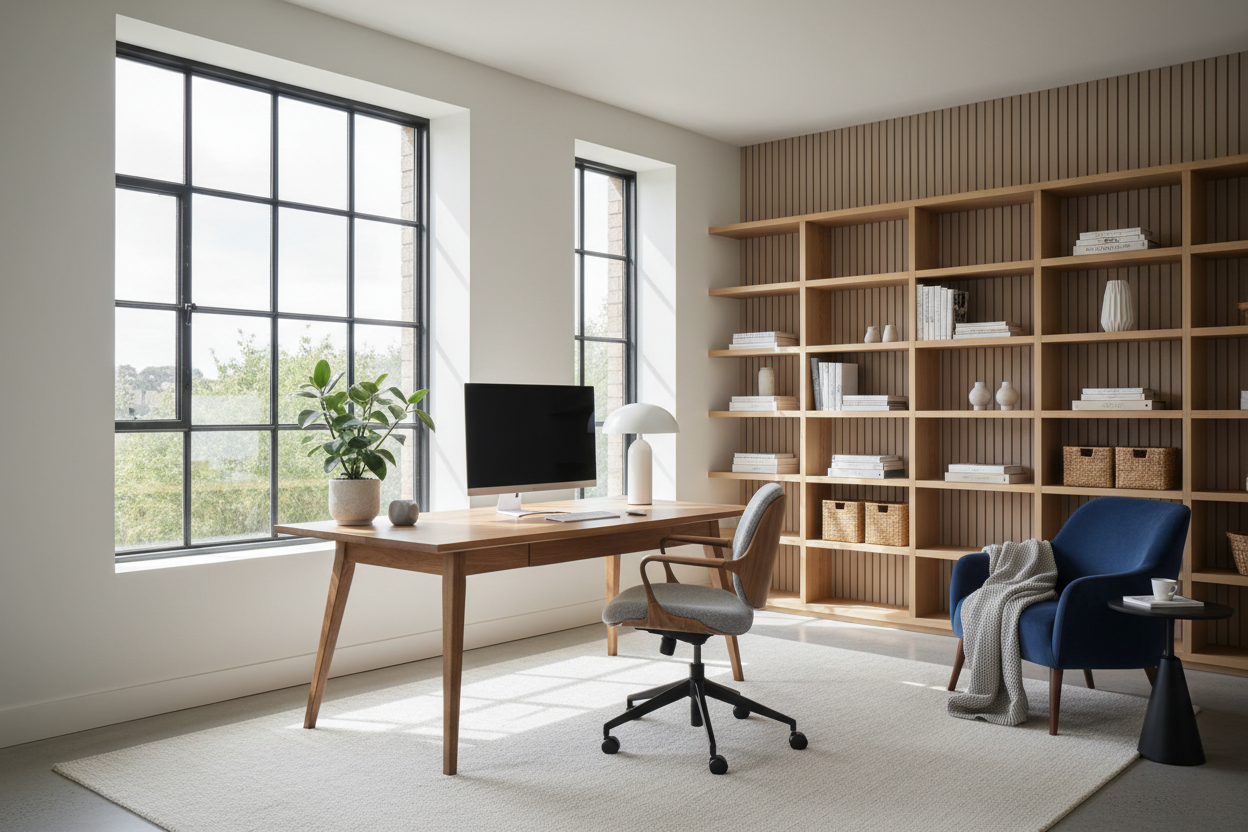
You finally cleared out the spare room to set up a dedicated workspace, but instead of feeling inspired, the room just feels disjointed. A bulky traditional desk clashes with a mesh ergonomic chair, and the overhead lighting is giving you a daily 3 PM headache. Choosing the right office styles is about much more than picking out attractive furniture—it is about designing an environment that actively supports your focus and workflow.
Whether you are retrofitting a suburban bonus room or carving out a nook in a city apartment, the visual language of your workspace dictates how you feel when you sit down at 9 AM. In this guide, I will walk you through how to match your aesthetic preferences with the physical demands of a modern workday.
Quick Decision Guide
- Prioritize ergonomics over pure aesthetics: An antique wooden chair might look stunning, but your spine will protest after two hours. Always anchor the room with a supportive, adjustable chair.
- Mind the visual weight: In smaller rooms, opt for desks with open legs rather than heavy, solid-topped executive pieces to keep the space feeling airy.
- Control the lighting: Position your desk perpendicular to windows to avoid harsh screen glare while still benefiting from natural daylight.
- Create intentional zones: Even in a small room, separate your active computer work area from a softer reading or brainstorming corner if possible.
Space Planning and Layout
Before committing to any specific office design styles, you have to get the bones of the room right. North American homes often feature open-concept living areas or awkwardly shaped spare bedrooms, making layout the most critical first step.
Mastering Proportion and Clearance
A common mistake I see is buying a massive desk that swallows the room. You need a minimum of 36 inches of clearance behind your desk to comfortably push your chair back and stand up. If you are adding a credenza or filing cabinet behind you, increase that to 42 to 48 inches so you can actually open the drawers without hitting your chair.
Coordinating the Look
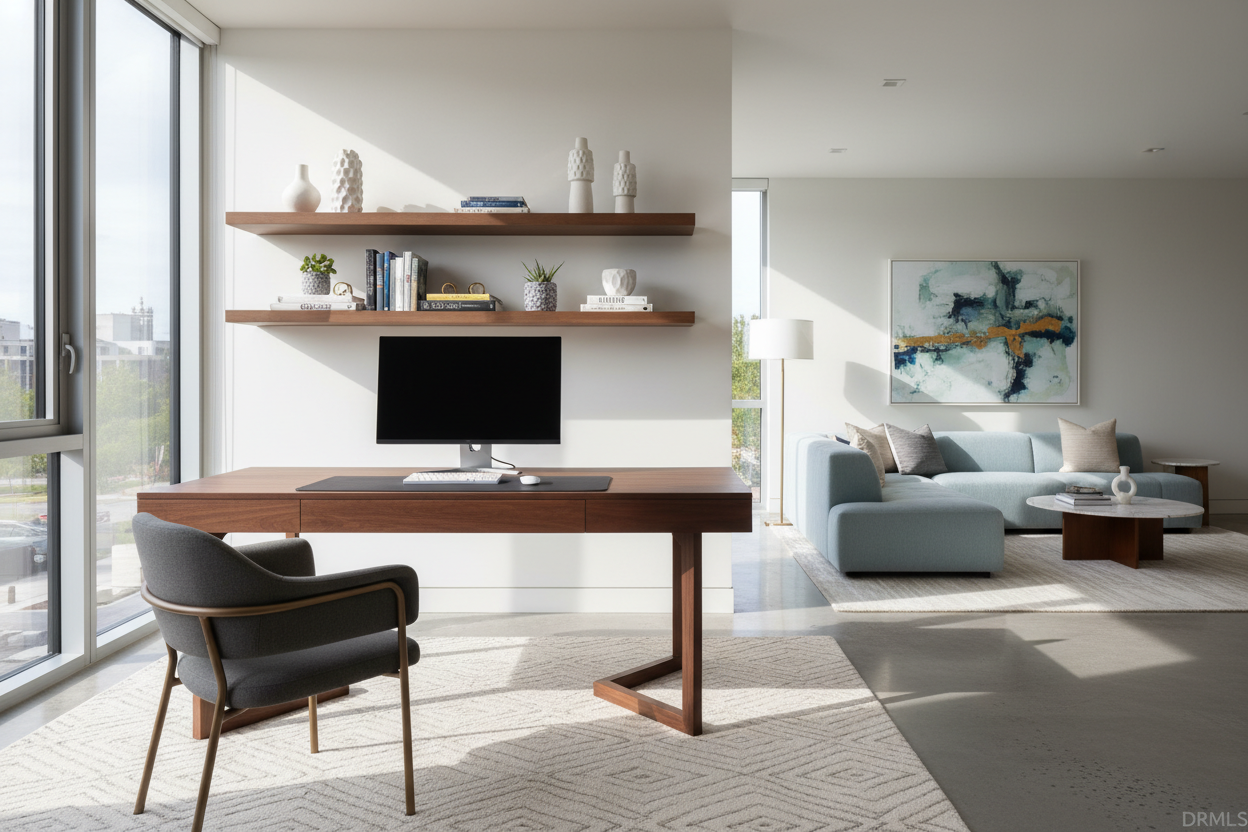
When exploring interior design styles for office spaces, the goal is cohesion with the rest of your home. If your house is heavily leaning into mid-century modern, a sudden shift to an ultra-industrial, pipe-and-reclaimed-wood office will feel jarring.
Layering Textures
A workspace can easily feel cold and sterile due to the inherent presence of monitors, keyboards, and task lights. To counteract this, introduce warmth through textiles. A vintage-inspired rug under the desk, linen drapery to soften the acoustics, and a leather or boucle guest chair can bridge the gap between a corporate cubicle and a residential sanctuary.
Function Meets Form
Many popular office interior design styles look fantastic on social media but fail miserably in practice. A minimalist glass desk might look incredibly chic, but it will show every single fingerprint, speck of dust, and tangled cord.
The Ergonomic Reality
Pay attention to desk height. Standard desks sit at about 29 to 30 inches high, which is actually too tall for many people unless they use a keyboard tray or adjust their chair height and add a footrest. Solid wood desks offer incredible longevity and can be refinished, while high-quality commercial laminates are highly resistant to coffee rings and scratches.
Designer's Honest Take
A few years ago, I designed a stunning 'dark academia' office for a client in a historic Boston home. We painted the walls a deep, moody forest green, installed floor-to-ceiling walnut bookshelves, and brought in a massive vintage leather partner's desk. It looked like a magazine cover.
Then the client had their first Zoom meeting. The dark walls absorbed all the natural light, and the warm vintage brass lamps cast terrible shadows across their face. I learned the hard way that moody aesthetics and modern video conferencing are natural enemies. We had to retrofit the space with hidden, high-lumen LED wash lights and a large ring light just to make the room functional. Always test your lighting plan before finalizing a dark color palette.
Frequently Asked Questions
How do I mix different office styles without it looking messy?
Stick to a tight color palette of three main colors. You can mix a modern standing desk with a vintage Persian rug and a mid-century chair, as long as the wood tones and metal finishes share a common undertone.
What is the best office style for a small apartment?
Scandinavian minimalism works exceptionally well in tight quarters. Focus on light woods, white or soft gray finishes, and desks with slim profiles and hidden cable management to reduce visual clutter.
How long should a good quality desk last?
A solid hardwood desk should last a lifetime and can be sanded and refinished. High-end engineered wood with a thick veneer will typically give you 10 to 15 years of heavy daily use before showing significant wear along the edges.

Dejar un comentario
Este sitio está protegido por hCaptcha y se aplican la Política de privacidad de hCaptcha y los Términos del servicio.