










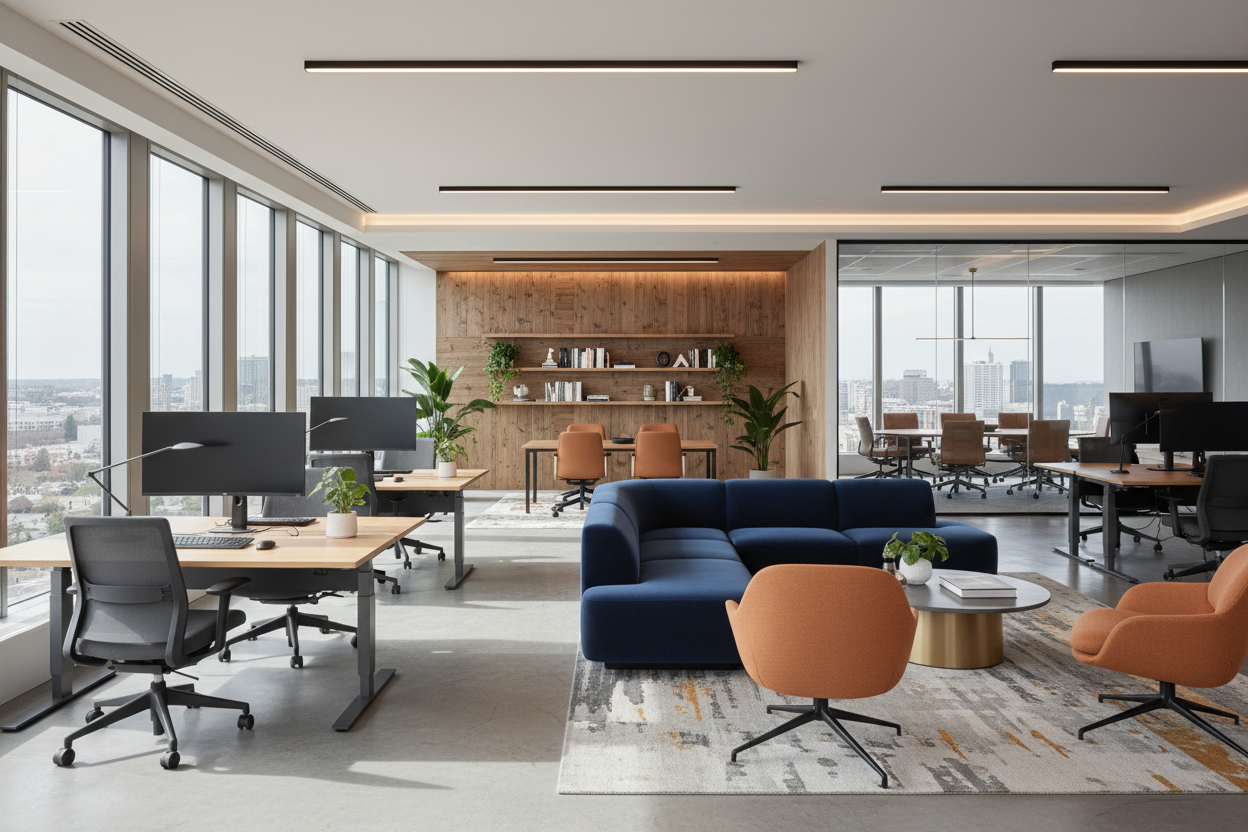
Walking into a workspace should feel like stepping into a mindset of clarity, not clutter. Whether you are carving out a dedicated corner in your home or overhauling a corporate floor, the struggle is often the same: balancing strict functionality with an inspiring aesthetic. The true concept of office design goes far beyond placing a desk against a wall; it is about orchestrating a spatial narrative that facilitates deep work while reflecting your personal or brand identity.
Quick Decision Guide: The Core Pillars
Before selecting a single piece of furniture, define your project by these four critical pillars. This checklist ensures your design remains grounded in reality.
- Spatial Zoning: Clearly separate 'deep focus' areas from 'collaborative' or 'lounge' zones to maintain mental boundaries.
- Ergonomics First: Prioritize seating and desk heights that support the lumbar and wrist; style should never compromise posture.
- Lighting Layers: Combine ambient overhead lighting with warm task lighting to reduce eye strain and set the mood.
- Material Durability: Choose surfaces based on usage frequency—high-pressure laminates for heavy tasks, natural wood for executive statements.
Developing Your Interior Design Concept for Office Spaces
When clients approach me, they often have a Pinterest board full of disparate images. My job is to synthesize those into a cohesive narrative. An effective interior design concept for office environments must start with the 'Why'. Are you trying to encourage rapid collaboration, or is this a sanctuary for solitary, high-focus tasks?
The Psychology of Layout
The silhouette of your furniture dictates the flow of the room. In smaller spaces, I always recommend 'leggy' furniture—desks and chairs with exposed legs rather than solid blocks to the floor. This allows light to travel underneath, maintaining a sense of openness. For larger executive suites, grounding the space with a substantial, solid-wood desk creates a focal point of authority.
Materiality and Texture: A Tactile Approach
One of the most overlooked interior office design concepts is the tactile experience. We spend hours touching our desks and chairs, yet we rarely consider the texture.
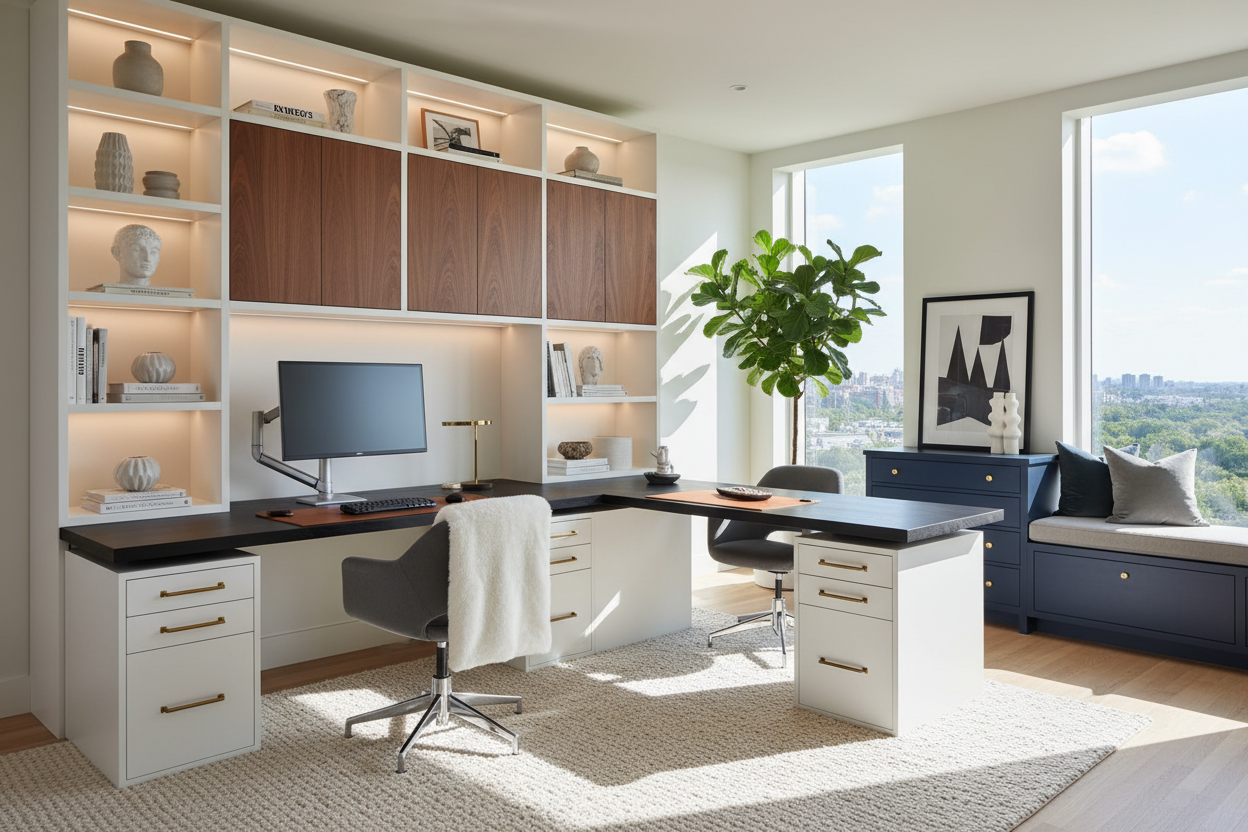
For a luxury look that withstands time, consider walnut or oak veneers. They offer the warmth of solid wood but with greater stability against humidity changes. However, be wary of glass desktops. While they look sleek and modern, they are cold to the touch and can create distracting reflections during video calls. A matte, soft-touch laminate or a leather desk blotter often provides a superior working surface.
Lighting: The Invisible Architecture
Lighting defines the volume of the room. A common mistake when developing a concept for office interiors is relying solely on recessed can lights (downlights). This creates harsh shadows on the face and fatigue for the eyes.
Instead, layer your lighting. Use a dimmable pendant for general ambiance and a precise, adjustable architectural lamp for task work. The color temperature matters immensely; aim for 3000K to 3500K. Anything cooler (4000K+) can feel sterile and clinical, while anything warmer (2700K) is too sleepy for productivity.
Lessons from My Own Projects
I want to share a specific realization from a project I completed last year. I was designing a home office for a tech consultant who wanted a 'minimalist, ultra-modern' look. We selected a stunning, high-gloss white lacquer desk and matching hard-shell chair. It looked incredible in photos.
However, three months later, he called me with a complaint I hadn't anticipated: acoustics and fingerprints. The hard surfaces bounced sound around the room, making his Zoom calls echo, and the high-gloss finish showed every single smudge and coffee ring, driving him crazy. We had to retrofit the space with a large wool rug and swap the desk surface for a matte Fenix material. The lesson? Never let the visual concept override the daily tactile reality. If you are a 'piler' (someone who has papers everywhere) or a heavy coffee drinker, high-maintenance finishes will turn your beautiful office into a source of stress.
Conclusion
Curating a workspace is an investment in your own efficiency and well-being. By focusing on ergonomic flow, layered lighting, and honest materials, you create an environment that doesn't just look good—it works as hard as you do. Take the time to plan your layout, and your office will pay you back in productivity.
Frequently Asked Questions
How do I apply these concepts to a very small room?
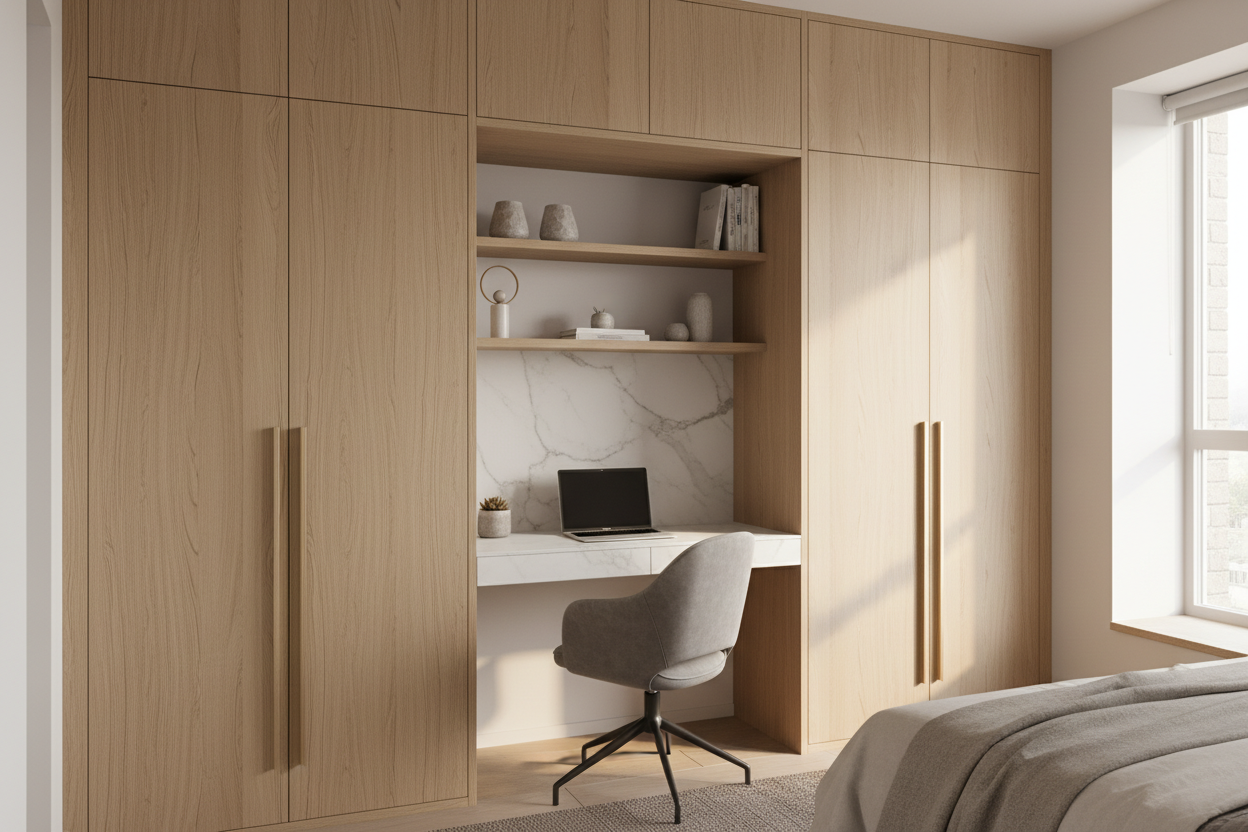
In small spaces, verticality is key. Use wall-mounted shelving to keep the floor clear. Choose a chair with a low back or a transparent mesh material to prevent the room from feeling crowded visually.
What is the best color palette for productivity?
While blue is traditionally cited for focus, I find that warm neutrals (greige, taupe) or soft greens (sage) are more effective for long-term comfort. High-contrast black and white looks sharp but can be visually exhausting over long periods.
Is custom joinery worth the investment over retail furniture?
If you have awkward alcoves or specific storage needs, custom joinery is unbeatable for maximizing space. However, for the desk and chair, high-quality retail ergonomic furniture is often safer because it has been tested for long-term body support.

Dejar un comentario
Este sitio está protegido por hCaptcha y se aplican la Política de privacidad de hCaptcha y los Términos del servicio.